EN
EN



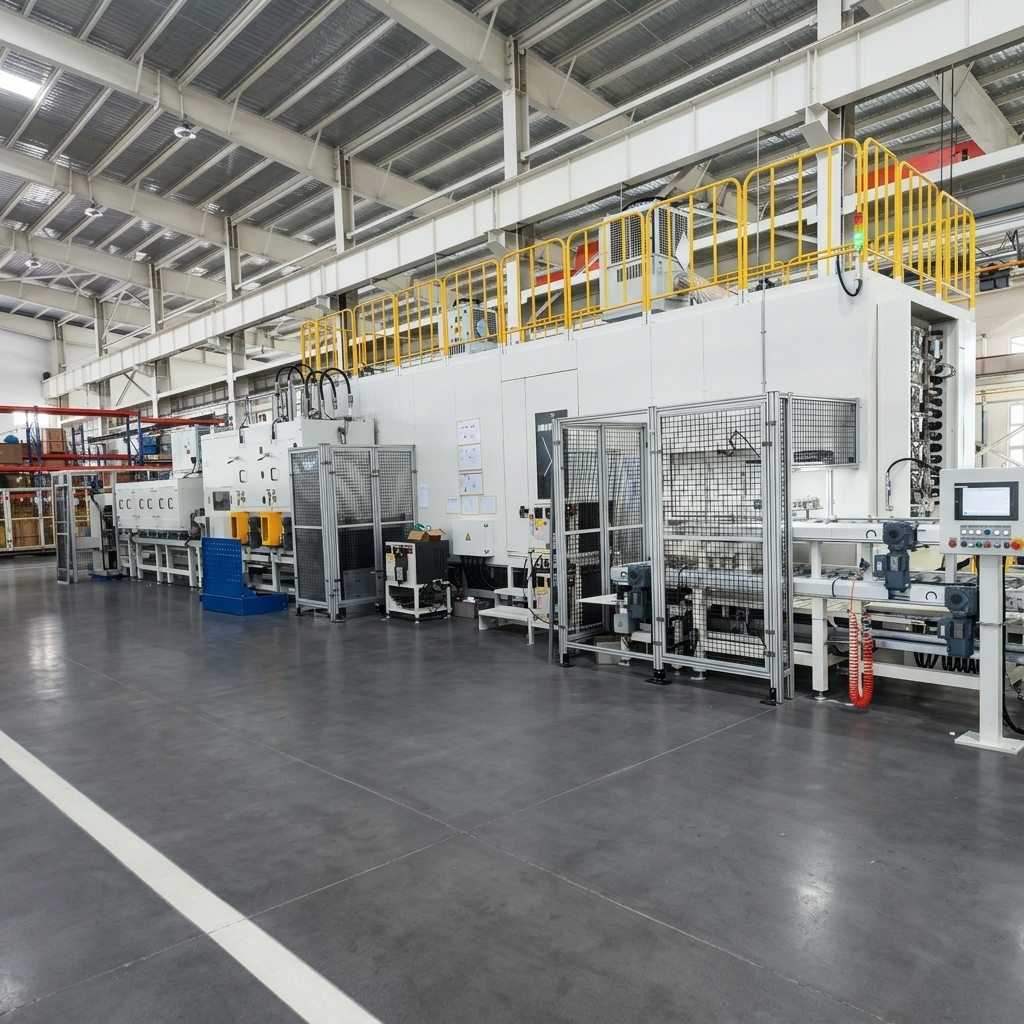
Sistema ng Robot na Panlinis na Pinagsama para sa Bahay ng Integrated E-Drive ng Bagong Sistemas ng Enerhiya para sa Pagmamanufaktura ng Electric Powertrain
Pasadyang turnkey na solusyon para sa isang pangunahing tagagawa ng bahagi ng powertrain ng bagong sistema ng enerhiya
Paggamit: Nakaintegrado ang Paglilinis ng E-Drive Housing / Dual-Motor Integrated Housing para sa Produksyon ng Electric Powertrain ng NEV
Workpiece: Maraming Variyante ng E-Drive Housing (Aluminum Alloy)
Proseso ng Paglilinis: Paglilinis sa Turbulent (1.5 MPa) + Paglilinis sa Mataas na Presyo Gamit ang Rotary (40 MPa) + Paglilinis Gamit ang Ultrasonic (2 Estasyon) + Paglilinis sa Mataas na Presyo sa Tiyak na Punto (40 MPa) + Pagpapaligo sa Pamamagitan ng Spray (2 Yugto) + Pagpapahangin (2 Yugto) + Pagpapatuyo sa Vacuum + Pagpapalamig
Presyon ng paglilinis: 40 MPa (Mataas na Presyo) / 1.5 MPa (Turbulent) — maaaring i-customize
Paglilinis Gamit ang Ultrasonic: dalawang Estasyon ng Paglilinis Gamit ang Ultrasonic — maaaring i-customize
Temperatura ng Paglilinis: 35–45°C (Electric Heating) — maaaring i-customize
Oras ng siklo: ≤ 60 segundo bawat piraso (mga napiling variant hanggang 80s) — maaaring i-customize ayon sa mga pangangailangan ng production line
Kinakailangan sa Kagalinisan: Kabuuang Residual Contamination ≤ 7.2 mg / ≤ 9.3 mg (bawat variant); Particle Size Distribution Mahigpit na Kinokontrol; DIN 8296 Surface Tension ≥ 32–36 mN/m — maaaring i-customize ayon sa mga pangangailangan ng customer
Teknolohiya sa Pagpapahangin: Fixed-Point Blow-Drying + Vacuum Drying + Paglamig sa 20±3°C
Sistemang Pagsisiyasat: Multi-Stage Filtration (50 μm / 20 μm / 10 μm) na may Automatic Oil Separation — maaaring i-customize
Robot Configuration: 6-Axis Robots (3 piraso) na may Automatic Tool Change + Saksak Library (4 saksak bawat robot) — maaaring i-customize
Paglo-load/Pag-unload: Awtomatikong Paglo-load at Pag-unload
PAGLALARAWAN
Integrated na Sistema ng Robot na Panlinis ng E-Drive Housing para sa Bagong Enerhiyang Sasakyan
Ang Industrial na Integrated na Sistema ng Robot na Panlinis ng E-Drive Housing ng The Big Bird ay binuo para sa panlinis matapos ang pagmamakinis ng mga aluminum housing na ginagamit sa pagmamanupaktura ng electric powertrain ng bagong enerhiyang sasakyan. Ang sistema ay nag-aalis ng mga natitirang materyales mula sa pagmamakinis at paghuhugis bago ang huling pagkakabit, at sumusuporta sa produksyon ng iba’t ibang modelo gamit ang awtomatikong pagbabago ng kagamitan para sa iba’t ibang uri ng workpiece.
Ang kagamitan ay ibinibigay bilang isang turnkey na solusyon na kasama ang disenyo, paggawa, instalasyon, at pagsisimula.
Mga Aplikasyon ng Workpiece
Ang sistema ay nakakatanggap ng maraming uri ng integrated na e-drive housing para sa mga aplikasyon ng bagong enerhiyang sasakyan:
| KATEGORIYA | Materyales | Karaniwang Kinakailangan sa Kagalinan |
|---|---|---|
| Motor End Cover / Reduction Gear Housing | ADC12 (Aluminum) | Kabuuang natitirang dumi ≤ 7.2–9.3 mg / Mga partikulo < 0.6 mm |
| Inverter Housing / Front & Rear Covers | SiAl12Fe (Aluminum) | Mahigpit na kontrol sa distribusyon ng laki ng particle |
| Mga sasakyang panghimpapawid | ADC12 (Aluminum) | Kabuuang residuo ≤ 7–9 mg / Pinakamalaking particle 0.5 mm |
Ang lahat ng workpiece ay aluminum housings para sa mga aplikasyon ng electric powertrain ng bagong enerhiyang sasakyan. Dinisenyo ang sistema na may kakayahang automatic tool change, na umaangkop sa maraming variant ng workpiece sa pamamagitan ng isang fixture library system.
Automatic Tool Change at Mixed-Model na Produksyon
Suportado ng sistema ang ganap na awtomatikong mixed-model na produksyon na may:
QR code recognition
Ang COGNEX QR code scanning system ay awtomatikong nagbabasa ng pagkakakilanlan ng workpiece sa pag-load. Pinipili ng sistema ang angkop na programa sa paglilinis batay sa impormasyon ng QR code.
Sistemang pagsusuri ng paningin
Ang COGNEX vision system ay nakikilala ang uri at oryentasyon ng workpiece, na nagbibigay gabay sa robot para sa eksaktong paghawak at paghawak.
Automatic Tool Change
Bawat robot ay mayroong awtomatikong palitan ng kagamitan (Stäubli) at isang imbakan ng mga kagamitan na kayang mag-imbak ng 4 na hanay ng mga kagamitan. Ang sistema ay awtomatikong nagpapalit ng mga kagamitan batay sa pagkakakilanlan ng workpiece, na nagpapahintulot sa tuloy-tuloy na produksyon ng iba't ibang modelo nang walang manu-manong pakikisalamuha.
Kombinasyon ng Tatlong Robot
Ginagamit ng sistema ang tatlong robot na FANUC na may pinagsamang daloy ng gawain:
Robot 1: Mabilis na paglilinis + Paglilinis gamit ang mataas na presyon na may pag-ikot
Robot 2: Pagpapasa ng paglilinis gamit ang ultrasonic + Paglilinis gamit ang mataas na presyon sa tiyak na posisyon
Robot 3: Pangunahing paghuhugas + Pangalawang paghuhugas + Pagpapahangin
Maramihang Yugto ng Proseso ng Paglilinis
Ang sistema ay pinauunlad gamit ang maraming teknolohiya sa paglilinis sa loob ng awtomatikong 11-hakbang na proseso:
Hakbang 1: Paglo-load
Ang overhead gantry robot mula sa awtomatikong linya ang kusang-lo-load ng workpiece sa loading pallet ng sistema ng paglilinis. Ang conveyor system ang kusang-dadala ng workpiece at pallet papunta sa posisyon kung saan kukunin ito ng robot.
Ang mga katangian ng loading station ay:
Kusang-scan ng QR code para sa pagkilala sa workpiece (COGNEX)
Vision system para sa pagkilala sa uri at oryentasyon ng workpiece (COGNEX)
Mga pindutan para sa pag-start gamit ang dalawang kamay, emergency stop, at safety light curtains
Kusang-air blow-off ng mga walang laman na pallet locating seats matapos kunin ng robot
Kasama ang parehong manual at awtomatikong mode ng paglo-load
Mga lifting roller conveyor sa magkabilang dulo para sa awtomatikong sirkulasyon ng pallet
Hakbang 2: Turbulent & Fixed-Point Cleaning (1.5 MPa)
Hawakan ng Robot 1 ang workpiece at ililipat ito sa turbulent cleaning tank na puno na ng cleaning fluid. Ang robot ay nagbabago ng orientation ng workpiece nang may kakayahang umangkop habang pinapadirekta ng mga nozzle ang turbulent flow upang linisin ang lahat ng surfaces.
Sa panahon ng turbulent cleaning, ang hawakan ng robot ay nag-eengage ng water jacket hole plugs upang pigilan ang pagpasok ng aluminum chips sa water jacket cavity habang naglilinis.
Matapos ang turbulent cleaning, bubuksan ang drain valve para sa mabilis na pag-alis ng tubig. Inilalagay ng robot ang workpiece sa mga fixed nozzle boxes na ayon sa pattern ng mga butas ng workpiece. Binabago ng robot ang orientation ng workpiece upang i-align ang bawat surface sa kaukulang nozzle panels, tinitiyak na lahat ng butas ay natatargetang nililinis.
Matapos ang paglilinis, ililipat ng robot ang workpiece sa susunod na station na may tilt-drainage habang inililipat. Patuloy na nagpupuno ang cleaning pump sa turbulent tank upang handa na para sa susunod na workpiece.
Stage 3: Rotary High-Pressure Cleaning (40 MPa)
Ang Robot 1 ay nagpapasa ng workpiece sa estasyon ng rotary na mataas na presyon na paglilinis. Ang mga rotating na mataas na presyon na nozzle ay nagpapadala ng lakas na paglilinis na 40 MPa sa mga target na bahagi ng workpiece. Pagkatapos ng paglilinis, ang robot ay nagpapasa ng workpiece sa susunod na estasyon kasama ang tilt-drainage habang nagpapasa.
Yugto 4: Ultrasonic Cleaning
Ang Robot 1 ay nagpapasa ng workpiece sa pallet ng pagpo-posisyon ng estasyon ng ultrasonic cleaning. Ang takip ng ultrasonic tank ay isinasara nang awtomatiko habang nagpapalinis. Ang estasyong ito ay may dalawang posisyon, na nagpapahintulot sa bawat workpiece na dumadaan sa dalawang siklo ng ultrasonic cleaning.
Pagkatapos ng ultrasonic cleaning, ang Robot 2 ay humahawak ng workpiece mula sa pallet ng pagpo-posisyon at nagpapasa nito sa susunod na estasyon. Para sa model changeover, ang pallet ng pagpo-posisyon ay pinalalitan nang manu-manu gamit ang isang simple at magaan na disenyo na may hard error-proofing.
Yugto 5: Fixed-Point High-Pressure Cleaning (40 MPa)
Ang Robot 2 ay nagpapasa ng workpiece sa istasyon ng mataas na presyur na paglilinis sa isang tiyak na posisyon. Ang mga linyar na nozzle na nakafix sa isang tiyak na posisyon ay nagpapadala ng lakas na paglilinis na 40 MPa sa mga target na lugar. Pagkatapos ng paglilinis, ang robot ay nagpapasa ng workpiece sa susunod na istasyon habang nangyayari ang tilt-drainage. Isang maikling pagsabog ng hangin ang nag-aalis ng sobrang likido ng paglilinis bago pumasok ang workpiece sa susunod na istasyon.
Hakbang 6: Pangunahing Spray Rinsing
Inilalagay ng Robot 2 ang workpiece sa positioning pallet sa istasyong ito at umuurong. Ang pintuan ng istasyon ay isinara, at ang nozzle box ay bumaba upang gawin ang spray rinsing sa workpiece. Ang mga espesyal na nozzle ay nagbibigay ng water jacket plug rinsing para sa mga tiyak na housing.
Pagkatapos ng rinsing, ang nozzle box ay bumabalik sa orihinal nitong posisyon, bukas ang pintuan ng istasyon, at ang Robot 3 ay kinukuha ang workpiece at ipinapasa sa susunod na istasyon. Para sa model changeover, ang positioning pallet ay pinalalitan nang manu-manong gamit ang isang simple at magaan na disenyo na may hard error-proofing.
Hakbang 7: Pangalawang Spray Rinsing
Ang Robot 3 ay kumukuha ng workpiece at isinasagawa ang pangalawang paghuhugas gamit ang spray. Ang mga espesyal na nozzle ay nagbibigay ng paghuhugas sa water jacket plug para sa ilang partikular na housing (direksyon ng paglilinis ay kabaligtaran ng Stage 6). Pagkatapos ng paghuhugas, inililipat ng Robot 3 ang workpiece sa susunod na estasyon.
Stage 8: Blow-Drying sa Nakatakda na Punto
Ginagawa ng Robot 3 ang tilt-drainage habang inililipat ang workpiece, pagkatapos ay inilalagay ang workpiece sa mga nakatakda na nozzle box na inayos batay sa mga butas ng workpiece. Ang compressed air ay nagbibigay ng target na blow-drying sa lahat ng butas at pasada.
Ang mga espesyal na nozzle para sa water hole plug ay nagbibigay ng plug blow-drying para sa ilang partikular na housing, upang matiyak na lubos na mabubuhos ang tubig mula sa water jacket. Pagkatapos ng fixed-point blow-drying, ginagawa ng robot ang scanning blow-drying sa buong ibabaw ng workpiece. Pagkatapos ng pagpapahangin, inilalagay ng Robot 3 ang workpiece sa malinis at tuyo na positioning pallet sa outlet.
Stage 9: Pangalawang Blow-Drying
Ang workpiece at ang pallet ay dinala sa istasyong ito. Ang pinto ng istasyon ay isinara, at ang mga nozzle box ay gumagawa ng blow-drying sa parehong workpiece at pallet. Ang istasyong ito ay may awtomatikong programa para sa paglilinis/pagpapahangin ng mga pallet, kung saan ang mga linya para sa paglilinis at blow-drying ay maaaring awtomatikong i-switch.
Stage 10: Vacuum Drying
Ang workpiece ay dinala papasok sa vacuum chamber. Ang upper vacuum hood ay lumalabas gamit ang cylinder actuation, na sumasakop sa workpiece sa isang sealed chamber. Ang vacuum pump ay binabawasan ang presyon sa loob ng chamber, na tinatanggal ang natitirang kahalumhan mula sa mga panloob na cavity at blind holes.
Stage 11: Cooling & Unloading
Ang piraso ng gawa ay dinala papunta sa puntong pagkuha. Ang mga kipas na nagpapalamig ay binabawasan ang temperatura ng bahagi sa 20±3°C sa labasan. Ang labasan ay kayang magkasya ng hanggang apat na piraso ng gawa sa pila. Lahat ng conveyor sa labasan ay may takip na pangproteksyon upang maiwasan ang sekondaryang kontaminasyon. Ang mga conveyor na may roller na pumipigil sa pagtaas sa parehong dulo ay ibinabalik ang mga walang laman na pallet papuntang posisyon ng robot gamit ang conveyor sa mababang antas. Ang sistema ay nag-iimbak ng espasyo para sa hinaharap na pagdaragdag ng istasyon para sa paglilinis at pagpapatuyo ng pallet.
Technical Cleanliness Control
Sa paggawa ng elektrikong powertrain para sa mga sasakyang gumagamit ng bagong enerhiya, ang kalinisan ng mga panloob na daanan ng e-drive housing ay direktang nakaaapekto sa pagganap at katiyakan ng mga yunit ng elektrikong drive.
Ang sistema ay idinisenyo upang tumugon sa mahigpit na mga kinakailangan sa kalinisan para sa bawat uri ng workpiece:
| Lugar ng kinakailangan | Karaniwang Spesipikasyon |
|---|---|
| Kabuuang Natitirang Kontaminasyon | ≤ 7.2 mg / ≤ 9.3 mg (bawat bersyon) |
| Pinakamalaking Sukat ng Partikulo | < 0.6 mm |
| Distribusyon ng laki ng partikula | Mahigpit na kontrol ay isinasagawa batay sa tukoy na teknikal na kahilingan ng bawat bersyon |
| Surface Tension (DIN 8296) | > 32–36 mN/m (mga ibabaw na pinagpipino) |
| Visual inspection (pagtingin sa paningin) | Walang nakikitang mga chip o residuwal na materyales sa loob ng mga kuweba |
Ang kalidad ng pagpapatuyo ay sinusuri sa pamamagitan ng pagwiping sa ibabaw ng piraso ng gawa gamit ang filter paper — walang nakikitang bakas ng kahalumigmigan, at walang mistulang tubig kapag iniluluwa ang hangin sa lahat ng uri ng butas.
Advanced na Pamamahala sa Pag-filter
Ginagamit ng sistema ang isang multi-stage filtration system:
| Uri ng filter | Kapasidad | Katumpakan | Aplikasyon |
|---|---|---|---|
| Ang Drum Filter | 1,500 L/min | 50 μm | Pangunahing pag-filter ng paglilinis na may awtomatikong pagbabalik-pag-filter at karton para sa mga chip |
| Filter ng bag | 400 l/min | 20 μm | Pangalawang pag-filter ng paglilinis (3 aktibo + 1 nasa standby) na may alarm para sa pagkablock |
| Ang Drum Filter | 300 L/min | 40 mesh | Pangunahing pag-filter ng paghuhugas na may switch para sa antas ng likido at alarm para sa pagkablock |
| Filter ng bag | 400 l/min | 10 μm | Pangalawang pag-filter ng paghuhugas (1 aktibo + 1 nasa standby) na may alarm para sa pagkablock |
Lahat ng filter ay may pre-alarm at alarm para sa pagkablock. Ang oil skimmer na may uri ng float at ang oil skimmer na may uri ng belt ay nag-aalis ng nakauupong langis mula sa likidong panglilinis upang palawigin ang buhay ng likido.
Sistema ng robot
Ginagamit ng sistema ang tatlong robot na FANUC:
| Robot | Aplikasyon | Modelo | Payload | Proteksyon |
|---|---|---|---|---|
| Robot 1 | Turbulent cleaning / Rotary HP cleaning | R-2000iC/210WE | 210 kg | IP67 |
| Robot 2 | Pagpapasa ng ultrasonic / Paglilinis sa nakatakda na punto (HP) | R-2000iC/210WE | 210 kg | IP67 |
| Robot 3 | Unang paghuhugas / Pangalawang paghuhugas / Pagpapahangin | R-2000iC/210WE | 210 kg | IP67 |
Ang lahat ng robot ay ganap na waterproof na may proteksyon na IP67, gawa sa anti-rust na materyales, at may sealed sensors. Ang bawat robot ay may automatic tool changer (Stäubli) at access sa fixture library na may apat na set ng fixture. Ang ulit-ulit na positioning accuracy ay ≤ ±0.2 mm. Ang mga clamping surface at locating pins ng fixture ay hindi gumagamit ng machined surfaces (maliban sa process surfaces at mga butas).
Intelligent Manufacturing Integration
Ang sistema ay sumusuporta sa mga kinakailangan ng Industry 4.0 sa pamamagitan ng komprehensibong data connectivity:
Komunikasyon ng MES
PLC na may MES network interface module
Suporta sa Komunikasyon sa pamamagitan ng Ethernet
Pagsusunod sa workpiece gamit ang QR code
Pagkuha ng data sa produksyon
Interface ng Operator
Mitsubishi touch screen HMI
Real-time na display ng kalagayan ng kagamitan kasama ang graphic visualization
Display at adjustment ng mga parameter sa paglilinis
Narinig at nakikitang alarm kasama ang imbakan ng higit sa 500 na alarm history (oras, address, dahilan, solusyon)
Mga awtomatik at manu-manong mode ng operasyon na may proteksyon na interlock
Mga matalinong tampok
Katawanin ang awtomatik na pagpapalit ng tubig tuwing weekend upang maiwasan ang pagbaba ng kalidad ng likido
Kakayahang mag-diagnose nang pambihira
Backup ng data at interface para sa koneksyon sa network
Kaso ng Application
| Parameter | Espesipikasyon |
|---|---|
| Proyekto | Pangunahing Tagagawa ng Komponente ng Powertrain ng NEV — Integrated E-Drive Housing Robotic Cleaning System |
| Mga bahagi ng gawa | Maraming Variants ng E-Drive Housing para sa Electric Powertrain (9 na variants) |
| Panahon ng siklo | ≤ 60 segundo bawat piraso (para sa ilang variants, hanggang 80 segundo) |
| Mga Teknolohiya sa Paglilinis | Turbulent 1.5 MPa + Rotary HP 40 MPa + Ultrasonic (2 na estasyon) + Fixed-Point HP 40 MPa + Pagpapalinis (2 yugto) + Pagpapahangin (2 yugto) + Vacuum Drying |
| Temperatura ng Paglilinis | 35–45°C |
| Paraan ng pagdiddiyos | Pagpapahangin + Vacuum Drying + Pagpapalamig |
| Kinalabasan ng Paglamig | 20±3°C |
| Mga robot | FANUC R-2000iC/210WE (3 pcs, IP67) na may awtomatikong pagbabago ng tool |
| libreriya ng mga Klipe | 4 na klipe bawat robot |
| Sistema ng kontrol | Mitsubishi PLC |
| Katiyakan ng Pag-filter | 50 μm / 20 μm / 10 μm |
Kumpletong Solusyon sa Paglilinis
Ang Big Bird Industrial ay nagbibigay ng komprehensibong engineering solutions na kinabibilangan ng:
Pag-unlad ng Proseso
Pagsusuri sa Bahagi
Disenyo ng proseso ng paglilinis
Pagtataya sa kinakailangan sa kalinisan
Pagsasama ng Kagamitan
Mga sistema ng koordinadong paglilinis ng maraming robot
Teknolohiyang paglilinis ng mataas na presyon (40 MPa)
Mga sistema ng ultrasonic na paglilinis (2 na estasyon)
Teknolohiya ng vacuum drying
Mga awtomatikong sistema ng pagpapalit ng kagamitan na may libreriya ng mga klipe
Pamamahala ng maramihang yugto ng pag-filter
Mga Conveyor at Material Handling System
Koneksyon sa Smart Manufacturing
Interface ng MES
QR code na traceability
Pagkuha ng data sa produksyon
Bakit Pipiliin ang Big Bird Industrial
Karanasan sa Komponente ng New Energy Vehicle
Ang Big Bird Industrial ay espesyalista sa mga solusyon para sa presisyon na paglilinis ng mga komponente ng automotive powertrain, na may nakapatunayang karanasan sa paglilinis ng e-drive housing ng mga new energy vehicle para sa maraming aplikasyon ng electric powertrain sa kabuuan ng 9 variant ng workpiece.
Teknolohiyang Multi-Robot para sa Paglilinis
Ginagamit ng sistema ang tatlong naka-coordinate na FANUC robots na may automatic tool change capability at fixture storage, na nagbibigay-daan sa epektibong paglilinis ng mga kumplikadong e-drive housing geometries gamit ang maraming cleaning technologies sa isang production sequence.
Pinagsamang Teknolohiyang Paglilinis
Pinagsasama ng sistema ang turbulent cleaning (1.5 MPa), rotary high-pressure cleaning (40 MPa), dalawang istasyong ultrasonic cleaning, fixed-point high-pressure cleaning (40 MPa), dalawang yugtong spray rinsing, dalawang yugtong blow-drying, at vacuum drying para sa komprehensibong pag-alis ng mga contaminant.
Kakayahan sa System-Level Engineering
Nagbibigay ang kumpanya ng kumpletong solusyon mula sa pag-unlad ng proseso ng paglilinis hanggang sa integrasyon sa produksyon, kabilang ang multi-robot coordination, high-pressure cleaning, ultrasonic cleaning, vacuum drying, at mga sistema ng awtomatikong pagpapalit ng tool.
Pasadyang Hindi Pamantayang Inhinyeriya
Bawat bahagi at linya ng produksyon ay may natatanging mga pangangailangan. Ang Big Bird Industrial ay nagbibigay ng pasadyang inhinyeriyang solusyon batay sa:
Pagsusuri ng istruktura at materyal ng bahagi
Pagbuo ng Proseso ng Paglilinis
Customized fixture at automation design
Configuration ng sistema ng awtomatikong pagpapalit ng tool
Integrasyon ng layout ng pabrika at daloy ng produksyon
Ang kakayahan ng kumpanya sa hindi pamantayang inhinyeriya ay nagpapahintulot na bawat sistema ng paglilinis ay ipasadya batay sa tiyak na hugis ng komponente, mga kinakailangan sa cycle time, mga pamantayan sa kalinisan, at antas ng awtomasyon.
Suporta sa Pagmamanupaktura ng Electric Powertrain
Sa mabilis na paglago ng mga bagong sasakyang pang-enerhiya, ang Big Bird Industrial ay nagbibigay ng mga espesyalisadong solusyon sa paglilinis para sa mga bahagi ng electric powertrain, na sumusuporta sa mga tagagawa sa transisyon patungo sa elektrikong produksyon.
Mga Katanungan at Sagot
Anong mga bahagi ang napaproseso ng sistemang ito sa paglilinis?
Idinisenyo ang sistemang ito para sa mga integrated e-drive housings at mga bahagi ng electric powertrain na ginagamit sa paggawa ng mga bagong sasakyang pang-enerhiya, kabilang ang motor end covers, reduction gear housings, inverter housings, front/rear covers, at motor housings.
Ano ang mga teknolohiyang pang-linis na isinama?
Isinasama ng sistemang ito ang turbulent cleaning (1.5 MPa), rotary high-pressure cleaning (40 MPa), dalawang-himpilan na ultrasonic cleaning, fixed-point high-pressure cleaning (40 MPa), dalawang-yugtang spray rinsing, dalawang-yugtang blow-drying, vacuum drying, at cooling.
Paano hinahandle ng sistemang ito ang maraming variant ng workpiece?
Ang sistema ay may awtomatikong pagkilala sa QR code, paningin na inspeksyon para sa oryentasyon, at awtomatikong pagbabago ng kagamitan na may kumpol ng mga kagamitan para sa bawat robot (4 na kagamitan bawat robot), na nagpapahintulot sa tuloy-tuloy na produksyon ng halo-halong modelo sa 9 na uri ng bahagi.
Anong mga kontaminante ang maaaring tanggalin?
Itinatanggal nito ang mga metal na chip, mga residuwal na gawa sa pagsasahay, mga particle mula sa pagmamakinis, at kontaminasyon mula sa likido sa pagputol mula sa mga kumplikadong panloob na daanan, mga water jacket, at panlabas na ibabaw.
Anong mga antas ng kalinisan ang maaaring makamit?
Ang mga kinakailangan sa kalinisan ay nag-iiba depende sa espesipikasyon ng bahagi, karaniwang nasa hanay na 7.2 mg hanggang 9.3 mg na kabuuang residual na kontaminasyon kasama ang mahigpit na kontrol sa distribusyon ng laki ng particle at mga kinakailangan sa surface tension ayon sa DIN 8296 (≥ 32–36 mN/m).
Nakakapasadya ba ang sistema?
Oo. Lahat ng mga parameter—kabilang ang oras ng siklo, presyur ng paghuhugas, temperatura, antas ng awtomasyon, at konpigurasyon ng pag-filter—ay nakakapasadya batay sa mga pangangailangan ng produksyon ng customer.
Panlinis ng E-Drive Housing sa Pagmamanupaktura ng Bagong Enerhiyang Sasakyan
Panlinis ng E-Drive Housing sa Pagmamanupaktura ng Bagong Enerhiyang Sasakyan
Ang paglilinis ng integrated e-drive housing ay isang mahalagang proseso sa paggawa ng electric powertrain para sa mga bagong enerhiyang sasakyan. Ang mga kumplikadong aluminum housing na ito ay nagpapagsama ng maraming tungkulin—motor, inverter, at reducer—sa isang solong bahagi, kaya kailangan ng mga advanced na teknolohiya sa paglilinis upang alisin ang mga natitirang materyales mula sa pagmamakinis at mga kontaminante mula sa paghuhugis sa mga kumplikadong panloob na daanan, water jackets, at mga channel ng pagpapalamig. Ang kalinisan ng mga e-drive component ay direktang nakaaapekto sa pagganap, kahusayan, at katiyakan ng mga electric drive unit.
Mga Sistema ng Paglilinis na May Maraming Robot at Awtomatikong Pagbabago ng Kasangkapan
Ang pagmamanupaktura ng mga bahagi ng electric powertrain ay nangangailangan ng mga flexible at mataas na kahusayan na solusyon sa paglilinis na kakayahang humawak ng maraming uri ng workpiece. Ang mga sistema ng paglilinis na may maraming robot na may kakayahang awtomatikong palitan ang mga tool ay nagpapadali ng seamless na mixed-model na produksyon nang walang manu-manong pakikisalamuha. Ang pinag-koordinahan na mga workflow ng robot ay nag-o-optimize ng mga pagkakasunod-sunod ng paglilinis, na binabawasan ang cycle time habang tiyakin ang pare-parehong kalidad ng paglilinis sa lahat ng mga variant.
Ultrasonic at High-Pressure na Paglilinis para sa Mga Komplikadong Housing
Ang mga kumplikadong housing ng e-drive na may mga intrikadong heometriya sa loob ay nagdudulot ng natatanging hamon sa paglilinis. Ang paglilinis gamit ang ultrasonic ay nakakapasok sa mga kavidad sa loob at mga butas na bulag na hindi kayang abutin ng karaniwang paglilinis gamit ang spray, samantalang ang mataas na presyong paglilinis (40 MPa) ay epektibong nag-aalis ng matitigas na residue mula sa mga panlabas na ibabaw at mga daanan ng langis. Ang dalawang estasyon na ultrasonic cleaning ay nagpapahintulot ng mas mahabang siklo ng paglilinis nang hindi nakakaapekto sa kabuuang bilis ng produksyon.
Filtration at Pamamahala ng Fluid sa Paglilinis ng E-Drive Housing
Ang epektibong filtration at pamamahala ng fluid ay mahalaga upang mapanatili ang pare-parehong kalidad ng paglilinis sa paglilinis ng e-drive housing. Ang multi-stage filtration configurations na may drum filters (50 μm), bag filters (20 μm / 10 μm), at oil separation ay nagpapahintulot ng tuloy-tuloy na operasyon kasama ang awtomatikong alerto para sa pagbabago ng filter. Ang katumpakan ng filtration hanggang 10 μm ay nagpapanatili ng kalidad ng cleaning fluid, binabawasan ang panganib ng muling kontaminasyon, at pinahihaba ang buhay ng fluid.
Mga Teknikal na Tiyak
| Espesipikasyon | PAGLALARAWAN |
|---|---|
| Uri ng Produkto | Integrated E-Drive Housing Robotic Cleaning System |
| Aplikasyon | Kagamitan sa Kagamitan ng Kagamitan ng Electric Powertrain ng NEV |
| Mga bahagi ng gawa | Maraming Variants ng E-Drive Housing para sa Electric Powertrain (9 na variants) |
| Cleaning technology | Turbulent (1.5 MPa) + Rotary HP (40 MPa) + Ultrasonic (2 na istasyon) + Fixed-Point HP (40 MPa) + Spray Rinsing (2 na yugto) + Blow-Drying (2 na yugto) + Vacuum Drying |
| Temperatura ng Paglilinis | 35–45°C (Electric Heating) |
| Teknolohiya ng Pagpapaulan | Pagpapahangin + Vacuum Drying + Pagpapalamig |
| Kinalabasan ng Paglamig | 20±3°C |
| Panahon ng siklo | ≤ 60 segundo bawat piraso (pumili ng mga variant hanggang 80 segundo) — nababago |
| Robot model | FANUC R-2000iC/210WE (3 piraso) |
| Proteksyon sa Robot | IP67 (Lubos na Waterproof) |
| Robot Repetitive Accuracy | ≤ ±0.2 mm |
| Automatic Tool Change | Stäubli (1 mother disk bawat robot) |
| libreriya ng mga Klipe | 4 na set ng clamp bawat robot (12 na clamp kabuuan) |
| Sistema ng kontrol | Mitsubishi PLC |
| HMI | Mitsubishi Touch Screen |
| Protokolo ng Komunikasyon | Ethernet, MES na Interfase |
| Sistema ng pag-filtrasyon | Maramihang Yugto: Drum (50 μm) + Bag (20 μm / 10 μm) |
| Panghihiwalay ng Langis | Float-Type Skimmer + Belt-Type Skimmer |
| Paglo-load/pag-unload | Awtomatiko |
| Power Supply | AC 380V 50Hz Three-Phase |
| Ang antas ng ingay | ≤ 80 dB (sa ilalim ng karga) |
| Mga pamantayan sa kaligtasan | GB/T 15706, IEC 62061, GB 5226.1 |