EN
EN



BERITA
Bagaimana Inovasi Teknologi Otomotif Mempengaruhi Desain Komponen?
Teknologi Meningkatkan Ketepatan dalam Desain Komponen Otomotif
Dampak kemajuan teknologi di sektor otomotif sedang menetapkan tolok ukur industri baru, khususnya dalam desain komponen otomotif. Mesin otomotif yang semakin canggih secara teknologi, dikombinasikan dengan munculnya kendaraan ramah lingkungan dan hemat bahan bakar, telah menetapkan standar baru dalam desain komponen industri. Teknologi otomotif terkini—seperti sistem penggerak listrik (EV) dan sistem bantuan pengemudi canggih (ADAS)—mendorong para perancang komponen industri untuk berinovasi dalam menciptakan komponen otomotif yang beroperasi pada kinerja dan keselamatan optimal hingga tingkat mikron.
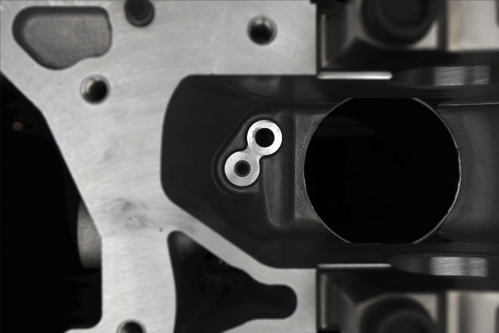
Pertimbangkan komponen-komponen mesin, misalnya. Kemajuan teknologi tenaga hibrida dan pengembangan sistem pembakaran yang efisien menciptakan kebutuhan akan rekayasa struktur yang membentuk blok silinder dan perakitan kepala silinder dengan tingkat presisi yang bahkan lebih tinggi. Rekayasa presisi meliputi akurasi dimensi, hasil permukaan yang lebih konsisten, serta integritas struktural yang ditingkatkan. Komponen dengan penyimpangan sekecil apa pun dapat menimbulkan masalah serius pada mesin, termasuk penurunan efisiensi mesin dan peningkatan emisi. Meningkatnya kebutuhan akan sistem baterai dan tenaga listrik telah meningkatkan standar rekayasa komponen agar mampu beroperasi secara stabil dalam jangka waktu yang lama.
Teknologi Deteksi Cerdas Terintegrasi Membentuk Iterasi Desain
Integrasi bertahap teknologi inspeksi visi cerdas saling terkait erat dengan inovasi dalam aplikasi otomotif serta desain komponen-komponen otomotif. Kemampuan untuk menilai dan mendeteksi cacat secara akurat secara real-time meningkatkan kemampuan para perancang dalam mengoptimalkan komponen. Sistem inspeksi canggih mampu mendeteksi kecacatan yang sebelumnya tak terlihat pada tingkat mikron, serta memungkinkan para perancang menyesuaikan dan mengoptimalkan struktur serta bahan komponen.
Contoh sempurna dapat dilihat pada jaminan kualitas dalam produksi komponen. Sistem pengukuran visi stereoskop multi-sudut pandang telah menunjukkan kemajuan signifikan dalam proses jaminan kualitas produksi. Dengan tingkat keberhasilan sebesar 99,8% dalam deteksi cacat, para perancang mampu memperoleh umpan balik presisi secara waktu nyata mengenai kinerja komponen di bawah berbagai kondisi simulasi. Umpan balik mengenai kinerja komponen di bawah berbagai kondisi simulasi ini. Proses perancangan iteratif semacam ini merupakan salah satu alat yang tersedia secara luas dan penting dalam deteksi cerdas pada tahap perancangan komponen. Alat ini mewujudkan integrasi tanpa hambatan antara inovasi teknologi dan penerapan praktis dalam deteksi cerdas.
Teknologi otomotif canggih memerlukan inovasi bahan-bahan baru untuk desain komponen. Produsen mobil ingin mengganti bahan-bahan konvensional dengan alternatif yang lebih canggih—yakni bahan yang ringan, tahan lama, dan berkelanjutan. Bahan-bahan baru kini menggantikan bahan-bahan tradisional karena sejumlah alasan, antara lain kebutuhan untuk meningkatkan efisiensi bahan bakar, memperpanjang jarak tempuh kendaraan listrik (EV), serta meningkatkan keselamatan secara keseluruhan.
Terdapat peningkatan preferensi terhadap paduan aluminium berkekuatan tinggi dan komposit serat karbon dalam desain komponen kendaraan. Bahan-bahan ringan semacam ini membantu mengurangi berat total kendaraan sekaligus memberikan kekakuan yang diperlukan baik untuk kendaraan konvensional maupun kendaraan listrik (EV). Selain manfaat-manfaat tersebut, bahan-bahan baru yang tahan korosi juga berkontribusi dalam memperpanjang masa pakai komponen. Pertimbangan dalam pemilihan bahan tidak terbatas pada biaya dan ketersediaan saja. Para perancang juga mempertimbangkan kinerja lingkungan, kondisi ekstrem, serta proses manufaktur yang berkelanjutan untuk bahan-bahan baru.
Kolaborasi Desain dan Sinergi di Seluruh Rantai Industri
Terobosan industri otomotif dan inovasi teknologi yang berlangsung cepat menyederhanakan—bahkan mewajibkan—kolaborasi desain sebagai strategi pengembangan komponen. Perancang komponen tidak dapat bekerja secara terpisah-pisah, melainkan harus terlibat aktif dengan produsen otomotif, penyedia teknologi, serta pemasok komponen. Dari sudut pandang integrasi desain, kolaborasi konstruktif semacam ini menghasilkan komponen yang unggul secara teknologi beserta seluruh fitur kesiapan produksi dan ketersediaan di pasar.
Kolaborasi berantai industri yang disederhanakan mencakup berbagi wawasan dalam desain, produksi, dan ketersediaan di pasar. Sebagai contoh nyata, integrasi sistem pembersihan dan inspeksi berbasis robot ke dalam pengendalian produksi secara waktu nyata. Di sini, perancang komponen dan spesialis otomasi harus berkolaborasi. Komponen yang dirancang dengan memasukkan fitur manufaktur otomatis membantu memperpendek jadwal produksi serta meningkatkan konsistensi. Desain kolaboratif proaktif mengidentifikasi dan menyelesaikan sebagian besar masalah sebelum berkembang menjadi revisi mahal dan keterlambatan. Merek-merek otomotif terkemuka kini mengharapkan serta mengandalkan sinergi desain dan produksi kolaboratif ini untuk memajukan dan mempercepat kapabilitas produksi mereka. Nilai komersial meningkat akibat optimalisasi desain komponen
Inovasi teknologi otomotif dengan desain komponen yang dioptimalkan menghasilkan nilai komersial langsung. Peningkatan presisi, ketahanan, dan kemudahan manufaktur melalui teknologi baru meningkatkan kualitas dan kinerja kendaraan, memberikan keunggulan bagi produsen. Konsumen mengharapkan untuk membayar semakin tinggi demi keandalan, efisiensi, dan keselamatan kendaraan—semuanya berasal dari desain komponen canggih.
Selain itu, desain komponen yang dioptimalkan menghasilkan penurunan biaya dalam jangka panjang. Peningkatan daya tahan dan penurunan tingkat kegagalan meminimalkan biaya garansi, sehingga meningkatkan kepuasan konsumen. Sebagai contoh, komponen-komponen yang mampu menahan kondisi operasional ekstrem memerlukan perawatan minimal dari konsumen, yang berdampak pada penurunan total biaya kepemilikan. Selain itu, teknologi manufaktur baru yang dikombinasikan dengan bahan canggih menekan biaya dan meningkatkan efisiensi produksi. Industri otomotif sangat diuntungkan oleh kombinasi optimalisasi biaya dan kinerja yang diberikan oleh desain inovatif komponen.