
एक मुफ्त कोट प्राप्त करें

हमारा प्रतिनिधि जल्द ही आपको संपर्क करेगा।
ईमेल
मोबाइल/व्हाट्सएप
Name
Company Name
Message
0/1000

ब्लॉग

 >  ब्लॉग

समाचार

ऑटोमोबाइल प्रौद्योगिकी नवाचार का घटक डिज़ाइन पर क्या प्रभाव पड़ता है?

Time : 2026-01-29

प्रौद्योगिकी ऑटोमोबाइल घटकों के डिज़ाइन में परिशुद्धता बढ़ाती है

ऑटोमोबाइल क्षेत्र में प्रौद्योगिकीय प्रगति का प्रभाव उद्योग के नए मानक निर्धारित कर रहा है, विशेष रूप से ऑटोमोबाइल घटकों के डिज़ाइन में। अधिकाधिक उन्नत प्रौद्योगिकी आधारित ऑटोमोबाइल इंजनों के साथ-साथ हरित और ईंधन-दक्ष वाहनों के उदय ने उद्योग के घटक डिज़ाइन के लिए नए मानक स्थापित कर दिए हैं। विद्युत चालित प्रणालियों (EV) और उन्नत ड्राइवर सहायता प्रणालियों (ADAS) जैसी उभरती हुई ऑटोमोबाइल प्रौद्योगिकियाँ उद्योग के घटक डिज़ाइनरों को ऐसे ऑटोमोबाइल घटकों के नवाचार करने के लिए प्रेरित कर रही हैं, जो माइक्रॉन स्तर पर अपने अनुकूलतम प्रदर्शन और सुरक्षा के साथ कार्य करते हैं।

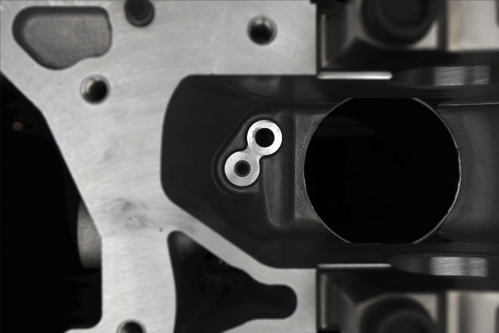
उदाहरण के लिए, इंजन के घटकों पर विचार करें। हाइब्रिड शक्ति प्रौद्योगिकियों में उन्नति और कुशल दहन प्रणालियों के विकास के कारण सिलेंडर ब्लॉक और सिलेंडर हेड असेंबली को बनाने वाली संरचनाओं के अत्यधिक सटीक इंजीनियरिंग की आवश्यकता उत्पन्न हो रही है। सटीक इंजीनियरिंग में आयामी शुद्धता, बेहतर संबंधित सतह परिष्करण और उन्नत संरचनात्मक अखंडता शामिल है। सबसे छोटे विचलन वाले घटक भी इंजन के लिए गंभीर समस्याएँ उत्पन्न कर सकते हैं, जिसमें इंजन की कम कार्यक्षमता और बढ़ी हुई उत्सर्जन मात्रा शामिल है। बैटरी प्रणालियों और विद्युत शक्ति की बढ़ती मांग के कारण घटकों के लिए इंजीनियरिंग मानकों में वृद्धि हुई है, ताकि वे लंबे समय तक स्थिर रूप से कार्य कर सकें।

एकीकृत स्मार्ट डिटेक्शन प्रौद्योगिकि डिज़ाइन पुनरावृत्ति को आकार देती है

बढ़ते हुए बुद्धिमान दृष्टि निरीक्षण प्रौद्योगिकी का एकीकरण वाहन अनुप्रयोगों में नवाचार और वाहन घटकों के डिज़ाइन के साथ गहराई से जुड़ा हुआ है। वास्तविक समय में दोषों का सटीक आकलन और पता लगाने की क्षमता प्रदान करने से डिज़ाइनरों को घटकों के अनुकूलन करने की क्षमता बढ़ जाती है। उन्नत निरीक्षण प्रणालियाँ माइक्रोन-स्तर पर पहले अदृश्य दोषों का पता लगाने में सक्षम होती हैं और डिज़ाइनरों को घटकों की संरचना तथा सामग्री को अनुकूलित करने और उनमें सुधार करने की अनुमति देती हैं।
 
एक उत्कृष्ट उदाहरण घटकों के उत्पादन की गुणवत्ता आश्वासन प्रक्रिया में है। बहु-दृश्य स्टीरियो दृष्टि मापन प्रणालियों ने उत्पादन गुणवत्ता आश्वासन प्रक्रिया में काफी प्रगति दिखाई है। दोष का पता लगाने में 99.8% की सफलता दर के साथ, डिज़ाइनरों को घटकों के प्रदर्शन पर वास्तविक समय में सटीक प्रतिक्रिया प्रदान की जा सकी, जो कई सिमुलेटेड स्थितियों के अधीन थी। घटकों के प्रदर्शन पर इस प्रतिक्रिया को विभिन्न सिमुलेटेड स्थितियों के अधीन दिया गया। यह पुनरावृत्तिमूलक डिज़ाइन प्रक्रिया घटकों के डिज़ाइन चरण में बुद्धिमान दृष्टि के लिए तुरंत उपलब्ध और महत्वपूर्ण उपकरणों में से एक है। यह तकनीकी नवाचार और बुद्धिमान दृष्टि में व्यावहारिक अनुप्रयोग का एकीकृत एवं सुचारू समावेशन है।

ऑटोमोटिव उन्नत प्रौद्योगिकी के लिए घटकों के डिज़ाइन के लिए नए सामग्रियों के नवाचार की आवश्यकता होती है। ऑटोमेकर्स घटकों के लिए सामग्रियों को हल्के, टिकाऊ और सतत विकल्पों में बदलना चाहते हैं। नई सामग्रियाँ पारंपरिक सामग्रियों का स्थान ले रही हैं, जिसके कई कारण हैं, जैसे ईंधन दक्षता में सुधार करना, इलेक्ट्रिक वाहनों (EV) की रेंज बढ़ाना और समग्र सुरक्षा में सुधार करना।

वाहन के भागों के डिज़ाइन के लिए उच्च-शक्ति वाले एल्यूमीनियम मिश्र धातुओं और कार्बन फाइबर संयोजकों के प्रति बढ़ता हुआ प्राथमिकता है। ऐसी हल्की सामग्रियाँ वाहनों के कुल भार को कम करने में सहायता करती हैं और पारंपरिक तथा इलेक्ट्रिक दोनों प्रकार के वाहनों के लिए आवश्यक दृढ़ता प्रदान करती हैं। इन लाभों के अतिरिक्त, जो नई सामग्रियाँ क्षरण प्रतिरोधी हैं, वे घटकों के जीवनकाल में सुधार करने में सहायता करती हैं। सामग्रियों का चयन करते समय विचाराधीन कारक केवल लागत और उपलब्धता तक सीमित नहीं हैं। डिज़ाइनर नई सामग्रियों के लिए पर्यावरणीय प्रदर्शन, चरम परिस्थितियाँ और सतत विनिर्माण प्रक्रियाओं को भी ध्यान में रखते हैं।
Technology Increases Precision in the Design of Automotive Components  The impact of technological progress in the automotive sector is setting new industry benchmarks, particularly in the design of automotive components. Increasingly technologically advanced automotive engines, combined with the rise of green and fuel-efficient vehicles, is establishing new industry component design standards. Emerging automotive technologies such as electric drive systems and advanced driver assistance systems compel industry component designers to innovate automotive components that function at optimal performance and safety at the micron level.  Consider components of the engine for instance. The advancement of hybrid power technologies and the development of efficient combustion systems are creating a need for even more precise engineering of the structures that comprise the cylinder block and cylinder head assembly. Precision engineering comprises dimensional accuracy, a better correlating surface finish, and enhanced structural integrity. Components with the smallest of deviations can create severe problems to the engine, including engine inefficiency and increased emissions. The growing need for battery systems and electric power has increased the engineering standards for components to able to perform stably for long periods of time.  Integrated Smart Detection Technology Shapes Design Iteration  The progressing integration of intelligent vision inspection technology is entwined with the innovation in automotive application and the design of the automotive components. Providing the ability to accurately assess and detect defects in real-time increases the ability of designers to optimize components. Advanced inspection systems have the ability to detect previously invisible flaws on a micron-level and enable designers to adapt and optimize the structures and materials of components.   A perfect example is in quality assurance of the production of components. Multi-view stereo vision measurement systems have shown a great advancement in the production quality assurance process. With a 99.8% success rate in defect detection, designers were able to be provided with real-time precise feedback on the performance of components over a multitude of simulated conditions. This feedback on the performance of components over a multitude of simulated conditions. This iterative design process is one of the readily available and important tools in intelligent detection of the components' design phase. It is the seamless integration of technological innovation and practical application in intelligent detection.  Automotive advanced technology requires the innovation of new materials for component design. Automakers want to change materials to more advanced alternatives that are lightweight, durable, and sustainable. New materials are replacing traditional materials for a number of reasons, including the need to improve fuel efficiency, extend the range of electric vehicles, and improve overall safety.   There is a growing preference for high-strength aluminum alloys and carbon fiber composites for the design of vehicle parts. Such light-weight materials help reduce the overall weight of the vehicles and provide the necessary rigidity for both traditional and electric vehicles. In addition to these benefits, new materials that are resistant to corrosion help to improve the life of parts. Considerations when selecting materials are not limited to cost and availability. Designers also consider environmental performance, extreme conditions, and sustainable manufacturing processes for new materials.     Design Collaboration and Synergy Across the Industry Chain  The automobile industry breakthroughs and fast-tracked innovations in technology simplify and even mandate collaborative design as a component development strategy. Component designers cannot work in silos and must engage with automotive manufacturers, tech providers, and component suppliers, From a design integration perspective, this constructive collaboration develops technologically superior components and all their production and market availability features.  Streamlined industry chain collaboration includes the sharing of design, production, and market availability insights. A case in point, the integration of robotic cleaning and inspection systems into real-time production control. Here, component designers and automation specialists must collaborate. Designed components that incorporate automated manufacturing features help reduce production timelines, and improved consistency. Proactive collaborative design identifies and resolves most issues before they become costly revisions and delays. Leading automotive brands have come to expect and rely on this collaborative design and production synergy to advance and accelerate their production capability.Increased Commercial Value Due to Optimized Component Design  Automotive technology innovation with optimized component design results in immediate commercial value. Increased precision, durability, and manufacturability with new technology improve the quality and performance of the vehicle, providing an advantage to the manufacturer. Consumers anticipate paying an increasing amount for the reliability, efficiency, and safety of the vehicle, all of which come from advanced component design.  In addition, optimized component design results in lower costs in the long run. Increased durability and lower failure rates minimize warranty costs, thus increasing consumer satisfaction.Take, for example, components that are able to withstand harsh operational extremes. They require minimal, maintenance from the consumer which results in lower total ownership costs. Additionally, new manufacturing technologies combined with advanced materials lower costs and increase production efficiency. The automotive industry greatly benefits from the mix of cost and performance optimization that innovative design of components provides

उद्योग श्रृंखला में डिज़ाइन सहयोग और सामंजस्य

ऑटोमोबाइल उद्योग में हुए ब्रेकथ्रू और प्रौद्योगिकी में त्वरित नवाचारों ने घटक विकास की रणनीति के रूप में सहयोगात्मक डिज़ाइन को सरल बना दिया है, यहाँ तक कि इसे अनिवार्य भी बना दिया है। घटक डिज़ाइनर अकेले काम नहीं कर सकते हैं और उन्हें ऑटोमोबाइल निर्माताओं, प्रौद्योगिकी प्रदाताओं और घटक आपूर्तिकर्ताओं के साथ संलग्न होना आवश्यक है। डिज़ाइन एकीकरण के दृष्टिकोण से, यह निर्माणात्मक सहयोग तकनीकी रूप से उन्नत घटकों और उनकी सभी उत्पादन एवं बाज़ार उपलब्धता विशेषताओं का विकास करता है।

सरलीकृत उद्योग श्रृंखला सहयोग में डिज़ाइन, उत्पादन और बाज़ार उपलब्धता के अंतर्दृष्टि के साझाकरण का समावेश होता है। एक उदाहरण के रूप में, रोबोटिक सफाई और निरीक्षण प्रणालियों का वास्तविक समय उत्पादन नियंत्रण में एकीकरण। यहाँ, घटक डिज़ाइनरों और स्वचालन विशेषज्ञों को सहयोग करना आवश्यक है। स्वचालित निर्माण सुविधाओं को शामिल करने वाले डिज़ाइन किए गए घटक उत्पादन के समय-सीमा को कम करने और स्थिरता में सुधार करने में सहायता करते हैं। पूर्वानुमानात्मक सहयोगी डिज़ाइन अधिकांश मुद्दों की पहचान करता है और उनका समाधान करता है, जिससे वे महंगे पुनरीक्षण और देरी का रूप नहीं ले पाते। प्रमुख ऑटोमोटिव ब्रांड्स इस सहयोगी डिज़ाइन और उत्पादन सामंजस्य पर भरोसा करने और इसकी अपेक्षा करने लगे हैं, ताकि वे अपनी उत्पादन क्षमता को बढ़ा सकें और त्वरित कर सकें। अनुकूलित घटक डिज़ाइन के कारण वाणिज्यिक मूल्य में वृद्धि

ऑटोमोटिव प्रौद्योगिकी में नवाचार और अनुकूलित घटक डिज़ाइन के परिणामस्वरूप तत्काल वाणिज्यिक मूल्य उत्पन्न होता है। नई प्रौद्योगिकी के साथ सटीकता, टिकाऊपन और उत्पादन योग्यता में वृद्धि से वाहन की गुणवत्ता और प्रदर्शन में सुधार होता है, जिससे निर्माता को लाभ प्राप्त होता है। उपभोक्ता वाहन की विश्वसनीयता, दक्षता और सुरक्षा के लिए बढ़ती कीमत चुकाने की अपेक्षा करते हैं, जो सभी उन्नत घटक डिज़ाइन से प्राप्त होते हैं।

इसके अतिरिक्त, घटकों की अनुकूलित डिज़ाइन से दीर्घकाल में लागत में कमी आती है। बढ़ी हुई टिकाऊपन और कम विफलता दरें वारंटी लागत को न्यूनतम करती हैं, जिससे उपभोक्ता संतुष्टि में वृद्धि होती है। उदाहरण के लिए, ऐसे घटकों पर विचार करें जो कठोर संचालन सीमाओं को सहन करने में सक्षम हों। इनके लिए उपभोक्ता द्वारा न्यूनतम रखरखाव की आवश्यकता होती है, जिससे कुल स्वामित्व लागत में कमी आती है। इसके अतिरिक्त, उन्नत निर्माण प्रौद्योगिकियों को उन्नत सामग्रियों के साथ संयोजित करने से लागत कम होती है और उत्पादन दक्षता में वृद्धि होती है। ऑटोमोटिव उद्योग को घटकों के नवाचारी डिज़ाइन द्वारा प्रदान की जाने वाली लागत और प्रदर्शन अनुकूलन के मिश्रण से बहुत लाभ होता है।

एक मुफ्त कोट प्राप्त करें

हमारा प्रतिनिधि जल्द ही आपको संपर्क करेगा।
ईमेल
मोबाइल/व्हाट्सएप
Name
Company Name
Message
0/1000