
احصل على اقتباس مجاني

سيتواصل معك ممثلنا قريبًا.
البريد الإلكتروني
الهاتف المحمول/واتساب
الاسم
اسم الشركة
رسالة
0/1000

المدونة

 >  المدونة

الأخبار

كيف تؤثر الابتكارات في تكنولوجيا السيارات على تصميم المكونات؟

Time : 2026-01-29

تُحسِّن التكنولوجيا دقة تصميم مكونات المركبات

يؤدي التقدُّم التكنولوجي في قطاع السيارات إلى وضع معايير صناعية جديدة، لا سيما في مجال تصميم مكونات المركبات. فالمحركات المتقدمة تكنولوجيًّا بشكلٍ متزايد، جنبًا إلى جنب مع ازدياد انتشار المركبات الصديقة للبيئة والموفرة للوقود، يشكِّل معًا معايير جديدة لتصميم مكونات المركبات على المستوى الصناعي. كما أن التقنيات الناشئة في مجال السيارات، مثل أنظمة الدفع الكهربائي وأنظمة المساعدة المتقدمة للسائق، تدفع مصمِّمي المكونات في القطاع إلى الابتكار في تصميم مكونات المركبات التي تعمل بأعلى أداءٍ وأعلى مستوى من السلامة، حتى على مستوى الميكرون.

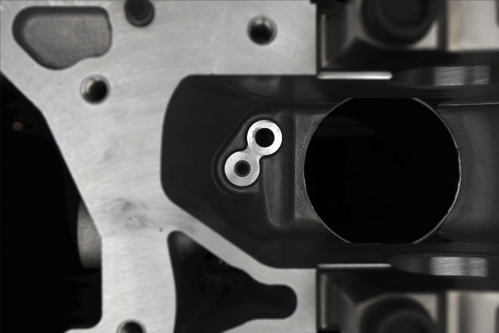
خُذ مكونات المحرك كمثالٍ. فمع التقدُّم المحرز في تقنيات الطاقة الهجينة وتطوير أنظمة الاحتراق الفعَّالة، تزايد الطلب على هندسة أكثر دقةً لهياكل بلوك الأسطوانة وتجميع غطاء الأسطوانة. وتتضمن الهندسة الدقيقة تحقيق الدقة البعدية، وتحسين جودة التشطيب السطحي لتتناسب بدقة أكبر مع المتطلبات، وتعزيز السلامة الإنشائية. إذ قد تتسبب المكونات التي تشوبها أصغر الانحرافات في مشاكل جسيمة للمحرك، مثل انخفاض كفاءة المحرك وازدياد الانبعاثات. كما أدَّى الطلب المتزايد على أنظمة البطاريات والطاقة الكهربائية إلى رفع المعايير الهندسية المفروضة على المكونات، بحيث تكون قادرةً على الأداء بشكلٍ مستقرٍ لفتراتٍ طويلةٍ من الزمن.

تُشكِّل تقنية الكشف الذكية المتكاملة عملية تكرار التصميم

يتمحور التكامل المتزايد لتكنولوجيا الفحص البصري الذكية حول الابتكار في التطبيقات automotive وتصميم المكونات automobile. ويُعزِّز توفير القدرة على تقييم الكشف عن العيوب بدقة وفي الوقت الفعلي من قدرة المصمِّمين على تحسين هذه المكونات. ولأنظمة الفحص المتقدمة القدرة على كشف عيوب كانت غير مرئية سابقًا على مستوى الميكرون، ما يمكِّن المصمِّمين من تعديل هياكل المكونات وموادها وتحسينها.
 
مثالٌ مثاليٌ على ذلك هو ضمان الجودة في إنتاج المكونات. وقد أظهرت أنظمة القياس ذات الرؤية المجسمة متعددة الزوايا تقدُّمًا كبيرًا في عملية ضمان جودة الإنتاج. وبمعدل نجاح بلغ ٩٩,٨٪ في كشف العيوب، تمكن المصممون من الحصول على تغذية راجعة دقيقة فورية بشأن أداء المكونات في ظل مجموعة واسعة من الظروف المحاكاة. وهذه التغذية الراجعة حول أداء المكونات في ظل مجموعة واسعة من الظروف المحاكاة. وتُعَدُّ هذه العملية التكرارية للتصميم إحدى الأدوات الجاهزة والمهمة المتاحة لاكتشاف المكونات بكفاءة في مرحلة تصميمها. وهي تمثِّل الدمج السلس بين الابتكار التكنولوجي والتطبيق العملي في الكشف الذكي.

تتطلب التكنولوجيا المتقدمة في قطاع السيارات ابتكار مواد جديدة لتصميم المكونات. ويرغب مصنعو السيارات في استبدال المواد التقليدية ببدائل أكثر تطورًا تكون خفيفة الوزن، ومتينة، ومستدامة. وتُستَبدَل المواد الجديدة بالمواد التقليدية لأسباب عديدة، من بينها الحاجة إلى تحسين كفاءة استهلاك الوقود، وزيادة مدى المركبات الكهربائية (EV)، وتحسين السلامة العامة.

ويزداد الاعتماد بشكل متزايد على سبائك الألومنيوم عالية القوة والمركبات الليفية الكربونية في تصميم أجزاء المركبات. وتساعد هذه المواد الخفيفة الوزن في تقليل الوزن الإجمالي للمركبات، وتوفير الصلابة اللازمة لكلٍّ من المركبات التقليدية والمركبات الكهربائية (EV). وبجانب هذه الفوائد، فإن المواد الجديدة المقاومة للتآكل تساهم في إطالة عمر الأجزاء. ولا تقتصر اعتبارات اختيار المواد على التكلفة والتوفر فحسب، بل يراعي المصممون أيضًا الأداء البيئي، والظروف القاسية، وعمليات التصنيع المستدامة للمواد الجديدة.
Technology Increases Precision in the Design of Automotive Components  The impact of technological progress in the automotive sector is setting new industry benchmarks, particularly in the design of automotive components. Increasingly technologically advanced automotive engines, combined with the rise of green and fuel-efficient vehicles, is establishing new industry component design standards. Emerging automotive technologies such as electric drive systems and advanced driver assistance systems compel industry component designers to innovate automotive components that function at optimal performance and safety at the micron level.  Consider components of the engine for instance. The advancement of hybrid power technologies and the development of efficient combustion systems are creating a need for even more precise engineering of the structures that comprise the cylinder block and cylinder head assembly. Precision engineering comprises dimensional accuracy, a better correlating surface finish, and enhanced structural integrity. Components with the smallest of deviations can create severe problems to the engine, including engine inefficiency and increased emissions. The growing need for battery systems and electric power has increased the engineering standards for components to able to perform stably for long periods of time.  Integrated Smart Detection Technology Shapes Design Iteration  The progressing integration of intelligent vision inspection technology is entwined with the innovation in automotive application and the design of the automotive components. Providing the ability to accurately assess and detect defects in real-time increases the ability of designers to optimize components. Advanced inspection systems have the ability to detect previously invisible flaws on a micron-level and enable designers to adapt and optimize the structures and materials of components.   A perfect example is in quality assurance of the production of components. Multi-view stereo vision measurement systems have shown a great advancement in the production quality assurance process. With a 99.8% success rate in defect detection, designers were able to be provided with real-time precise feedback on the performance of components over a multitude of simulated conditions. This feedback on the performance of components over a multitude of simulated conditions. This iterative design process is one of the readily available and important tools in intelligent detection of the components' design phase. It is the seamless integration of technological innovation and practical application in intelligent detection.  Automotive advanced technology requires the innovation of new materials for component design. Automakers want to change materials to more advanced alternatives that are lightweight, durable, and sustainable. New materials are replacing traditional materials for a number of reasons, including the need to improve fuel efficiency, extend the range of electric vehicles, and improve overall safety.   There is a growing preference for high-strength aluminum alloys and carbon fiber composites for the design of vehicle parts. Such light-weight materials help reduce the overall weight of the vehicles and provide the necessary rigidity for both traditional and electric vehicles. In addition to these benefits, new materials that are resistant to corrosion help to improve the life of parts. Considerations when selecting materials are not limited to cost and availability. Designers also consider environmental performance, extreme conditions, and sustainable manufacturing processes for new materials.     Design Collaboration and Synergy Across the Industry Chain  The automobile industry breakthroughs and fast-tracked innovations in technology simplify and even mandate collaborative design as a component development strategy. Component designers cannot work in silos and must engage with automotive manufacturers, tech providers, and component suppliers, From a design integration perspective, this constructive collaboration develops technologically superior components and all their production and market availability features.  Streamlined industry chain collaboration includes the sharing of design, production, and market availability insights. A case in point, the integration of robotic cleaning and inspection systems into real-time production control. Here, component designers and automation specialists must collaborate. Designed components that incorporate automated manufacturing features help reduce production timelines, and improved consistency. Proactive collaborative design identifies and resolves most issues before they become costly revisions and delays. Leading automotive brands have come to expect and rely on this collaborative design and production synergy to advance and accelerate their production capability.Increased Commercial Value Due to Optimized Component Design  Automotive technology innovation with optimized component design results in immediate commercial value. Increased precision, durability, and manufacturability with new technology improve the quality and performance of the vehicle, providing an advantage to the manufacturer. Consumers anticipate paying an increasing amount for the reliability, efficiency, and safety of the vehicle, all of which come from advanced component design.  In addition, optimized component design results in lower costs in the long run. Increased durability and lower failure rates minimize warranty costs, thus increasing consumer satisfaction.Take, for example, components that are able to withstand harsh operational extremes. They require minimal, maintenance from the consumer which results in lower total ownership costs. Additionally, new manufacturing technologies combined with advanced materials lower costs and increase production efficiency. The automotive industry greatly benefits from the mix of cost and performance optimization that innovative design of components provides

التعاون في التصميم والانسجام عبر سلسلة القيمة الصناعية

إن التطورات المهمة في قطاع صناعة السيارات والابتكارات المتسارعة في المجال التكنولوجي تُبسِّط عملية التصميم التعاوني—بل وتفرضها أحيانًا—كاستراتيجية لتطوير المكونات. ولا يمكن لمصممي المكونات العمل بشكل منعزل، بل يجب أن يتفاعلوا مع شركات تصنيع المركبات، وموفري التقنيات، وموردي المكونات. ومن منظور تكامل التصميم، فإن هذا التعاون البنَّاء يؤدي إلى تطوير مكونات ذات تفوّق تكنولوجي، فضلاً عن جميع الخصائص المرتبطة بإنتاجها وتوافرها في السوق.

تشمل التعاون المبسط في سلسلة التوريد الصناعية تبادل الرؤى المتعلقة بالتصميم والإنتاج وتوافر المنتجات في السوق. ومن الأمثلة البارزة على ذلك دمج أنظمة التنظيف والتفتيش الروبوتية في أنظمة التحكم الفعلي في الإنتاج. وفي هذه الحالة، يجب أن يتعاون مصممو المكونات وأخصائيو الأتمتة. فالمكونات المصممة بحيث تتضمن ميزات التصنيع الآلي تساعد في تقليص الجداول الزمنية للإنتاج وتحسين الاتساق. كما أن التصميم التعاوني الاستباقي يُحدِّد المشكلات ويحلها في مراحل مبكرة، قبل أن تتحول إلى مراجعات مكلفة وتأخيرات. وقد اعتادت أبرز العلامات التجارية في قطاع صناعة السيارات على الاعتماد على هذا التكامل بين التصميم التعاوني والإنتاج لتطوير قدراتها الإنتاجية وتسريعها. ونتيجةً لذلك، تزداد القيمة التجارية بفضل تحسين تصميم المكونات.

تؤدي الابتكارات في تكنولوجيا السيارات مع تحسين تصميم المكونات إلى قيمة تجارية فورية. وتساهم الدقة المتزايدة والمتانة وسهولة التصنيع الناتجة عن التكنولوجيا الجديدة في تحسين جودة الأداء العام للمركبة، مما يمنح المُصنِّع ميزة تنافسية. ويترقَّب المستهلكون دفع مبالغ متزايدة مقابل موثوقية المركبة وكفاءتها وسلامتها، وكلُّ هذه المزايا ناتجة عن التصاميم المتقدمة للمكونات.

وبالإضافة إلى ذلك، يؤدي تصميم المكونات المُحسَّن إلى خفض التكاليف على المدى الطويل. وتساهم الزيادة في المتانة وانخفاض معدلات الأعطال في تقليل تكاليف الضمان، مما يرفع من رضا المستهلكين. فعلى سبيل المثال، المكونات القادرة على تحمل ظروف التشغيل القاسية تتطلب صيانةً ضئيلةً جدًّا من قِبل المستهلك، ما يؤدي إلى خفض إجمالي تكاليف امتلاك المركبة. كما أن التقنيات التصنيعية الجديدة، عند دمجها مع المواد المتطورة، تخفض التكاليف وترفع كفاءة الإنتاج. ويستفيد قطاع صناعة السيارات استفادةً كبيرةً من الجمع بين تحسين التكلفة والأداء الذي يحققه التصميم المبتكر للمكونات.

احصل على اقتباس مجاني

سيتواصل معك ممثلنا قريبًا.
البريد الإلكتروني
الهاتف المحمول/واتساب
الاسم
اسم الشركة
رسالة
0/1000