
קבלו הצעת מחיר חינם

נציגנו ייצור איתכם קשר בקרוב.
אימייל
מوباיל/ווטסאפ
שם
שם החברה
הודעה
0/1000

בלוג

 >  בלוג

חדשות

איך חדשנות בטכנולוגיית הרכב משפיעה על תכן הרכיבים?

Time : 2026-01-29

הטכנולוגיה מגבירה את הדיוק בעיצוב רכיבי רכב

ההשפעה של ההתקדמות הטכנולוגית בתעשייה האוטומוביליסטית מגדירה סטנדרטים חדשים לתעשייה, במיוחד בתחום עיצוב רכיבי רכב. מנועי רכב מתקדמים יותר מבחינה טכנולוגית, בשילוב עם העלייה ברכבים ירוקים וחסכוניים בדלק, יוצרים סטנדרטים חדשים לעיצוב רכיבים בתעשייה. טכנולוגיות אוטומוביליסטיות צוברות תאוצה, כגון מערכות הנעה חשמליות ומערכות עזר לנהג מתקדמות, ומאלצות את מעצבים מקצועיים של רכיבים בתעשייה לפתח רכיבים אוטומוביליסטיים שפועלים בביצועים ובבטיחות אופטימליים ברמה המיקרונית.

קחו לדוגמה את רכיבי המנוע. ההתקדמות בטכנולוגיות כוח היברידיות והפיתוח של מערכות בעירה יעילות יוצרים דרישה להנדסת דיוק עוד יותר גבוהה של המבנים שמהווים את גוף הצילינדר וראש הצילינדר. הנדסת דיוק כוללת דיוק ממדי, עיבוד משטח מדויק יותר המתאים למטרות מסוימות, ותורמת ליציבות המבנית המוגברת של הרכיבים. רכיבים עם סטיות קטנות ביותר עלולים לגרום לבעיות חומריות במנוע, כולל יעילות נמוכה של המנוע והגברה בהפלטות מזהמות. הדורש הגובר למערכות סוללות ולחשמל הוביל לעלייה בסטנדרטים ההנדסיים הדרושים מהרכיבים כדי לפעול באופן יציב לאורך תקופות זמן ארוכות.

טכנולוגיית זיהוי חכמה משולבת מנהלת את התהליך החוזרי של העיצוב

האינטגרציה הדרגתית של טכנולוגיית בדיקת חזון אינטליגנטית קשורה באופן הדוק למיזמי החדשנות ביישום האוטומובילי ולעיצוב רכיבי הרכב. היכולת להעריך ולהגלה פגמים באופן מדויק ובזמן אמת מגבירה את היכולת של המעצבים לאופטימיזציה של הרכיבים. מערכות בדיקה מתקדמות מסוגלות לגלות פגמים שהיו בלתי נראים בעבר ברמה של מיקרון, ומאפשרות למעצבים להתאים ולאופטימיזציה של המבנה והחומרים של הרכיבים.
 
דוגמה מושלמת לכך היא במבט על בקרת האיכות בתהליך ייצור הרכיבים. מערכות מדידה מבוססות חזון סטריאוסקופי מרובה-זווית הציגו התקדמות משמעותית בתהליך בקרת איכות הייצור. עם שיעור הצלחה של 99.8% באיתור חסרונות, ניתן היה לספק למפתחים משוב מדויק בזמן אמת על הביצועים של הרכיבים תחת מגוון רחב של תנאי סימולציה. משוב זה על ביצועי הרכיבים תחת מגוון רחב של תנאי סימולציה. תהליך העיצוב החוזר הזה הוא אחד הכלים הזמינים והחשובים ביותר לזיהוי אינטליגנטי בשלב העיצוב של הרכיבים. זהו מיזוג חלק וחלק של חדשנות טכנולוגית ויישום פרקטי בזיהוי אינטליגנטי.

טכנולוגיות מתקדמות בתחום האוטומובילים דורשות חידוש בחומרים חדשים לעיצוב רכיבים. יצרני רכב מעוניינים להחליף חומרים בחומרים מתקדמים יותר שמשקלם קל, עמידים וברות-תשתית. חומרים חדשים מחליפים חומרים מסורתיים מסיבות רבות, ביניהן הצורך לשפר את יעילות השריפה, להאריך את טווח הרכבים החשמליים (EV) ולשפר את הבטיחות הכוללת.

ישנה העדפה גוברת לسبائك אלומיניום בעלות חוזק גבוה ולקומפוזיטים של סיבי פחמן לעיצוב חלקים אוטומוביליים. חומרים קלים אלו תורמים להפחתת המשקל הכולל של הרכבים ומספקים את הקשיחות הנדרשת הן לרכב מסורתי והן לרכב חשמלי. בנוסף לתועלות אלו, חומרים חדשים שמתנגדים לקורוזיה תורמים לשיפור משך החיים של החלקים. התחשבויות בבחירת החומרים אינן מוגבלות עלות וזמינות בלבד. מעצבים גם לוקחים בחשבון את הביצועים הסביבתיים, תנאי קיצון, ותהליכי ייצור ברות-תשתית לחומרים חדשים.
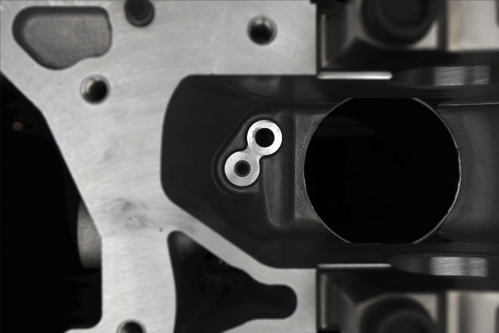
Technology Increases Precision in the Design of Automotive Components  The impact of technological progress in the automotive sector is setting new industry benchmarks, particularly in the design of automotive components. Increasingly technologically advanced automotive engines, combined with the rise of green and fuel-efficient vehicles, is establishing new industry component design standards. Emerging automotive technologies such as electric drive systems and advanced driver assistance systems compel industry component designers to innovate automotive components that function at optimal performance and safety at the micron level.  Consider components of the engine for instance. The advancement of hybrid power technologies and the development of efficient combustion systems are creating a need for even more precise engineering of the structures that comprise the cylinder block and cylinder head assembly. Precision engineering comprises dimensional accuracy, a better correlating surface finish, and enhanced structural integrity. Components with the smallest of deviations can create severe problems to the engine, including engine inefficiency and increased emissions. The growing need for battery systems and electric power has increased the engineering standards for components to able to perform stably for long periods of time.  Integrated Smart Detection Technology Shapes Design Iteration  The progressing integration of intelligent vision inspection technology is entwined with the innovation in automotive application and the design of the automotive components. Providing the ability to accurately assess and detect defects in real-time increases the ability of designers to optimize components. Advanced inspection systems have the ability to detect previously invisible flaws on a micron-level and enable designers to adapt and optimize the structures and materials of components.   A perfect example is in quality assurance of the production of components. Multi-view stereo vision measurement systems have shown a great advancement in the production quality assurance process. With a 99.8% success rate in defect detection, designers were able to be provided with real-time precise feedback on the performance of components over a multitude of simulated conditions. This feedback on the performance of components over a multitude of simulated conditions. This iterative design process is one of the readily available and important tools in intelligent detection of the components' design phase. It is the seamless integration of technological innovation and practical application in intelligent detection.  Automotive advanced technology requires the innovation of new materials for component design. Automakers want to change materials to more advanced alternatives that are lightweight, durable, and sustainable. New materials are replacing traditional materials for a number of reasons, including the need to improve fuel efficiency, extend the range of electric vehicles, and improve overall safety.   There is a growing preference for high-strength aluminum alloys and carbon fiber composites for the design of vehicle parts. Such light-weight materials help reduce the overall weight of the vehicles and provide the necessary rigidity for both traditional and electric vehicles. In addition to these benefits, new materials that are resistant to corrosion help to improve the life of parts. Considerations when selecting materials are not limited to cost and availability. Designers also consider environmental performance, extreme conditions, and sustainable manufacturing processes for new materials.     Design Collaboration and Synergy Across the Industry Chain  The automobile industry breakthroughs and fast-tracked innovations in technology simplify and even mandate collaborative design as a component development strategy. Component designers cannot work in silos and must engage with automotive manufacturers, tech providers, and component suppliers, From a design integration perspective, this constructive collaboration develops technologically superior components and all their production and market availability features.  Streamlined industry chain collaboration includes the sharing of design, production, and market availability insights. A case in point, the integration of robotic cleaning and inspection systems into real-time production control. Here, component designers and automation specialists must collaborate. Designed components that incorporate automated manufacturing features help reduce production timelines, and improved consistency. Proactive collaborative design identifies and resolves most issues before they become costly revisions and delays. Leading automotive brands have come to expect and rely on this collaborative design and production synergy to advance and accelerate their production capability.Increased Commercial Value Due to Optimized Component Design  Automotive technology innovation with optimized component design results in immediate commercial value. Increased precision, durability, and manufacturability with new technology improve the quality and performance of the vehicle, providing an advantage to the manufacturer. Consumers anticipate paying an increasing amount for the reliability, efficiency, and safety of the vehicle, all of which come from advanced component design.  In addition, optimized component design results in lower costs in the long run. Increased durability and lower failure rates minimize warranty costs, thus increasing consumer satisfaction.Take, for example, components that are able to withstand harsh operational extremes. They require minimal, maintenance from the consumer which results in lower total ownership costs. Additionally, new manufacturing technologies combined with advanced materials lower costs and increase production efficiency. The automotive industry greatly benefits from the mix of cost and performance optimization that innovative design of components provides

שיתוף פעולה בתכנון וסינרגיה לאורך שרשרת האספקה התעשייתית

הפריצות בשוק הרכבים והחידושים המואצים בטכנולוגיה מפשטים, ואפילו מקדמים, את שיתוף הפעולה בתכנון כאסטרטגיה לפיתוח רכיבים. מעצבים של רכיבים לא יכולים לעבוד בבודדנות, וחייבים לשתף פעולה עם יצרני רכב, ספקי טכנולוגיה וסופקי רכיבים. מנקודת מבט של אינטגרציה תכנונית, שיתוף הפעולה הבנאי הזה מגביר את עליונותם הטכנולוגית של הרכיבים, וכן את כל מאפייני הייצור והזמינות השוק שלהם.

שיתוף פעולה מזורז של שרשרת האספקה כולל שיתוף תובנות בתחום העיצוב, היצור והזמינות בשוק. דוגמה לכך היא אינטגרציה של מערכות רובוטיות לניקוי וביקורת לתוך בקרת ייצור בזמן אמת. כאן, מעצבים של רכיבים ומומחים לאוטומציה חייבים לשתף פעולה. רכיבים מעוצבים שכוללים תכונות ייצור אוטומטי עוזרים לקצר את זמני היצור ולשפר את האחידות. עיצוב שיתופי פרואקטיבי מזהה ופותר את רוב הבעיות לפני שהן הופכות לשינויים יקרים ועיכובים. מותגים מובילים בתעשיית הרכב erwarten וסומכים על סינרגיה זו של עיצוב ויצור שיתופי כדי להתקדם ולהאיץ את יכולת היצור שלהם. ערך מסחרי מוגדל כתוצאה מעיצוב רכיבים מותאם

חדשנות בטכנולוגיית הרכב עם עיצוב מרכיבים מותאם משפרת ערך מסחרי מיידי. הגדלת הדיוק, העמידות והיכולת לייצור בעזרת טכנולוגיה חדשה משפרת את האיכות והביצועים של הרכבת, ונותנת יתרון לייצרן. הצרכנים מצפים לשלם סכום גובר על אמינות, יעילות ובטיחות הרכבת, שכולן נובעות מעיצוב מתקדם של המרכיבים.

בנוסף, עיצוב רכיבים מותאם יוצר חסכונות בטווח הארוך. עמידות מוגברת ויחס כשלים נמוך יותר מפחיתים את עלויות ההבטחה, ובכך מגדילים את שביעות הרצון של הצרכן. קחו לדוגמה רכיבים שיכולים לעמוד בתנאי פעולה קיצוניים. הם דורשים תחזוקה מינימלית מצד הצרכן, מה שמביא להפחתת עלויות הבעלות הכוללות. בנוסף, טכנולוגיות ייצור חדשות בשילוב חומרים מתקדמים מפחיתות עלויות ומעליבות את יעילות הייצור. התעשייה האוטומוביליסטית נהנית במידה רבה מהשילוב בין אופטימיזציה של עלויות וביצועים שאותו מספק עיצוב חדשני של רכיבים.

קבלו הצעת מחיר חינם

נציגנו ייצור איתכם קשר בקרוב.
אימייל
מوباיל/ווטסאפ
שם
שם החברה
הודעה
0/1000