
Získejte bezplatnou nabídku

Náš zástupce se vám brzy ozve.
E-mail
Mobilní číslo/WhatsApp
Jméno
Název společnosti
Zpráva
0/1000

Blog

 >  Blog

Novinky

Jak inovace v oblasti automobilových technologií ovlivňují návrh komponent?

Time : 2026-01-29

Technologie zvyšují přesnost při návrhu automobilových komponentů

Dopad technologického pokročení v automobilovém průmyslu stanovuje nové odvětvové normy, zejména při návrhu automobilových komponentů. Stále pokročilejší automobilové motory v kombinaci s rostoucím podílem ekologických a palivově úsporných vozidel nastavují nové normy pro návrh komponentů v rámci odvětví. Nově vznikající automobilové technologie, jako jsou elektrické pohonné systémy a pokročilé systémy asistence řidiči, nutí návrháře komponentů v odvětví k inovacím, které zajišťují optimální výkon a bezpečnost komponentů na úrovni mikronů.

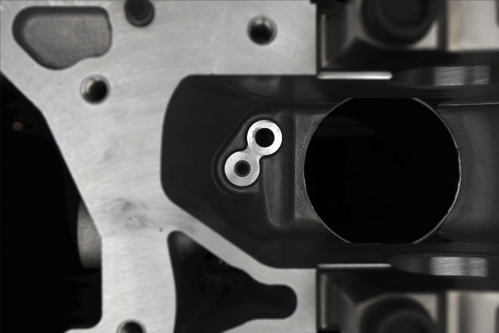
Uvažujme například součásti motoru. Pokročilé technologie hybridního pohonu a vývoj účinných spalovacích systémů vyvolávají potřebu ještě přesnějšího inženýrského návrhu konstrukcí tvořících válec a hlavu válce. Přesné inženýrství zahrnuje rozměrovou přesnost, lepší korelaci povrchové úpravy a zvýšenou strukturální integritu. I nejmenší odchylky u součástí mohou způsobit vážné problémy motoru, včetně jeho neúčinnosti a zvýšených emisí. Rostoucí potřeba bateriových systémů a elektrického pohonu zvyšuje inženýrské požadavky na součásti, aby byly schopny dlouhodobě stabilně fungovat.

Integrovaná chytrá detekční technologie ovlivňuje návrhovou iteraci

Postupná integrace technologie inteligentního vizuálního kontrolování je spojena s inovacemi v automobilových aplikacích a návrhem automobilových komponent. Možnost přesného posouzení a detekce vad v reálném čase zvyšuje schopnost konstruktérů optimalizovat komponenty. Pokročilé kontrolní systémy dokážou detekovat dříve neviditelné vady na mikronové úrovni a umožňují konstruktérům přizpůsobit a optimalizovat strukturu a materiály komponent.
 
Ideálním příkladem je zajištění kvality při výrobě komponent. Systémy měření pomocí stereovize s více pohledy prokázaly významný pokrok v procesu zajištění kvality výroby. S úspěšností 99,8 % při detekci vad mohli návrháři získat v reálném čase přesnou zpětnou vazbu k výkonu komponent za širokého spektra simulovaných podmínek. Tato zpětná vazba k výkonu komponent za širokého spektra simulovaných podmínek. Tento iterační návrhový proces patří mezi již dostupné a důležité nástroje inteligentní detekce ve fázi návrhu komponent. Je to bezproblémová integrace technologické inovace a praktického uplatnění v oblasti inteligentní detekce.

Pokročilé automobilové technologie vyžadují inovaci nových materiálů pro návrh komponent. Výrobci automobilů chtějí nahradit stávající materiály pokročilejšími alternativami, které jsou lehké, odolné a udržitelné. Nové materiály nahrazují tradiční materiály z řady důvodů, včetně potřeby zlepšit účinnost spotřeby paliva, prodloužit dojezd elektromobilů (EV) a zlepšit celkovou bezpečnost.

Roste preferovanost vysoce pevných hliníkových slitin a uhlíkových kompozitů pro návrh automobilových dílů. Tyto lehké materiály přispívají ke snížení celkové hmotnosti vozidel a zároveň poskytují požadovanou tuhost jak pro tradiční, tak pro elektrická vozidla. Kromě těchto výhod materiály odolné proti korozi pomáhají prodloužit životnost dílů. Při výběru materiálů se zohledňují nejen náklady a dostupnost, ale také environmentální výkonnost, odolnost v extrémních podmínkách a udržitelné výrobní procesy pro nové materiály.
Technology Increases Precision in the Design of Automotive Components  The impact of technological progress in the automotive sector is setting new industry benchmarks, particularly in the design of automotive components. Increasingly technologically advanced automotive engines, combined with the rise of green and fuel-efficient vehicles, is establishing new industry component design standards. Emerging automotive technologies such as electric drive systems and advanced driver assistance systems compel industry component designers to innovate automotive components that function at optimal performance and safety at the micron level.  Consider components of the engine for instance. The advancement of hybrid power technologies and the development of efficient combustion systems are creating a need for even more precise engineering of the structures that comprise the cylinder block and cylinder head assembly. Precision engineering comprises dimensional accuracy, a better correlating surface finish, and enhanced structural integrity. Components with the smallest of deviations can create severe problems to the engine, including engine inefficiency and increased emissions. The growing need for battery systems and electric power has increased the engineering standards for components to able to perform stably for long periods of time.  Integrated Smart Detection Technology Shapes Design Iteration  The progressing integration of intelligent vision inspection technology is entwined with the innovation in automotive application and the design of the automotive components. Providing the ability to accurately assess and detect defects in real-time increases the ability of designers to optimize components. Advanced inspection systems have the ability to detect previously invisible flaws on a micron-level and enable designers to adapt and optimize the structures and materials of components.   A perfect example is in quality assurance of the production of components. Multi-view stereo vision measurement systems have shown a great advancement in the production quality assurance process. With a 99.8% success rate in defect detection, designers were able to be provided with real-time precise feedback on the performance of components over a multitude of simulated conditions. This feedback on the performance of components over a multitude of simulated conditions. This iterative design process is one of the readily available and important tools in intelligent detection of the components' design phase. It is the seamless integration of technological innovation and practical application in intelligent detection.  Automotive advanced technology requires the innovation of new materials for component design. Automakers want to change materials to more advanced alternatives that are lightweight, durable, and sustainable. New materials are replacing traditional materials for a number of reasons, including the need to improve fuel efficiency, extend the range of electric vehicles, and improve overall safety.   There is a growing preference for high-strength aluminum alloys and carbon fiber composites for the design of vehicle parts. Such light-weight materials help reduce the overall weight of the vehicles and provide the necessary rigidity for both traditional and electric vehicles. In addition to these benefits, new materials that are resistant to corrosion help to improve the life of parts. Considerations when selecting materials are not limited to cost and availability. Designers also consider environmental performance, extreme conditions, and sustainable manufacturing processes for new materials.     Design Collaboration and Synergy Across the Industry Chain  The automobile industry breakthroughs and fast-tracked innovations in technology simplify and even mandate collaborative design as a component development strategy. Component designers cannot work in silos and must engage with automotive manufacturers, tech providers, and component suppliers, From a design integration perspective, this constructive collaboration develops technologically superior components and all their production and market availability features.  Streamlined industry chain collaboration includes the sharing of design, production, and market availability insights. A case in point, the integration of robotic cleaning and inspection systems into real-time production control. Here, component designers and automation specialists must collaborate. Designed components that incorporate automated manufacturing features help reduce production timelines, and improved consistency. Proactive collaborative design identifies and resolves most issues before they become costly revisions and delays. Leading automotive brands have come to expect and rely on this collaborative design and production synergy to advance and accelerate their production capability.Increased Commercial Value Due to Optimized Component Design  Automotive technology innovation with optimized component design results in immediate commercial value. Increased precision, durability, and manufacturability with new technology improve the quality and performance of the vehicle, providing an advantage to the manufacturer. Consumers anticipate paying an increasing amount for the reliability, efficiency, and safety of the vehicle, all of which come from advanced component design.  In addition, optimized component design results in lower costs in the long run. Increased durability and lower failure rates minimize warranty costs, thus increasing consumer satisfaction.Take, for example, components that are able to withstand harsh operational extremes. They require minimal, maintenance from the consumer which results in lower total ownership costs. Additionally, new manufacturing technologies combined with advanced materials lower costs and increase production efficiency. The automotive industry greatly benefits from the mix of cost and performance optimization that innovative design of components provides

Spolupráce při návrhu a synergická interakce napříč řetězcem hodnoty

Průlomy v automobilovém průmyslu a rychle zaváděné inovace v oblasti technologií zjednodušují – nebo dokonce vyžadují – spolupráci při návrhu jako strategii vývoje komponent. Návrháři komponent nemohou pracovat izolovaně, nýbrž musí spolupracovat s výrobci automobilů, poskytovateli technologií a dodavateli komponent. Z hlediska integrovaného návrhu tato konstruktivní spolupráce vedie k vývoji technologicky vyspějších komponent a zároveň zajišťuje jejich výrobní a tržní dostupnost.

Zjednodušená spolupráce v rámci průmyslového řetězce zahrnuje sdílení poznatků z oblastí návrhu, výroby a dostupnosti na trhu. Příkladem je integrace robotických systémů pro čištění a kontrolu do reálného řízení výroby. V tomto případě musí spolupracovat návrháři komponent a specializovaní odborníci na automatizaci. Komponenty navržené tak, aby umožňovaly automatizovanou výrobu, přispívají ke zkrácení výrobních termínů a zlepšení konzistence. Proaktivní spolupráce při návrhu umožňuje identifikovat a vyřešit většinu problémů ještě před tím, než se změní na nákladné revize a zpoždění. Významné automobilové značky se již začaly této synergii mezi spoluprací při návrhu a výrobě spolehnout a očekávají ji jako prostředek ke zrychlení a posílení svých výrobních kapacit. Zvýšená komerční hodnota díky optimalizovanému návrhu komponent

Inovace v oblasti automobilových technologií s optimalizovaným návrhem komponentů přináší okamžitou komerční hodnotu. Zvýšená přesnost, odolnost a výrobní vhodnost díky novým technologiím zlepšují kvalitu a výkon vozidla a poskytují výrobci konkurenční výhodu. Spotřebitelé očekávají, že za spolehlivost, účinnost a bezpečnost vozidla – všechny tyto vlastnosti vyplývají z pokročilého návrhu komponentů – budou postupně platit stále vyšší částku.

Kromě toho optimalizovaný návrh komponentů vede na dlouhodobé úrovni ke snížení nákladů. Zvýšená životnost a nižší míra poruch minimalizují záruční náklady, čímž se zvyšuje spokojenost zákazníků. Vezměme si například komponenty, které jsou schopny odolat extrémním provozním podmínkám. Ty vyžadují od zákazníka minimální údržbu, což vede ke snížení celkových nákladů na vlastnictví vozidla. Navíc nové výrobní technologie ve spojení s pokročilými materiály snižují náklady a zvyšují výrobní efektivitu. Automobilový průmysl velmi těží z kombinace optimalizace nákladů a výkonu, kterou umožňuje inovativní návrh komponentů.

Získejte bezplatnou nabídku

Náš zástupce se vám brzy ozve.
E-mail
Mobilní číslo/WhatsApp
Jméno
Název společnosti
Zpráva
0/1000