
ขอใบเสนอราคาฟรี

ตัวแทนของเราจะติดต่อคุณในไม่ช้า
อีเมล
มือถือ/WhatsApp
ชื่อ
ชื่อบริษัท
ข้อความ
0/1000

บล็อก

 >  บล็อก

ข่าวสาร

นวัตกรรมเทคโนโลยีรถยนต์ส่งผลกระทบต่อการออกแบบชิ้นส่วนอย่างไร

Time : 2026-01-29

เทคโนโลยีเพิ่มความแม่นยำในการออกแบบชิ้นส่วนยานยนต์

ผลกระทบจากการก้าวหน้าทางเทคโนโลยีในภาคยานยนต์กำลังกำหนดมาตรฐานอุตสาหกรรมใหม่ โดยเฉพาะอย่างยิ่งในการออกแบบชิ้นส่วนยานยนต์ ซึ่งเครื่องยนต์ยานยนต์ที่มีความก้าวหน้าทางเทคโนโลยีมากขึ้นเรื่อยๆ ร่วมกับการเติบโตของยานยนต์พลังงานสะอาดและยานยนต์ประหยัดเชื้อเพลิง ได้สร้างมาตรฐานการออกแบบชิ้นส่วนอุตสาหกรรมใหม่ขึ้น เทคโนโลยียานยนต์รุ่นใหม่ เช่น ระบบขับเคลื่อนไฟฟ้า (EV) และระบบช่วยขับขี่ขั้นสูง (ADAS) ได้ผลักดันให้นักออกแบบชิ้นส่วนในอุตสาหกรรมต้องพัฒนานวัตกรรมชิ้นส่วนยานยนต์ที่สามารถทำงานได้อย่างมีประสิทธิภาพสูงสุดและปลอดภัยในระดับไมครอน

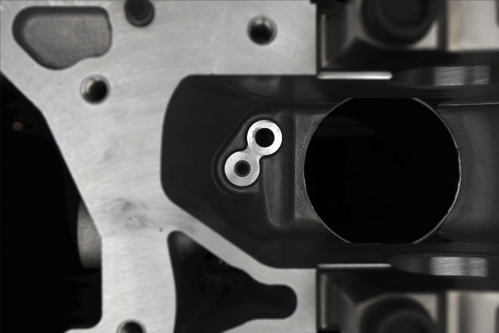
พิจารณาส่วนประกอบของเครื่องยนต์เป็นตัวอย่าง เช่น การก้าวหน้าของเทคโนโลยีขับเคลื่อนแบบไฮบริดและการพัฒนาระบบการเผาไหม้ที่มีประสิทธิภาพกำลังสร้างความต้องการวิศวกรรมที่แม่นยำยิ่งขึ้นสำหรับโครงสร้างต่าง ๆ ที่ประกอบเป็นบล็อกสูบและฝาสูบ วิศวกรรมที่แม่นยำนั้นหมายรวมถึงความถูกต้องของมิติ พื้นผิวที่มีคุณภาพดีขึ้นซึ่งสอดคล้องกันมากยิ่งขึ้น และความแข็งแรงของโครงสร้างที่ดีขึ้น ส่วนประกอบที่มีความเบี่ยงเบนเพียงเล็กน้อยที่สุดก็อาจก่อให้เกิดปัญหารุนแรงต่อเครื่องยนต์ รวมถึงประสิทธิภาพของเครื่องยนต์ลดลงและมลพิษเพิ่มขึ้น ความต้องการระบบแบตเตอรี่และพลังงานไฟฟ้าที่เพิ่มขึ้นอย่างต่อเนื่องได้ส่งผลให้มาตรฐานวิศวกรรมสำหรับส่วนประกอบต่าง ๆ สูงขึ้น เพื่อให้สามารถทำงานได้อย่างเสถียรในระยะเวลานาน

เทคโนโลยีตรวจจับอัจฉริยะแบบบูรณาการกำหนดรูปแบบการปรับปรุงการออกแบบ

การผสานรวมเทคโนโลยีการตรวจสอบด้วยภาพอัจฉริยะที่ก้าวหน้าขึ้นเรื่อยๆ นั้นเชื่อมโยงอย่างลึกซึ้งกับนวัตกรรมในการประยุกต์ใช้งานยานยนต์และการออกแบบชิ้นส่วนยานยนต์ ความสามารถในการประเมินและตรวจจับข้อบกพร่องได้อย่างแม่นยำแบบเรียลไทม์ ช่วยเพิ่มศักยภาพของนักออกแบบในการปรับแต่งและเพิ่มประสิทธิภาพของชิ้นส่วนให้ดียิ่งขึ้น ระบบการตรวจสอบขั้นสูงมีความสามารถในการตรวจจับข้อบกพร่องที่มองไม่เห็นมาก่อนหน้านี้ในระดับไมครอน และช่วยให้นักออกแบบสามารถปรับเปลี่ยนและเพิ่มประสิทธิภาพโครงสร้างและวัสดุของชิ้นส่วนได้
 
ตัวอย่างที่สมบูรณ์แบบคือการประกันคุณภาพในกระบวนการผลิตชิ้นส่วน ระบบวัดด้วยเทคโนโลยีสเตอริโอวิชันแบบหลายมุมมองได้แสดงให้เห็นถึงความก้าวหน้าอย่างมากในกระบวนการประกันคุณภาพการผลิต โดยมีอัตราความสำเร็จในการตรวจจับข้อบกพร่องสูงถึงร้อยละ 99.8 ทำให้นักออกแบบสามารถรับฟีดแบ็กที่แม่นยำและเป็นแบบเรียลไทม์เกี่ยวกับประสิทธิภาพของชิ้นส่วนภายใต้เงื่อนไขจำลองต่าง ๆ จำนวนมาก ซึ่งฟีดแบ็กนี้เกี่ยวกับประสิทธิภาพของชิ้นส่วนภายใต้เงื่อนไขจำลองต่าง ๆ จำนวนมาก กระบวนการออกแบบแบบวนซ้ำนี้เป็นหนึ่งในเครื่องมือที่มีอยู่จริงและมีความสำคัญยิ่งสำหรับการตรวจจับอย่างชาญฉลาดในขั้นตอนการออกแบบชิ้นส่วน และยังเป็นการผสานรวมอย่างไร้รอยต่อระหว่างนวัตกรรมทางเทคโนโลยีกับการประยุกต์ใช้งานจริงในการตรวจจับอย่างชาญฉลาด

เทคโนโลยีขั้นสูงสำหรับยานยนต์ต้องอาศัยการนวัตกรรมวัสดุใหม่ในการออกแบบชิ้นส่วน ผู้ผลิตรถยนต์ต้องการเปลี่ยนวัสดุไปใช้ทางเลือกที่ทันสมัยยิ่งขึ้น ซึ่งมีน้ำหนักเบา ทนทาน และยั่งยืน วัสดุใหม่กำลังเข้ามาแทนที่วัสดุแบบดั้งเดิมด้วยเหตุผลหลายประการ รวมถึงความจำเป็นในการปรับปรุงประสิทธิภาพการใช้เชื้อเพลิง ขยายระยะการขับขี่ของยานพาหนะไฟฟ้า (EV) และยกระดับความปลอดภัยโดยรวม

ปัจจุบันมีแนวโน้มเพิ่มมากขึ้นในการเลือกใช้อะลูมิเนียมอัลลอยด์ความแข็งแรงสูงและคอมโพสิตคาร์บอนไฟเบอร์สำหรับการออกแบบชิ้นส่วนรถยนต์ วัสดุที่มีน้ำหนักเบาเหล่านี้ช่วยลดน้ำหนักรวมของยานพาหนะ และให้ความแข็งแกร่งที่จำเป็นทั้งสำหรับยานพาหนะแบบดั้งเดิมและยานพาหนะไฟฟ้า (EV) นอกจากประโยชน์ดังกล่าวแล้ว วัสดุใหม่ที่มีคุณสมบัติต้านทานการกัดกร่อนยังช่วยยืดอายุการใช้งานของชิ้นส่วนอีกด้วย ปัจจัยที่พิจารณาเมื่อเลือกวัสดุไม่ได้จำกัดอยู่เพียงต้นทุนและปริมาณการจัดหาเท่านั้น นักออกแบบยังพิจารณาด้านประสิทธิภาพต่อสิ่งแวดล้อม สภาวะแวดล้อมสุดขั้ว และกระบวนการผลิตที่ยั่งยืนสำหรับวัสดุใหม่ด้วย
Technology Increases Precision in the Design of Automotive Components  The impact of technological progress in the automotive sector is setting new industry benchmarks, particularly in the design of automotive components. Increasingly technologically advanced automotive engines, combined with the rise of green and fuel-efficient vehicles, is establishing new industry component design standards. Emerging automotive technologies such as electric drive systems and advanced driver assistance systems compel industry component designers to innovate automotive components that function at optimal performance and safety at the micron level.  Consider components of the engine for instance. The advancement of hybrid power technologies and the development of efficient combustion systems are creating a need for even more precise engineering of the structures that comprise the cylinder block and cylinder head assembly. Precision engineering comprises dimensional accuracy, a better correlating surface finish, and enhanced structural integrity. Components with the smallest of deviations can create severe problems to the engine, including engine inefficiency and increased emissions. The growing need for battery systems and electric power has increased the engineering standards for components to able to perform stably for long periods of time.  Integrated Smart Detection Technology Shapes Design Iteration  The progressing integration of intelligent vision inspection technology is entwined with the innovation in automotive application and the design of the automotive components. Providing the ability to accurately assess and detect defects in real-time increases the ability of designers to optimize components. Advanced inspection systems have the ability to detect previously invisible flaws on a micron-level and enable designers to adapt and optimize the structures and materials of components.   A perfect example is in quality assurance of the production of components. Multi-view stereo vision measurement systems have shown a great advancement in the production quality assurance process. With a 99.8% success rate in defect detection, designers were able to be provided with real-time precise feedback on the performance of components over a multitude of simulated conditions. This feedback on the performance of components over a multitude of simulated conditions. This iterative design process is one of the readily available and important tools in intelligent detection of the components' design phase. It is the seamless integration of technological innovation and practical application in intelligent detection.  Automotive advanced technology requires the innovation of new materials for component design. Automakers want to change materials to more advanced alternatives that are lightweight, durable, and sustainable. New materials are replacing traditional materials for a number of reasons, including the need to improve fuel efficiency, extend the range of electric vehicles, and improve overall safety.   There is a growing preference for high-strength aluminum alloys and carbon fiber composites for the design of vehicle parts. Such light-weight materials help reduce the overall weight of the vehicles and provide the necessary rigidity for both traditional and electric vehicles. In addition to these benefits, new materials that are resistant to corrosion help to improve the life of parts. Considerations when selecting materials are not limited to cost and availability. Designers also consider environmental performance, extreme conditions, and sustainable manufacturing processes for new materials.     Design Collaboration and Synergy Across the Industry Chain  The automobile industry breakthroughs and fast-tracked innovations in technology simplify and even mandate collaborative design as a component development strategy. Component designers cannot work in silos and must engage with automotive manufacturers, tech providers, and component suppliers, From a design integration perspective, this constructive collaboration develops technologically superior components and all their production and market availability features.  Streamlined industry chain collaboration includes the sharing of design, production, and market availability insights. A case in point, the integration of robotic cleaning and inspection systems into real-time production control. Here, component designers and automation specialists must collaborate. Designed components that incorporate automated manufacturing features help reduce production timelines, and improved consistency. Proactive collaborative design identifies and resolves most issues before they become costly revisions and delays. Leading automotive brands have come to expect and rely on this collaborative design and production synergy to advance and accelerate their production capability.Increased Commercial Value Due to Optimized Component Design  Automotive technology innovation with optimized component design results in immediate commercial value. Increased precision, durability, and manufacturability with new technology improve the quality and performance of the vehicle, providing an advantage to the manufacturer. Consumers anticipate paying an increasing amount for the reliability, efficiency, and safety of the vehicle, all of which come from advanced component design.  In addition, optimized component design results in lower costs in the long run. Increased durability and lower failure rates minimize warranty costs, thus increasing consumer satisfaction.Take, for example, components that are able to withstand harsh operational extremes. They require minimal, maintenance from the consumer which results in lower total ownership costs. Additionally, new manufacturing technologies combined with advanced materials lower costs and increase production efficiency. The automotive industry greatly benefits from the mix of cost and performance optimization that innovative design of components provides

ความร่วมมือด้านการออกแบบและพลังเชิงซินเนอร์จีทั่วทั้งห่วงโซ่อุตสาหกรรม

การก้าวหน้าของอุตสาหกรรมยานยนต์และการพัฒนานวัตกรรมเทคโนโลยีอย่างรวดเร็ว ทำให้การร่วมมือกันในการออกแบบกลายเป็นกลยุทธ์สำคัญสำหรับการพัฒนาชิ้นส่วน นักออกแบบชิ้นส่วนจึงไม่สามารถทำงานแบบแยกส่วนได้อีกต่อไป แต่จำเป็นต้องประสานงานอย่างใกล้ชิดกับผู้ผลิตรถยนต์ ผู้ให้บริการเทคโนโลยี และผู้จัดจำหน่ายชิ้นส่วน ทั้งนี้ จากมุมมองของการบูรณาการการออกแบบ การร่วมมือกันในเชิงสร้างสรรค์นี้จะส่งผลให้เกิดชิ้นส่วนที่เหนือกว่าในเชิงเทคโนโลยี รวมทั้งคุณลักษณะที่เกี่ยวข้องกับกระบวนการผลิตและการวางจำหน่ายในตลาดทั้งหมด

การร่วมมือกันอย่างมีประสิทธิภาพในห่วงโซ่อุตสาหกรรม รวมถึงการแบ่งปันข้อมูลเชิงลึกเกี่ยวกับการออกแบบ การผลิต และความพร้อมใช้งานในตลาด ตัวอย่างหนึ่งคือ การผสานระบบหุ่นยนต์สำหรับการทำความสะอาดและตรวจสอบเข้ากับระบบควบคุมการผลิตแบบเรียลไทม์ ซึ่งในกรณีนี้ ผู้ออกแบบชิ้นส่วนและผู้เชี่ยวชาญด้านระบบอัตโนมัติจำเป็นต้องร่วมมือกันอย่างใกล้ชิด ชิ้นส่วนที่ได้รับการออกแบบมาให้รองรับคุณสมบัติการผลิตอัตโนมัติจะช่วยลดระยะเวลาในการผลิตและเพิ่มความสม่ำเสมอของผลิตภัณฑ์ การออกแบบร่วมกันอย่างรุกกระตุ้น (Proactive collaborative design) ช่วยระบุและแก้ไขปัญหาส่วนใหญ่ก่อนที่จะกลายเป็นการปรับปรุงใหม่ที่มีค่าใช้จ่ายสูงหรือทำให้เกิดความล่าช้า แบรนด์ยานยนต์ชั้นนำจึงคาดหวังและพึ่งพาความร่วมผสานระหว่างการออกแบบร่วมกันกับการผลิตนี้ เพื่อพัฒนาและเร่งขีดความสามารถในการผลิตของตนอย่างต่อเนื่อง มูลค่าเชิงพาณิชย์ที่เพิ่มขึ้นเนื่องจากการออกแบบชิ้นส่วนที่เหมาะสมที่สุด

นวัตกรรมเทคโนโลยียานยนต์ที่มีการออกแบบชิ้นส่วนอย่างเหมาะสมส่งผลให้เกิดมูลค่าเชิงพาณิชย์ทันที ความแม่นยำ ความทนทาน และความสามารถในการผลิตที่เพิ่มขึ้นจากเทคโนโลยีใหม่ช่วยยกระดับคุณภาพและสมรรถนะของยานยนต์ ซึ่งเป็นข้อได้เปรียบสำหรับผู้ผลิต ผู้บริโภคมีแนวโน้มพร้อมจ่ายมากขึ้นเพื่อความน่าเชื่อถือ ประสิทธิภาพ และความปลอดภัยของยานยนต์ ซึ่งล้วนเกิดขึ้นจากกระบวนการออกแบบชิ้นส่วนขั้นสูง

นอกจากนี้ การออกแบบชิ้นส่วนที่ได้รับการปรับปรุงให้เหมาะสมยังส่งผลให้ต้นทุนลดลงในระยะยาว ความทนทานที่เพิ่มขึ้นและอัตราการเสียหายที่ต่ำลงช่วยลดต้นทุนด้านการรับประกัน ส่งผลให้ความพึงพอใจของผู้บริโภคเพิ่มสูงขึ้น ยกตัวอย่างเช่น ชิ้นส่วนที่สามารถทนต่อสภาพการทำงานที่รุนแรงได้ ซึ่งชิ้นส่วนเหล่านี้ต้องการการบำรุงรักษาจากผู้บริโภคน้อยมาก ส่งผลให้ต้นทุนรวมในการเป็นเจ้าของลดลง นอกจากนี้ เทคโนโลยีการผลิตใหม่ๆ ที่ผสานกับวัสดุขั้นสูงยังช่วยลดต้นทุนและเพิ่มประสิทธิภาพในการผลิตอีกด้วย อุตสาหกรรมยานยนต์ได้รับประโยชน์อย่างมากจากการผสมผสานระหว่างการเพิ่มประสิทธิภาพด้านต้นทุนและสมรรถนะ ซึ่งเกิดขึ้นได้จากการออกแบบชิ้นส่วนอย่างสร้างสรรค์

ขอใบเสนอราคาฟรี

ตัวแทนของเราจะติดต่อคุณในไม่ช้า
อีเมล
มือถือ/WhatsApp
ชื่อ
ชื่อบริษัท
ข้อความ
0/1000