
無料見積もりを依頼する

当社の担当者がすぐにご連絡いたします。
Email
携帯/WhatsApp
名前
会社名
メッセージ
0/1000

ブログ

 >  ブログ

ニュース

自動車技術の革新は部品設計にどのように影響を与えるか?

Time : 2026-01-29

技術が自動車部品の設計精度を向上させる

自動車業界における技術進歩の影響により、特に自動車部品の設計分野で新たな業界基準が確立されています。高度に技術化された自動車エンジンと、環境配慮型・燃料効率の高い車両の普及が相まって、自動車部品設計に関する新たな業界標準が定められています。電動駆動システムや先進運転支援システム(ADAS)といった新興自動車技術は、業界の部品設計者に対し、マイクロンレベルでの最適な性能と安全性を実現する自動車部品の革新を強く求めています。

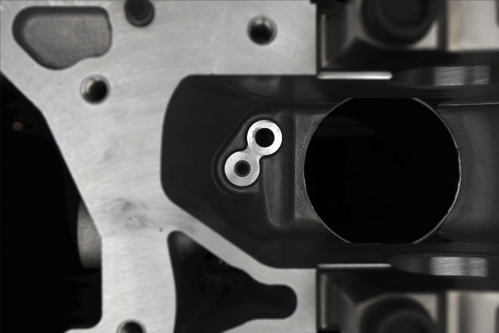
例えばエンジンの構成部品について考えてみましょう。ハイブリッド動力技術の進展および高効率燃焼システムの開発により、シリンダーブロックおよびシリンダーヘッドアセンブリを構成する構造物に対する、さらに高精度な設計・加工が求められるようになっています。高精度設計・加工とは、寸法精度の向上、より整合性の高い表面粗さ(仕上げ)、および構造的強度の向上を含みます。わずかでも許容範囲を超えた寸法誤差を持つ部品は、エンジンに深刻な問題を引き起こす可能性があり、その例としてエンジン効率の低下や排出ガスの増加が挙げられます。バッテリーシステムおよび電動パワートレインへの需要の高まりに伴い、長期間にわたり安定して機能できる部品に対するエンジニアリング基準もさらに厳格化されています。

統合型スマート検出技術が設計の反復プロセスを形作る

知能型ビジョン検査技術の継続的な統合は、自動車分野における応用革新および自動車部品の設計と密接に結びついています。リアルタイムで欠陥を正確に評価・検出する能力を提供することで、設計者が部品を最適化する能力が高まります。高度な検査システムは、これまで検出できなかったマイクロンレベルの微細な欠陥を検出し、設計者が部品の構造および材料を適応・最適化することを可能にします。
 
完璧な例として、部品製造における品質保証が挙げられます。マルチビュー・ステレオビジョン計測システムは、製造品質保証プロセスにおいて著しい進展を遂げています。欠陥検出率は99.8%に達し、設計者は、多数のシミュレーション条件における部品の性能について、リアルタイムかつ高精度なフィードバックを得られるようになりました。この、多数のシミュレーション条件における部品性能に関するフィードバックにより、反復的な設計プロセスが実現されています。このような反復設計プロセスは、部品の設計段階における知能型検出において、既に実用化され、極めて重要なツールの一つです。これは、技術革新と実用化とのシームレスな統合であり、知能型検出における具体例です。

自動車の先進技術には、部品設計における新素材の革新が不可欠です。自動車メーカーは、軽量で耐久性が高く、持続可能なより高度な代替素材へと素材を変更しようとしています。新素材は、燃費向上、電気自動車(EV)の航続距離延長、および全体的な安全性向上など、さまざまな理由から従来の素材に取って代わっています。

車両部品の設計において、高強度アルミニウム合金および炭素繊維複合材料への需要が高まっています。こうした軽量素材は、車両全体の重量を低減するとともに、従来型車両および電気自動車(EV)双方に必要な剛性を確保します。さらに、これらの利点に加え、腐食に強い新素材は部品の寿命延長にも寄与します。素材選定に際して考慮される要素は、コストや供給可能性に限定されません。デザイナーは、環境性能、過酷な使用条件、および新素材の持続可能な製造プロセスも併せて検討しています。
Technology Increases Precision in the Design of Automotive Components  The impact of technological progress in the automotive sector is setting new industry benchmarks, particularly in the design of automotive components. Increasingly technologically advanced automotive engines, combined with the rise of green and fuel-efficient vehicles, is establishing new industry component design standards. Emerging automotive technologies such as electric drive systems and advanced driver assistance systems compel industry component designers to innovate automotive components that function at optimal performance and safety at the micron level.  Consider components of the engine for instance. The advancement of hybrid power technologies and the development of efficient combustion systems are creating a need for even more precise engineering of the structures that comprise the cylinder block and cylinder head assembly. Precision engineering comprises dimensional accuracy, a better correlating surface finish, and enhanced structural integrity. Components with the smallest of deviations can create severe problems to the engine, including engine inefficiency and increased emissions. The growing need for battery systems and electric power has increased the engineering standards for components to able to perform stably for long periods of time.  Integrated Smart Detection Technology Shapes Design Iteration  The progressing integration of intelligent vision inspection technology is entwined with the innovation in automotive application and the design of the automotive components. Providing the ability to accurately assess and detect defects in real-time increases the ability of designers to optimize components. Advanced inspection systems have the ability to detect previously invisible flaws on a micron-level and enable designers to adapt and optimize the structures and materials of components.   A perfect example is in quality assurance of the production of components. Multi-view stereo vision measurement systems have shown a great advancement in the production quality assurance process. With a 99.8% success rate in defect detection, designers were able to be provided with real-time precise feedback on the performance of components over a multitude of simulated conditions. This feedback on the performance of components over a multitude of simulated conditions. This iterative design process is one of the readily available and important tools in intelligent detection of the components' design phase. It is the seamless integration of technological innovation and practical application in intelligent detection.  Automotive advanced technology requires the innovation of new materials for component design. Automakers want to change materials to more advanced alternatives that are lightweight, durable, and sustainable. New materials are replacing traditional materials for a number of reasons, including the need to improve fuel efficiency, extend the range of electric vehicles, and improve overall safety.   There is a growing preference for high-strength aluminum alloys and carbon fiber composites for the design of vehicle parts. Such light-weight materials help reduce the overall weight of the vehicles and provide the necessary rigidity for both traditional and electric vehicles. In addition to these benefits, new materials that are resistant to corrosion help to improve the life of parts. Considerations when selecting materials are not limited to cost and availability. Designers also consider environmental performance, extreme conditions, and sustainable manufacturing processes for new materials.     Design Collaboration and Synergy Across the Industry Chain  The automobile industry breakthroughs and fast-tracked innovations in technology simplify and even mandate collaborative design as a component development strategy. Component designers cannot work in silos and must engage with automotive manufacturers, tech providers, and component suppliers, From a design integration perspective, this constructive collaboration develops technologically superior components and all their production and market availability features.  Streamlined industry chain collaboration includes the sharing of design, production, and market availability insights. A case in point, the integration of robotic cleaning and inspection systems into real-time production control. Here, component designers and automation specialists must collaborate. Designed components that incorporate automated manufacturing features help reduce production timelines, and improved consistency. Proactive collaborative design identifies and resolves most issues before they become costly revisions and delays. Leading automotive brands have come to expect and rely on this collaborative design and production synergy to advance and accelerate their production capability.Increased Commercial Value Due to Optimized Component Design  Automotive technology innovation with optimized component design results in immediate commercial value. Increased precision, durability, and manufacturability with new technology improve the quality and performance of the vehicle, providing an advantage to the manufacturer. Consumers anticipate paying an increasing amount for the reliability, efficiency, and safety of the vehicle, all of which come from advanced component design.  In addition, optimized component design results in lower costs in the long run. Increased durability and lower failure rates minimize warranty costs, thus increasing consumer satisfaction.Take, for example, components that are able to withstand harsh operational extremes. They require minimal, maintenance from the consumer which results in lower total ownership costs. Additionally, new manufacturing technologies combined with advanced materials lower costs and increase production efficiency. The automotive industry greatly benefits from the mix of cost and performance optimization that innovative design of components provides

業界チェーン全体にわたるデザイン協業とシナジー

自動車産業における技術的ブレイクスルーおよび迅速な技術革新は、コンポーネント開発戦略としての協業設計を簡素化し、あるいはむしろ必須なものとしています。コンポーネント設計者は孤立して作業することはできず、自動車メーカー、テクノロジー提供企業、およびコンポーネントサプライヤーとの連携が不可欠です。デザイン統合の観点から見ると、こうした建設的な協業により、技術的に優れたコンポーネントおよびその生産性・市場投入可能性といったすべての側面が向上します。

効率化された産業チェーンにおける協働には、設計、生産、市場投入に関する知見の共有が含まれます。一例として、ロボットによる清掃・検査システムをリアルタイム生産管理に統合する取り組みがあります。この場合、部品設計者と自動化専門家が密接に協働する必要があります。自動化製造に対応した機能を組み込んだ部品設計により、生産期間の短縮と品質の一貫性向上が実現されます。また、能動的な協働設計によって、コストがかかる設計変更や工程遅延につながる問題のほとんどを、事前に特定・解決できます。主要自動車ブランド各社は、こうした協働設計と生産のシナジーを、自社の生産能力の高度化および加速化に不可欠なものとして期待し、依拠しています。最適化された部品設計による商業価値の向上

最適化された部品設計を伴う自動車技術の革新は、即座に商業的価値を生み出します。新技術による精度・耐久性・製造性の向上は、車両の品質および性能を高め、メーカーに競争優位性をもたらします。消費者は、先進的な部品設計から得られる信頼性、効率性、安全性に対して、今後さらに高い金額を支払うことを期待しています。

さらに、最適化された部品設計により、長期的にはコストが削減されます。耐久性の向上と故障率の低下によって保証関連費用が最小限に抑えられ、結果として消費者満足度が向上します。例えば、過酷な運用環境下での極限条件にも耐えられる部品は、消費者によるメンテナンスが最小限で済み、所有総コスト(TCO)を低減します。また、新規製造技術と先進材料を組み合わせることで、コスト削減と生産効率の向上が実現します。自動車業界は、革新的な部品設計がもたらすコストと性能の両面における最適化の相乗効果から、大きな恩恵を受けています。

無料見積もりを依頼する

当社の担当者がすぐにご連絡いたします。
Email
携帯/WhatsApp
名前
会社名
メッセージ
0/1000