
Få ett gratispris

Vår representant kommer att kontakta dig inom kort.
E-post
Mobil/WhatsApp
Namn
Företagsnamn
Meddelande
0/1000

Blogg

 >  Blogg

Nyheter

Hur påverkar innovation inom bilteknik komponentdesign?

Time : 2026-01-29

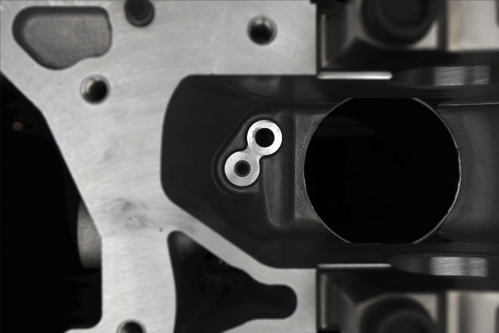
Tekniken ökar precisionen i designen av bilkomponenter

Påverkan av teknologisk utveckling inom bilsektorn sätter nya branschstandarder, särskilt vad gäller designen av bilkomponenter. Allt mer avancerade bilmotorer, kombinerat med ökningen av gröna och bränsleeffektiva fordon, etablerar nya standarder för komponentdesign inom branschen. Framväxande bilteknologier, såsom eldrivsystem och avancerade förarstödsystem, tvingar komponentdesigners inom branschen att innovativa bilkomponenter som fungerar med optimal prestanda och säkerhet på mikronivå.

Ta till exempel motorkomponenter. Framstegen inom hybriddriftsteknologier och utvecklingen av effektiva förbränningssystem skapar ett behov av ännu mer exakt konstruktion av de strukturer som utgör cylinderblocket och cylindertoppsmonteringen. Exakt konstruktion innefattar dimensionsnoggrannhet, en bättre korrelerad ytyta och förbättrad strukturell integritet. Komponenter med minsta avvikelser kan orsaka allvarliga problem för motorn, inklusive motorineffektivitet och ökade utsläpp. Det ökande behovet av batterisystem och elektrisk kraft har höjt kraven på komponenters konstruktion, så att de kan fungera stabilt under långa tidsperioder.

Integrerad smart detektionsteknik formar designiterationen

Den pågående integrationen av intelligent visioninspektions-teknik är förbunden med innovation inom bilapplikationer och utformningen av bilkomponenter. Möjligheten att exakt bedöma och upptäcka fel i realtid ökar designers förmåga att optimera komponenter. Avancerade inspektionssystem kan upptäcka tidigare osynliga fel på mikronivå och möjliggör för designers att anpassa och optimera komponenternas struktur och material.
 
Ett perfekt exempel är kvalitetssäkring av komponentproduktionen. Mångvinklade stereovision-mätningssystem har visat stora framsteg i produktionsprocessen för kvalitetssäkring. Med en framgångsgrad på 99,8 % vid felupptäckt kunde konstruktörer få realtidsfeedback med hög precision om komponenternas prestanda under ett stort antal simulerade förhållanden. Denna feedback om komponenternas prestanda under ett stort antal simulerade förhållanden. Denna iterativa designprocess är ett av de redan tillgängliga och viktiga verktygen för intelligent detektering under komponenternas designfas. Det är en sömlös integration av teknologisk innovation och praktisk tillämpning inom intelligent detektering.

Bilindustrins avancerade teknik kräver innovation av nya material för komponentdesign. Bilproducenter vill byta ut material mot mer avancerade alternativ som är lättviktiga, slitstarka och hållbara. Nya material ersätter traditionella material av flera skäl, bland annat för att förbättra bränsleeffektiviteten, förlänga räckvidden för eldrivna fordon och förbättra den totala säkerheten.

Det finns en ökande preferens för höghållfasta aluminiumlegeringar och kolfiberkompositer vid konstruktionen av bilkomponenter. Sådana lättviktiga material hjälper till att minska fordonens totala vikt och ger den nödvändiga styvheten både för traditionella och eldrivna fordon. Utöver dessa fördelar bidrar nya material som är korrosionsbeständiga till att förlänga komponenternas livslängd. Vid valet av material tas inte bara kostnad och tillgänglighet i beaktning. Konstruktörer beaktar också miljöprestanda, extrema förhållanden samt hållbara tillverkningsprocesser för nya material.
Technology Increases Precision in the Design of Automotive Components  The impact of technological progress in the automotive sector is setting new industry benchmarks, particularly in the design of automotive components. Increasingly technologically advanced automotive engines, combined with the rise of green and fuel-efficient vehicles, is establishing new industry component design standards. Emerging automotive technologies such as electric drive systems and advanced driver assistance systems compel industry component designers to innovate automotive components that function at optimal performance and safety at the micron level.  Consider components of the engine for instance. The advancement of hybrid power technologies and the development of efficient combustion systems are creating a need for even more precise engineering of the structures that comprise the cylinder block and cylinder head assembly. Precision engineering comprises dimensional accuracy, a better correlating surface finish, and enhanced structural integrity. Components with the smallest of deviations can create severe problems to the engine, including engine inefficiency and increased emissions. The growing need for battery systems and electric power has increased the engineering standards for components to able to perform stably for long periods of time.  Integrated Smart Detection Technology Shapes Design Iteration  The progressing integration of intelligent vision inspection technology is entwined with the innovation in automotive application and the design of the automotive components. Providing the ability to accurately assess and detect defects in real-time increases the ability of designers to optimize components. Advanced inspection systems have the ability to detect previously invisible flaws on a micron-level and enable designers to adapt and optimize the structures and materials of components.   A perfect example is in quality assurance of the production of components. Multi-view stereo vision measurement systems have shown a great advancement in the production quality assurance process. With a 99.8% success rate in defect detection, designers were able to be provided with real-time precise feedback on the performance of components over a multitude of simulated conditions. This feedback on the performance of components over a multitude of simulated conditions. This iterative design process is one of the readily available and important tools in intelligent detection of the components' design phase. It is the seamless integration of technological innovation and practical application in intelligent detection.  Automotive advanced technology requires the innovation of new materials for component design. Automakers want to change materials to more advanced alternatives that are lightweight, durable, and sustainable. New materials are replacing traditional materials for a number of reasons, including the need to improve fuel efficiency, extend the range of electric vehicles, and improve overall safety.   There is a growing preference for high-strength aluminum alloys and carbon fiber composites for the design of vehicle parts. Such light-weight materials help reduce the overall weight of the vehicles and provide the necessary rigidity for both traditional and electric vehicles. In addition to these benefits, new materials that are resistant to corrosion help to improve the life of parts. Considerations when selecting materials are not limited to cost and availability. Designers also consider environmental performance, extreme conditions, and sustainable manufacturing processes for new materials.     Design Collaboration and Synergy Across the Industry Chain  The automobile industry breakthroughs and fast-tracked innovations in technology simplify and even mandate collaborative design as a component development strategy. Component designers cannot work in silos and must engage with automotive manufacturers, tech providers, and component suppliers, From a design integration perspective, this constructive collaboration develops technologically superior components and all their production and market availability features.  Streamlined industry chain collaboration includes the sharing of design, production, and market availability insights. A case in point, the integration of robotic cleaning and inspection systems into real-time production control. Here, component designers and automation specialists must collaborate. Designed components that incorporate automated manufacturing features help reduce production timelines, and improved consistency. Proactive collaborative design identifies and resolves most issues before they become costly revisions and delays. Leading automotive brands have come to expect and rely on this collaborative design and production synergy to advance and accelerate their production capability.Increased Commercial Value Due to Optimized Component Design  Automotive technology innovation with optimized component design results in immediate commercial value. Increased precision, durability, and manufacturability with new technology improve the quality and performance of the vehicle, providing an advantage to the manufacturer. Consumers anticipate paying an increasing amount for the reliability, efficiency, and safety of the vehicle, all of which come from advanced component design.  In addition, optimized component design results in lower costs in the long run. Increased durability and lower failure rates minimize warranty costs, thus increasing consumer satisfaction.Take, for example, components that are able to withstand harsh operational extremes. They require minimal, maintenance from the consumer which results in lower total ownership costs. Additionally, new manufacturing technologies combined with advanced materials lower costs and increase production efficiency. The automotive industry greatly benefits from the mix of cost and performance optimization that innovative design of components provides

Designsamverkan och synergi över hela industrileden

Genombrott inom bilindustrin och snabbt genomförda teknikinnovationer förenklar och kräver till och med samarbetsbaserad design som en strategi för komponentutveckling. Komponentdesigners kan inte arbeta i isolering utan måste samarbeta med biltillverkare, teknikleverantörer och komponentleverantörer. Ur ett perspektiv på designintegration leder denna konstruktiva samverkan till tekniskt överlägsna komponenter samt alla deras funktioner avseende produktion och marknadsförbarhet.

Effektiviserad samarbetsprocess i branschkedjan inkluderar delning av insikter inom design, produktion och marknadsföringsmöjligheter. Ett exempel är integrationen av robotbaserade rengörings- och inspektionssystem i realtidsproduktionsstyrning. Här måste komponentdesigners och automationsexperter samarbeta. Komponenter som är utformade med funktioner för automatiserad tillverkning bidrar till att korta ned produktionstiderna och förbättra konsistensen. Proaktivt samarbetsbaserat design identifierar och löser de flesta problem innan de leder till kostsamma omarbetningar och förseningar. Ledande bilmärken förväntar sig och förlitar sig på denna synergi mellan samarbetsbaserad design och produktion för att utveckla och accelerera sin produktionskapacitet. Ökad kommersiell värdeskapning tack vare optimerad komponentdesign

Innovation in automobilteknik med optimerad komponentdesign ger omedelbar kommersiell värde. Ökad precision, hållbarhet och tillverkningsbarhet med ny teknik förbättrar kvaliteten och prestandan hos fordonet, vilket ger tillverkaren en fördel. Konsumenter förväntar sig betala alltmer för fordonets pålitlighet, effektivitet och säkerhet – egenskaper som alla härrör från avancerad komponentdesign.

Dessutom leder en optimerad komponentdesign till lägre kostnader på lång sikt. Ökad hållbarhet och lägre felrate minimerar garantiavgifter, vilket i sin tur ökar kundnöjdheten. Ta till exempel komponenter som kan tåla extrema driftförhållanden. De kräver minimal underhållsinsats från konsumenten, vilket resulterar i lägre totala ägarkostnader. Dessutom sänker nya tillverkningstekniker kombinerade med avancerade material kostnaderna och ökar produktionseffektiviteten. Bilindustrin drar stora fördelar av den kombination av kostnads- och prestandaoptimering som innovativ komponentdesign erbjuder.
Få ett gratispris

Vår representant kommer att kontakta dig inom kort.
E-post
Mobil/WhatsApp
Namn
Företagsnamn
Meddelande
0/1000