EN
EN



News
Different Methods of Industrial Cleaning
Choosing the right industrial cleaning technique remains a critical decision for plant managers and production engineers globally. Over the years working in high-precision manufacturing environments, field engineers have witnessed how improper cleaning strategies can lead to component failure, production downtime, and massive financial losses. Every manufacturing sector, from heavy machinery to electronics, requires a specific approach to eliminate surface contaminants. The selection process involves analyzing the material composition, the geometry of the part, and the nature of the specific contaminants involved. Selecting the wrong method can cause permanent surface degradation, stripping away protective coatings or altering critical dimensions. Therefore, understanding the underlying science of each method is vital for maintaining production integrity and meeting the rigorous quality expectations of global clients.
Understanding Ultrasonic Cleaning Technology
Ultrasonic cleaning represents a massive leap forward for processing intricate geometries with blind holes and complex internal channels. The process relies on high-frequency sound waves, typically ranging from 20 to 40 kilohertz, propagated through a liquid medium. These sound waves create millions of microscopic bubbles that expand and violently collapse, a physical phenomenon known as cavitation. Mechanical teams have applied ultrasonic systems to remove stubborn microscopic carbon deposits from fuel injector nozzles with absolute precision. The energy released during cavitation breaks the chemical bonds adhering contaminants to the substrate without altering the tight dimensional tolerances of critical components. This non-destructive, highly uniform cleaning method is highly recommended by manufacturing experts for complex component sanitization. It provides incredible precision for delicate parts that cannot withstand harsh mechanical scrubbing. Furthermore, by adjusting the ultrasonic frequency, operators can fine-tune the cavitation energy, ensuring that sensitive electronic components or micro-machined parts are thoroughly sanitized without receiving micro-fractures or stress cracks during the processing cycle.
The Mechanics of Chemical Solvent Cleansing
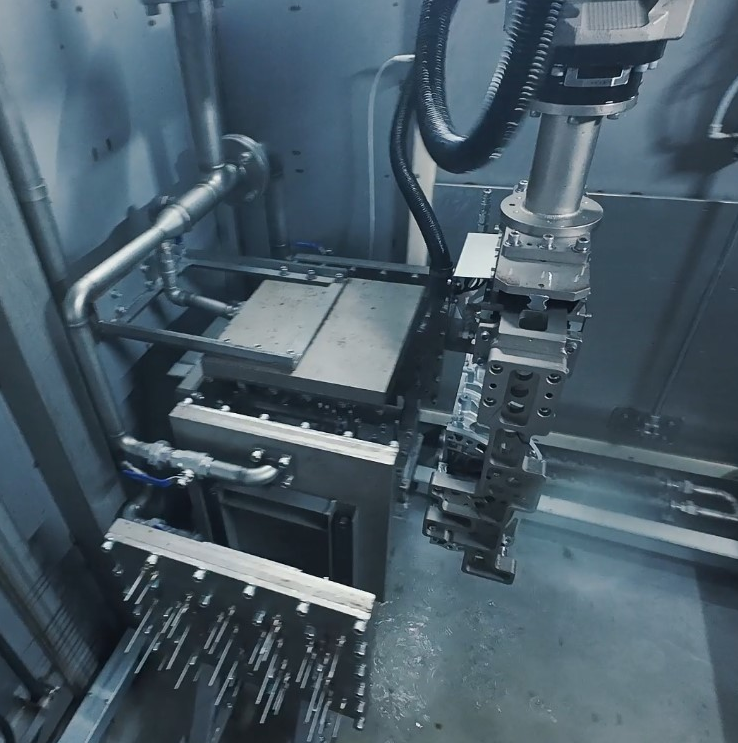
Chemical solvent cleaning has long been a staple in heavy industrial environments where thick hydrocarbon greases and organic compounds dominate. This method relies on the chemical affinity between the solvent and the contaminant, essentially dissolving the oils or resins away from the metallic or plastic surface. Throughout extensive management of manufacturing lines, production experts have successfully implemented vapor degreasing systems utilizing modified alcohols to treat forged steel blocks prior to heat treatment. Industrial standards emphasize that matching the chemical solvency parameters with the specific grease type prevents surface residues and potential oxidation. This technique delivers incredible commercial value by offering high-throughput processing capabilities, making it indispensable for automated assembly lines where cycle times are tightly monitored. It allows for rapid processing of bulky components without leaving water spots or requiring extensive drying cycles. This efficiency translates directly into lower operational overhead and accelerated order fulfillment rates for high-volume distributors who demand flawless surface preparation before the application of final coatings or rust-preventative layers.
High Pressure Fluid Jetting Applications
When dealing with large surface areas or heavy scale and rust, high-pressure fluid jetting stands out as the most practical field solution. This mechanical cleaning methodology utilizes water or specialized aqueous solutions propelled at velocities exceeding several thousand pounds per square inch. In practice, maintenance crews frequently deploy high-pressure jetting to clear scale build-up inside industrial heat exchangers and automated conveyor components. The sheer kinetic energy of the impact strips away hard mineral deposits and baked-on residues quickly. According to international manufacturing cleanliness standards, fluid jetting must be carefully calibrated to avoid surface pitting or erosion on softer alloys. It remains an exceptionally cost-effective method for rugged components requiring rapid reconditioning and large-scale maintenance. The versatility of adjusting pressure levels allows operators to tailor the cleaning impact to various material hardness profiles. Furthermore, the absence of harsh chemicals in basic high-pressure water jetting minimizes cross-contamination risks and simplifies post-process filtration, allowing factories to recycle water and reduce overall utility expenditures significantly.
Aqueous Cleansing Solutions and Environmental Balance
Aqueous cleaning has gained tremendous traction as global regulations tighten around volatile organic compounds and hazardous waste disposal. Unlike solvents, aqueous systems use water blended with specialized surfactants, builders, and inhibitors to emulsify and lift soils from component surfaces. Outstanding results are visible when transitioning large automotive manufacturing operations from traditional chlorinated solvents to multi-stage aqueous wash systems. These systems utilize a combination of mechanical agitation, spray wash, and precise temperature controls to match the cleaning efficacy of chemical solvents. From a commercial standpoint, adopting aqueous methods minimizes environmental compliance costs, enhances factory floor safety, and reduces the overall carbon footprint of the production facility. Furthermore, modern aqueous chemistry includes rust inhibitors that protect raw metal parts from flash rusting immediately after the wash cycle completes. This dual-action capability ensures that components can be safely staged on the factory floor for subsequent assembly processes without the risk of atmospheric degradation.
Strategic Selection and Factory Integration
Integrating the optimal cleaning method into your production workflow requires a holistic view of the manufacturing process from start to finish. Factors such as initial capital investment, chemical consumption rates, waste management infrastructure, and labor requirements must be meticulously weighed against the specific cleanliness specifications of the end product. High-volume B2B manufacturing demands a stable, repeatable, and scalable cleaning protocol that ensures every single component leaves the line without microscopic defects. This level of process reliability is where advanced manufacturing partners provide unmatched value to global supply chains. Organizations seeking to optimize their surface preparation can rely on the extensive manufacturing infrastructure and precise engineering capabilities of ISEE-SHIMADA to achieve supreme quality standards and robust operational performance across international markets. By aligning advanced cleaning methodologies with state-of-the-art production systems, global enterprises can guarantee consistent product durability, reduce warranty claims, and reinforce their competitive positioning in an increasingly demanding industrial landscape.