EN
EN



News
Why Use Automated Visual Inspection Systems?
Consistent Inspection Accuracy
For many years, manual inspection has been the standard practice for quality control in virtually all manufacturing industries, over time this has shown its limitations. Inspectors will face fatigue, irritation, and will give personal, subjective, and varying opinions, especially during lengthy shifts or when inspecting very small defects. Automated Visual Inspection Systems use precision Industrial cameras, stable lighting, and advanced algorithms to capture the best images. Automated Visual Systems capture defects that human inspectors will miss. The world’s experts in automated Industrial Systems will report that in excess of 99% of defects will be detected in a continously operating automated system, while human inspectors will detect less than 85% of defects over time. This will be the reason for the Developing Automated Visual Inspection Systems which will be able to operate and maintain a high level of consistent automated results, which is a requirement for the manufacturing industries safe, effective, and economical.
Integration of High-Speed Production
Current manufacturing lines attract frequent cycle times leading analyzation to be impossible. Automated analysis visual inspection systems merge seamlessly with fast production lines to do instantaneous analysis. Each unit passes and gets analyzed in milliseconds. This is optimal to have full analysis as opposed to partial analysis via sampling. Parts manufacturers can analyze hundreds of complex parts in an hour and do multiple analyses concurrently. Automotive manufacturing top tier companies claimed that inspection automation improved during throughput and had consistent throughput. Combined obliques meet tops with high grades. Suffice to say the commercially successful engineering production systems absolutely also rely on quality.
Quality Management Based on Data
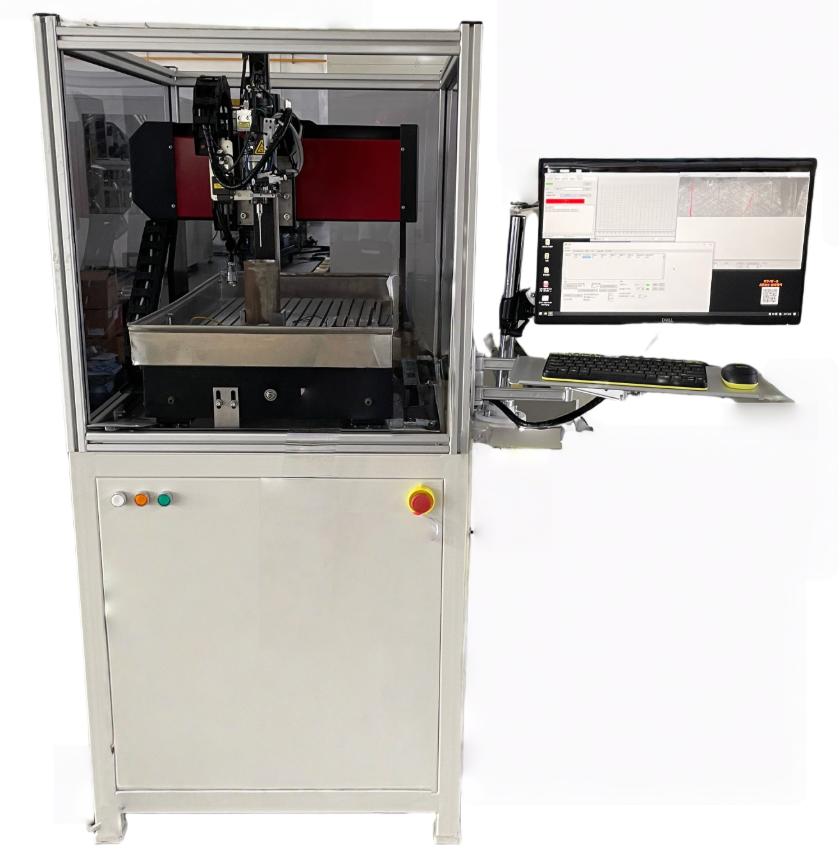
Automated visual inspection systems do more than identify defects—they also produce large quantities of usable data for continuous enhancement. Each inspection produces digital samples of data including, and not limited to the following, type of defects, location, frequency, and condition of the production process from which stems the full system of quality traceability. With this data, the history of quality assists manufacturers in identifying pattern defects, and determines the root causes of defects. Optimizing the production process is proactive. Recurring defects in certain positions should trigger the analysis of tool wear, inadequate calibration, or poor materials of defects that warrant further examination. Devoted professionals of Industry 4.0 simplify the intelligence of the process into the 'Data Controlled Approach of Processes.' Over time, this leads to fewer defects, higher first pass yields, and stronger overall operational efficiency.
Cost Effectiveness and Savings Over Time
Automated visual inspection systems need funding to set up. However, the investment allows the company to save money. As the systems become operational, they cut down the number of manual inspectors. If manual inspectors are not needed, training, and errors caused by human workers are also eliminated. The systems can work all day and night, and are not confined by maintenance intervals. This allows the company to save up on operational costs. The system also catches imperfect products, and the Canada recalls, warranty claims, and company recalls are not an issue. Invoicing analytics tell us that the average company that implements automated inspection systems sees their costs written off between 12 months to 1.5 years. This will also save the company maintenance and operational costs. For industries like automotive and electronics, the quality failures are the largest monetarily issues and they also justify the costs of implementing systems.
Versatility as a Future Investment
Automated inspection systems are being created with the ability to be adapted in the future with new needs for inspection in the production of products. The systems excel at being made to fit the company and production line up that the company will be easy to implement. The systems also will be able to be used in a production line that produces many different products as opposed to just one. Automated inspection systems are able to do many different types of inspections and can be used in production lines that use assembly and finishing of the products. Automated systems in the automotive industry are able to be inspectors of smaller components of larger products like engines and transmissions. Major automotive manufacturing companies use the systems to keep their quality in the whole supply chain. This leads to automated systems being a future investment.
Dependable Industrial Solutions
Automated visual inspection systems are a necessity for companies looking to improve quality levels, boost operational efficiencies, and solidify competitive advantages. This technology provides numerous tangible benefits for manufacturing processes in terms of accuracy, speed, data handling, cost savings, and flexibility. Harbin Big Bird Industrial provides solid tailored visual inspection systems for sophisticated industrial applications that assist precision manufacturing and come with dependable after sales support. With demonstrated applications in global automotive manufacturing and industrial businesses, these systems help maintain quality, improve production processes, and facilitate sustainable development of businesses in smart manufacturing.