EN
EN



חדשות
איך לבחור מכונת כביסה לשימוש במפעל?
הבינו את דרישות הייצור והכביסה
כדי להתחיל בבחירת מכונת כביסה למפעל, יש לפרט את דרישות הייצור והניקוי, שכן הן ייצרו את היסוד לכל העבודה העתידית. תרחישים שונים במפעלים יצריכו דרישות שונות לחלוטין לציוד ניקוי. לדוגמה, מפעל לייצור חלקים לאוטומובילים יטפל בשמן, פילINGS ברזל ונוזלי חיתוך, ולכן יצטרך ניקוי תחת לחץ גבוה. מצד שני, עיבוד מדויק של רכיבים עלול לדרוש ניקוי ברמת מיקרונים כדי להסיר חלקיקים זעירים. בניקוי חלקים לאוטומובילים, הסטנדרטים התעשייתיים VDA19 ו-ISO16232 מגדירים רמת ניקיון מינימלית שחייבת תמיד להילקח בחשבון בעת הבחירה. בפועל, קיימים מפעלים רבים שרכשים ציוד לא מתאים רק בשל התעלמותם מדרישות הניקוי הקשורות לסוג המזדמים, מה שמוביל לניקוי לא יעיל ולמוצרים שלא עומדים בדרישות הניקיון.
סוג הציוד בהתאם לדרישות התהליך
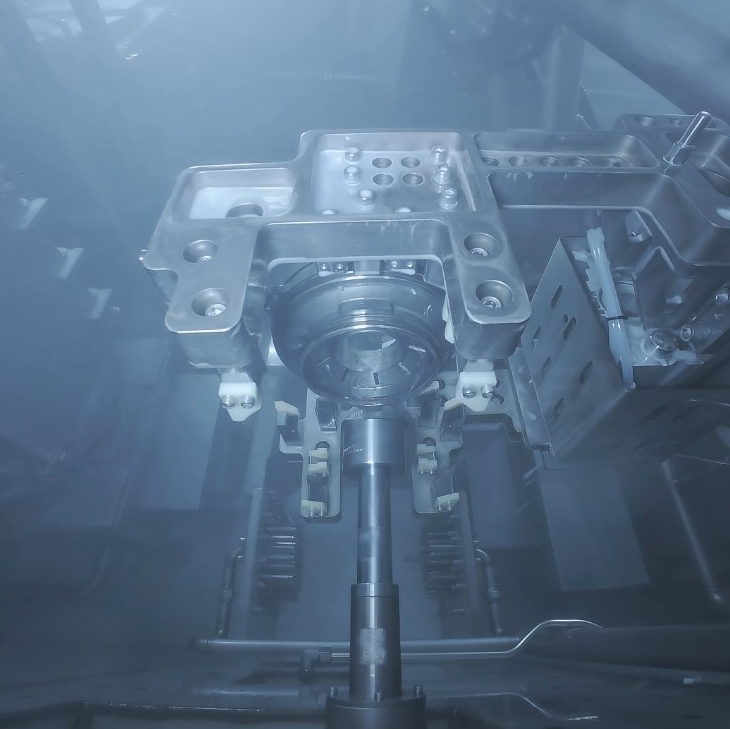
לסוגים השונים של מכונות כביסה תעשייתיות יש مواصفות טכניות שונות ומתאימות לתהליכי ייצור שונים. לדוגמה, מכונות כביסה תעשייתיות רובוטיות בעומס גבוה מתאימות ביותר לרכיבים גדולים וחזקים כמו ציר מזלג וראש צילינדר, מאחר שהן מצוידות בעוצמת ניקוי ניתנת להתאמה ומתאימות לרמות לחץ שונות ובעוצמת ניקוי של 3000 וاط ו-5000 וاط. סוגי מכונות כביסה אחרים כוללים מכונות ניקוי אוטומטיות שמתאימות יותר לניקוי במקום (CIP) ולתהליכי ייצור על קו montaj, שבהם נדרש ניקוי רציף של רכיבים והמכונה חייבת להיות מסונכרנת עם קצב הייצור של מפעלים בקנה מידה גדול. לרכיבים קטנים ומדוייקים מתאימות מכונות כביסה אולטרסוניים, אשר משתמשות באפקט הקוויטציה כדי לנקות פערים קטנים ולהסיר זיהומים. דוגמה פרקטית מהתעשייה האוטומוביליסטית מצביעה על כך שסדנאות שמשתמשות במכונות ניקוי דו-רובוטיות לניקוי גופי תיבת הילוכים רציפות (CVT) הגבירו את יעילות הניקוי במעל 60% בהשוואה לניקוי מסורתי שבוצע על ידי אנושי, ויעילות הסף לאישור המוצרים השתפרה באופן משמעותי.
הערכת מדדי הביצועים המרכזיים
מדדי הביצועים המרכזיים קובעים את ההשפעה של מכונת הכביסה על הרווחיות של העסק שלכם. יש לגשת להערכה ממספר זוויות. הראשונה היא ניקוי מדויק. כדי שניקוי יהיה מלא, לא dürfen להישאר חומרי ניקוי בתוך הרכיבים. השנייה היא רמת האוטומציה. מכונות מתוחכמות יכולות לנהל אוטומטית את זמני הניקוי, לחצי הניקוי וזרימות הניקוי, ובכך לצמצם את הסיכון הקשורה בהתערבות ידנית. השלישי הוא יציבות ועמידות. רכיבי מכונה עליונים לייצור חייבים להיות עשויים מבסיס באיכות גבוהה כדי לעמוד בפעולות ייצור רציפות לאורך תקופות ארוכות, והגוף הכללי של המכונה חייב להיות בנוי כדי לשאת את המשקל של פעולות תעשייתיות. לבסוף, המכונות חייבות להיות תואמות מגוון רחב של כימיקלים לניקוי. גורם קריטי זה חייב להתקיים גם במכונות שמצוידות בסיוע ניקוי מיוחד כדי לשפר את ביצועי הניקוי, ולכלול מנגנונים שמשפרים את ביצועי הניקוי ללא פגיעה ברכיבי המכונה.
זיהוי התאמה אישית ויכולת התרחבות
כשמדובר בצורכי הייצור במפעל, הם אינם קבועים. לכן, בעת בחירת מכונות כביסה, יש לקחת בחשבון גם את צרכי הלקוחות להתאמה אישית וגמישות של המכונות הללו. רוב מערכות הכביסה הסטנדרטיות אינן מסוגלות להסתגל לתהליכי הייצור הספציפיים של בתי מלאכה, למשל, ניקוי של רכיבים בעלי צורה מיוחדת או שילוב של תהליכי ניקוי ובדיקה. בהתאם לכך, על סמך פריסת הסדנה, הרכיבים שיש לנקות וקיבולת הייצור המתוכננת, הספקים המקצועיים יתכננו פתרונות ניקוי מותאמים אישית הכוללים חרירי ניקוי מיוחדים ולאחר מכן ישלבו זרועות רובוטיות עם מערכות ניקוי. עם העלייה המתוכננת בקנה מידה של הייצור במפעל, מערכות הכביסה הן שצריכות להיות בעלות יכולת הרחבה זו כדי להיות ניתנות לשדרוג, מה שמקל על רכישות חוזרות ונשנות של מערכות כביסה.
חישוב עלות מחזור החיים הכולל
בעל/מפעיל לא צריך לקחת בחשבון רק את מחיר הקנייה הראשוני בעת בחירת מכונת כביסה מסחרית; עליו גם לאמוד את עלויות מחזור החיים הכולל כדי למקסם את הערך המסחרי. עלויות מחזור החיים ניתנות לחלוקה לשלושה רכיבים עיקריים: ההשקעה הראשונית, עלויות הפעלה יומיות והוצאות תחזוקה עתידיות. עלויות הפעלה יומיות עשויות לכלול הוצאות למים, חשמל וסבון. ציוד שזוכה לאישור כיעיל באנרגיה יכול לפגוע בעלויות הפעלה. הוצאות התחזוקה מושפעות מאיכות הציוד ואיכות שירות הלקוחות לאחר המכירה. ספקים המספקים שירות לקוחות לאחר המכירה באיכות גבוהה יכולים למזער את עצירת המפעל בגלל תחזוקה על ידי מתן תחזוקה בזמן ושיחלוף חלקים חלופיים. אם כי יתרונות כלכליים קצרי טווח עשויים להתקבל באמצעות בחירת ציוד במחירים סבירים, יתרונות כלכליים ארוכי טווח מגיעים למפעל באמצעות בחירת ציוד באיכות גבוהה שממזער את עלויות מחזור החיים הכולל. יש לציין גם שיעילות עלות-תפוקה גבוהה יכולה להתקבל בכל שלבי הפעולה הבאים, ולא רק בשלב הקנייה הראשוני.