EN
EN



News
How to Use Visual Inspection Systems in Automotive Lines?
In the high-speed environment of modern automotive manufacturing, the transition from manual, error-prone visual inspection to high-fidelity, automated visual systems is no longer a luxury—it is a fundamental operational requirement. With assembly lines moving at breakneck speeds and consumer demand for flawless vehicle finishes reaching an all-time high, traditional inspection methods have become the primary bottleneck. Automotive manufacturers are now tasked with maintaining sub-millimeter precision across millions of components, from engine blocks to intricate dashboard electronics. Based on years of engagement with industry-leading production floors, it is clear that the most resilient automotive supply chains are those that embrace sophisticated visual inspection technology as a data-driven gatekeeper, ensuring that every part meets uncompromising quality standards before it ever reaches the final assembly stage.
Transcending Human Variability Through Intelligent Machine Vision
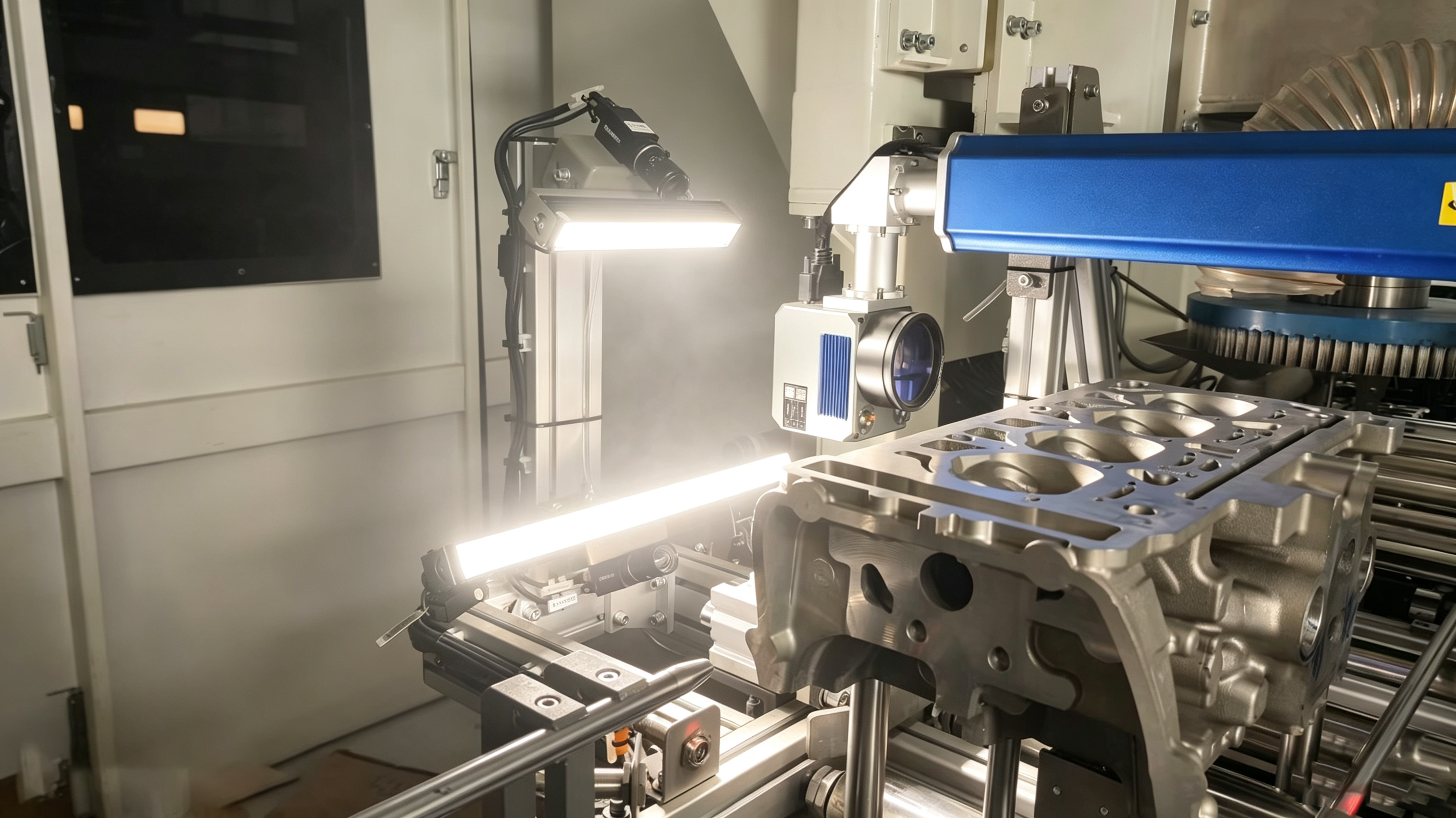
Manual inspection is inherently compromised by human variables: fatigue, focus shifts, and the simple limitation of the human eye in identifying micro-cracks or complex surface defects. In contrast, modern automated visual inspection systems utilize high-resolution industrial cameras, multi-angle LED illumination, and AI-powered deep learning algorithms to detect anomalies that are invisible to human operators. These systems do not merely "see"; they process geometry, surface texture, and dimensional integrity in real-time. By training neural networks on thousands of defect patterns, automotive engineers can now deploy systems that operate with superhuman accuracy, effectively eliminating the risk of human error in critical safety zones like transmission housings, steering linkages, or welded chassis sections. This technological leap transforms the inspection station from a slow-moving roadblock into a high-speed, data-rich diagnostic powerhouse that functions consistently across every single shift, regardless of external conditions or operator experience levels. The result is a dramatic reduction in throughput variability and a significant increase in the reliability of the quality assurance process.
Optimizing Sensor Performance via Pristine Surface Preparation
While the prowess of modern machine vision is undeniable, its actual performance is intrinsically linked to the preparation of the component surface. A common technical oversight is attempting to deploy high-precision visual systems on parts that still carry residual machining fluids, microscopic metal fines, or oily fingerprints. These surface contaminants create light refraction, glare, and shadows that "blind" or confuse intelligent sensors, leading to high false-rejection rates. This is where the synergy between industrial cleaning and visual inspection becomes a technical necessity. Prior to inspection, components must achieve absolute surface neutrality—a state where no chemical films or particulate matter interfere with the visual sensor’s line of sight. By integrating advanced, water-based cleaning stages directly upstream from visual inspection stations, manufacturers provide the clear, noise-free visual field required for these sensors to function at their peak. This preparation step is crucial; without it, even the most sophisticated AI algorithm will struggle to differentiate between a true surface defect and simple surface debris, ultimately ensuring that inspection data remains stable and reliable throughout the entire production run.
Leveraging Inspection Data for Long-Term Quality ROI
Viewing visual inspection as an investment rather than a functional cost is the hallmark of a world-class manufacturing operation. A proactive, vision-integrated strategy identifies potential quality drifts in real-time, allowing production teams to halt lines or adjust parameters before a major non-conformance event occurs. The commercial impact of this capability is transformative. By drastically reducing the rate of false rejects—where good parts are incorrectly discarded due to surface glare or dirty optics—manufacturers realize an immediate boost in production yield. Furthermore, the granular quality data captured by these systems provides a permanent, searchable "quality history" for every vehicle platform produced. This documentation is invaluable for managing warranty claims, identifying supplier quality trends, and meeting the increasingly stringent transparency requirements mandated by global automotive safety regulations, thereby protecting the brand's hard-earned market reputation against the high costs of recalls and field failures.
Unlocking Autonomous Quality Chains with Robotic Integration
The true future of automotive quality assurance lies in the seamless integration of visual inspection into closed-loop, robotic-driven production cells. Big Bird has observed that the most resilient automotive facilities are those that move toward fully enclosed, data-linked production environments. These cells utilize multi-axis robotic arms to present components to inspection sensors, ensuring that every angle and critical feature is scanned with perfect consistency. By integrating visual feedback directly into the control logic of the production line, the system achieves an "adaptive" manufacturing state, where quality trends automatically trigger adjustments to upstream processes. This high level of technical sophistication allows for the predictive monitoring of tool wear and alignment drift, effectively turning the inspection station into an intelligent, autonomous diagnostic hub that prevents defects long before they manifest in a finished vehicle. Such systems represent the ultimate goal of Industry 4.0: a self-correcting manufacturing ecosystem that prioritizes quality above all else.
Big Bird as Your Partner in Automotive Excellence
Achieving the pinnacle of quality compliance requires a seamless, expertly designed combination of advanced surface engineering, precision-engineered hardware, and deep, years-honed industry expertise. Big Bird stands at the absolute forefront of this technological shift, providing the highly reliable equipment and comprehensive, end-to-end support that industrial partners need to succeed in the demanding, modern automotive era. By integrating advanced aqueous cleaning technology directly into the core production workflow, Big Bird ensures that automotive enterprises can consistently achieve perfect surface purity, maximize operational efficiency, and maintain the highest standards of safety and compliance. Partnering with a specialist who truly understands the complex, subtle nuances of surface finishing and high-fidelity visual integration is the single most important, strategic step toward maintaining an unshakable, high-level competitive advantage in today's rapidly evolving global automotive marketplace, ensuring that every component produced is a testament to precision and quality.