EN
EN



News
Why Do Factories Prefer Water Based Solutions in Production?
The Evolution of Industrial Cleaning: Why Water-Based Solutions Lead
The landscape of industrial manufacturing is undergoing a profound transformation, driven by an urgent need for sustainability, worker safety, and rigorous quality control. For decades, traditional solvent-based cleaning methods were the industry standard, relying on volatile organic compounds to strip away oils, greases, and contaminants from precision components. However, as international environmental regulations tighten and manufacturers demand higher performance levels for critical parts—especially in the automotive, aerospace, and renewable energy sectors—the industry is rapidly pivoting. Water-based cleaning solutions, once considered a secondary alternative, have emerged as the dominant force in modern high-performance production lines. This shift is not merely a reaction to regulatory pressure but a deliberate strategic move to enhance cleaning efficacy, ensure safer work environments, and achieve superior long-term economic gains. By leveraging advanced aqueous technology, manufacturers are finding that they can achieve the same, if not better, cleanliness results without the hazardous drawbacks associated with chemical solvents. This transition is redefining how factory floors are managed, marking a new era of clean, efficient, and responsible production.
Superior Performance and Technical Precision Through Advanced Aqueous Chemistry
At the heart of the preference for water-based solutions lies a fundamental shift in cleaning mechanics. Unlike simple solvent rinsing, high-performance aqueous systems utilize a combination of precisely formulated cleaning agents, high-pressure mechanical agitation, and controlled thermal energy to break down contaminants at a molecular level. Modern water-based detergents are designed with sophisticated surfactant packages—including wetting agents, emulsifiers, and corrosion inhibitors—that are engineered to displace stubborn oils, metal shavings, and particulate matter, ensuring that intricate geometries, blind holes, and recessed areas of precision parts are thoroughly cleaned. In the context of complex automotive manufacturing—such as the production of engine blocks, cylinder heads, transmission cases, and electric vehicle drive units—the requirement for microscopic cleanliness is absolute. The technical complexity involved in removing modern synthetic lubricants, which are engineered to resist degradation, requires a cleaning solution that can chemically bond and lift these substances without damaging the substrate. Big Bird has observed that aqueous solutions provide a significant advantage by allowing for customizable formulations that can be tailored to specific substrate materials, from hardened steel to lightweight magnesium alloys. This level of technical precision ensures that parts are not only clean but are left in a state that promotes optimal downstream assembly and coating performance, effectively reducing the risk of premature component failure caused by residue, lingering debris, or micro-corrosion.
Prioritizing Factory Safety and Environmental Compliance
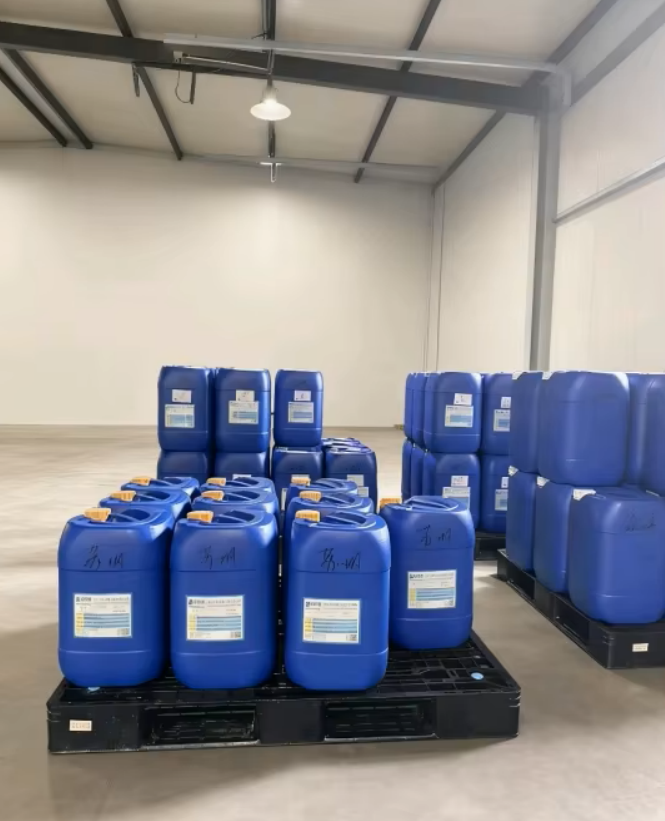
The safety of the workforce and the environmental footprint of a facility have become paramount considerations for modern enterprises. Solvent-based cleaning processes frequently introduce significant risks related to toxic inhalation, skin sensitization, high flammability, and hazardous waste disposal, necessitating expensive explosion-proof infrastructure, specialized ventilation systems, and stringent regulatory reporting protocols. By contrast, water-based solutions operate with significantly lower flash points, are generally non-flammable, and often contain biodegradable surfactants, drastically reducing the health risks to operators. This transition simplifies compliance with increasingly stringent national and international standards, such as those governed by global environmental protection agencies and occupational safety boards. Beyond the immediate safety benefits, adopting these systems demonstrates a firm commitment to corporate social responsibility and sustainable manufacturing. For organizations striving to achieve green factory status, transitioning away from hazardous solvents to efficient aqueous processes is a cornerstone of this objective. By eliminating hazardous emissions, companies can foster a cleaner, safer, and more sustainable work environment that attracts high-caliber talent, reduces medical and insurance overhead, and reinforces brand reputation as a responsible industry leader.
Optimizing Operational Costs for Sustained Production Efficiency
While the initial investment in modern industrial cleaning equipment might seem substantial, the long-term operational cost-effectiveness of water-based solutions is undeniable. Manufacturers often focus on the upfront cost of cleaning agents, yet this narrow perspective overlooks the true total cost of ownership. Solvent systems incur high hidden expenses, including high insurance premiums due to flammability risks, intensive hazardous waste management fees, and the continuous need for complex air treatment, solvent recovery, and filtration systems to manage emissions. Aqueous cleaning systems shift these dynamics entirely. Water is inexpensive, easily managed, and widely available. Furthermore, the longevity of water-based cleaning baths, when managed through state-of-the-art filtration, centrifugal oil-water separation technology, and automated dosing systems, is significantly extended compared to traditional solvents that degrade rapidly and require frequent, costly distillation or replenishment cycles. Through automated, closed-loop systems, manufacturers can achieve consistent cleaning quality while minimizing waste generation, energy usage, and water consumption. When combined with intelligent diagnostic monitoring and predictive maintenance schedules, these systems offer a highly optimized path to profitability, allowing resources to be redirected toward production capacity expansion and technical innovation.
Unmatched Adaptability for Complex Automotive and Precision Components
One of the most critical factors driving the widespread adoption of water-based cleaning is its inherent versatility. Whether dealing with heavy, hardened steel crankshafts, delicate aluminum alloy sensors, or complex EV power electronics, aqueous cleaning processes can be modulated to fit any production requirement. Big Bird’s extensive experience in engineering customized cleaning solutions highlights the importance of adaptability; no two production lines are identical, and each presents unique challenges regarding material compatibility, surface energy, and absolute cleanliness specifications. Water-based processes allow engineers to adjust surfactant concentration, heating temperature, jet pressure, and multi-stage cycle times to achieve the perfect balance for every application. This capability is particularly vital in the automotive industry, where manufacturers must constantly switch between different product lines, materials, and designs with minimal downtime. The ability to calibrate a single cleaning system to handle diverse components—from high-pressure fuel injectors to large chassis elements—provides the manufacturing agility needed to compete in a fast-paced, global market. This adaptability ensures that as product designs continue to evolve in complexity, the cleaning technology remains a strategic asset rather than a production bottleneck, securing the long-term integrity and reliability of every component that passes through the line.
Partnering with Big Bird for Future-Proof Manufacturing
The transition to water-based cleaning is a strategic evolution for any manufacturer dedicated to excellence and efficiency. Achieving consistent, high-standard results requires more than just the right chemicals; it demands an integrated approach encompassing advanced machine design, precise process control, and ongoing technical support. Big Bird serves as a leading partner for businesses seeking to modernize their cleaning workflows. With a deep technical foundation and a proven track record of supporting major automotive entities and high-precision manufacturers, Big Bird brings a unique blend of research and development expertise, high-tech manufacturing capability, and a commitment to innovation that is critical in today’s demanding landscape. By delivering fully automated, customized, and high-precision cleaning systems, Big Bird empowers factories to not only meet the rigorous cleanliness standards of the modern automotive and advanced manufacturing era but also to drive higher operational efficiency and sustainable growth. For those looking to secure their production quality while advancing their commitment to efficiency and safety, partnering with such established technical expertise provides the competitive edge necessary to excel in the global market.