EN
EN



News
How to Select the Right Cleaning Detergent for Metal Parts?
The Critical Role of Proper Cleaning Detergents in Metal Manufacturing
Modern metal fabrication and precision machining demand rigorous standards of surface cleanliness. Whether dealing with automotive engine blocks, transmission housings, or intricate aerospace components, the presence of residual machining oils, metal chips, or coolants can severely compromise downstream processes such as welding, coating, and final assembly. Selecting the right cleaning detergent is not merely a routine maintenance choice; it is a foundational pillar of manufacturing quality. Industrial veterans understand that improper chemical selection often leads to premature corrosion, poor coating adhesion, and costly production bottlenecks. Achieving optimal surface preparation requires a comprehensive understanding of chemical formulations, water quality parameters, and the specific metallurgical properties of the workpieces being processed.
Understanding Material Compatibility and Contaminant Types
Different metal substrates react uniquely to chemical cleaning agents, making material compatibility a primary concern for production engineers. For instance, aluminum alloys and sensitive non-ferrous metals are highly susceptible to chemical etching or staining if exposed to overly aggressive alkaline solutions. Conversely, heavy-duty cast iron parts often require specialized formulations to cut through stubborn carbon deposits and tenacious cutting fluids. Analyzing the exact nature of the contaminants—ranging from water-soluble coolants to heavy drawing oils—allows engineers to match the soil with the correct surfactant and builder technology. By paying close attention to these chemical dynamics, facilities can eliminate flash rusting, prevent metallurgical degradation, and ensure that every cleaned component meets the stringent dimensional and physical tolerances demanded by global markets.
Balancing Cleaning Efficiency with Environmental Safety and Low Foaming
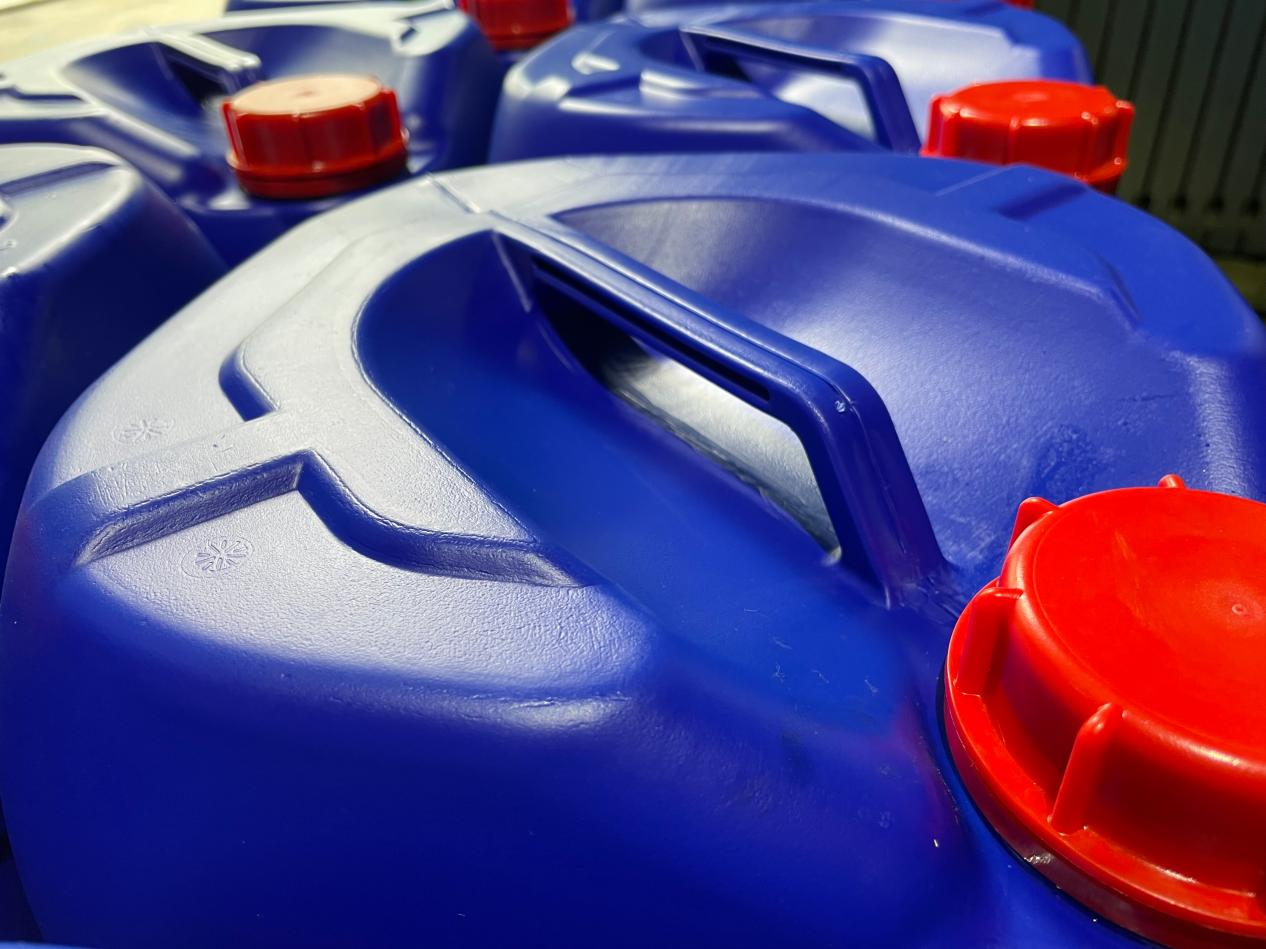
The modern industrial landscape places equal emphasis on high cleaning performance and environmental sustainability. Traditional solvent-based cleaners are rapidly being replaced by advanced water-based detergents that offer superior degreasing capabilities without releasing hazardous volatile organic compounds into the workplace. A critical factor in high-pressure automated washing systems is low-foaming performance; excessive foam can cavitate pumps, reduce impact pressure, and disrupt the automated washing cycle. Advanced eco-friendly formulations achieve high soil-loading capacity, excellent oil-water separation, and robust rust inhibition while remaining gentle on operator safety and wastewater treatment systems. This delicate balance of high detergency and ecological compliance is essential for forward-thinking manufacturing plants aiming to reduce their environmental footprint.
Practical Experience in Industrial Production Lines
Field experience across high-volume manufacturing sectors consistently demonstrates that the synergy between washing equipment and detergent chemistry dictates overall line efficiency. In practical deployments involving multi-stage automated cleaning centers, improper rinsing or poorly stabilized bath chemistry frequently leads to particulate re-deposition on sensitive metal surfaces. By implementing precise concentration monitoring and utilizing specialized formulations tailored to specific machining residues, plants have successfully slashed defect rates and eliminated unexpected line stoppages. Operators working with complex geometries—such as deep-bore engine blocks or intricate valve bodies—rely heavily on active surfactant packages that penetrate blind holes and lift microscopic contaminants away from the metal matrix, ensuring absolute cleanliness prior to sensitive inspection or assembly stages.
Maximizing Long-Term ROI and Supply Chain Reliability
Investing in premium cleaning detergents yields significant long-term commercial returns by optimizing total operational expenditure. Low-quality or generic cleaning agents often require frequent bath dumps, higher operating temperatures, and excessive chemical replenishment, which inflates utility costs and generates unnecessary hazardous waste. In contrast, engineered industrial detergents extend bath life, protect expensive washing machinery from scale and corrosion, and minimize workpiece rejection rates. For tier-one suppliers and original equipment manufacturers, maintaining a stable and reliable chemical supply chain translates directly into predictable production schedules, reduced downtime, and enhanced product quality that strengthens brand reputation in fiercely competitive international markets.
Partnering with Industry Experts for Integrated Cleaning Solutions
Achieving uncompromised cleanliness and maximum production efficiency requires more than just purchasing chemicals; it demands an integrated approach combining advanced machinery, tailored chemistry, and deep engineering expertise. Big Bird has established itself as a trusted leader in this field, providing comprehensive precision cleaning systems, intelligent machine vision inspection equipment, and advanced water-based detergents designed for demanding industrial applications. Trusted by leading global automotive enterprises and precision manufacturing brands, Big Bird continues to deliver customized solutions that empower factories worldwide to achieve higher quality standards, lower operational costs, and seamless smart manufacturing transformation.