EN
EN


News
How to Implement Effective Industrial Cleaning in Production Lines?
The Strategic Importance of Industrial Cleaning in Modern Manufacturing
In the high-stakes world of precision manufacturing, industrial cleaning is far more than a simple maintenance chore; it is a critical, value-added process that determines the long-term reliability and performance of every part produced. As production lines shift toward tighter tolerances and faster cycle times, the presence of microscopic residues—be it machining oils, particulate matter, or coolant degradation—can spell disaster for critical stages like welding, precision coating, and final assembly. Manufacturers often view cleaning as a secondary, non-productive task, but forward-thinking facilities recognize it as the foundation of operational excellence. Proper cleaning prevents premature coating failure, minimizes the risk of micro-cracking in heat-treated components, and significantly reduces the scrap rates that erode profit margins. By viewing cleaning as an integral part of the manufacturing sequence, plants can ensure high-speed production, consistent product quality, and a robust defense against costly downstream defects.
Mapping Contamination Risks Across the Production Workflow
To implement truly effective cleaning, one must first identify exactly where contaminants enter the production lifecycle. Contamination is dynamic; it evolves from raw material handling and storage to heavy-duty CNC machining, and eventually to specialized thermal processing. Machining coolants, for example, can leave tenacious synthetic layers that become significantly harder to remove once they are exposed to high-heat treatments or prolonged air exposure. Industrial engineers frequently observe that the most difficult-to-clean contaminants are those that have been allowed to dry or harden on the workpiece surface for extended periods. Implementing an effective strategy requires mapping the entire workflow to locate these high-risk areas. By identifying exactly which stage introduces specific residues, engineers can implement localized, pre-cleaning steps that neutralize threats before they reach the final assembly line. This proactive approach prevents the migration of contaminants across different workstations, effectively safeguarding the integrity of sensitive, finished parts.
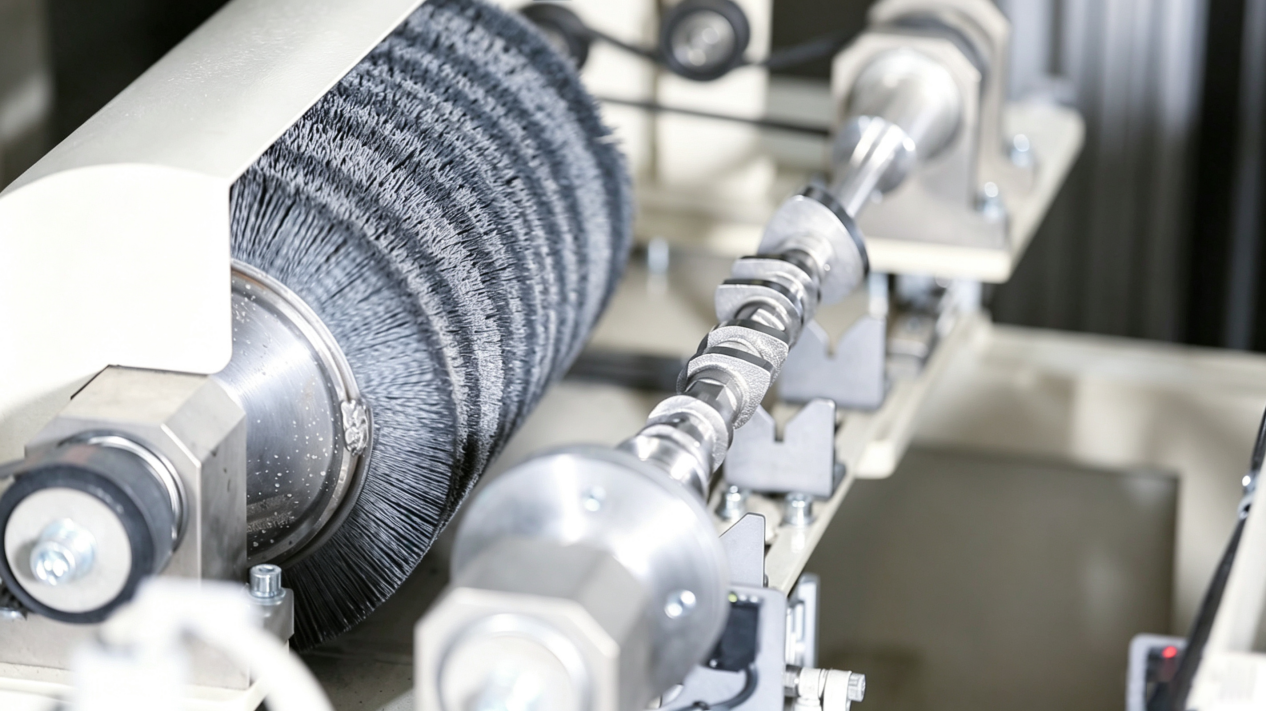
Implementing High-Efficiency Automated Cleaning Technologies
The era of manual, labor-intensive cleaning is rapidly giving way to sophisticated, automated cleaning environments. Modern production lines utilize high-pressure spray systems, advanced ultrasonic cleaning, and multi-stage immersion cycles to achieve a level of cleanliness that manual wiping can never replicate. The transition to automation brings the necessity of precise process control. Automation allows for the repeatability of cleaning parameters—such as spray pressure, flow volume, and chemical concentration—ensuring that every single workpiece receives identical, high-quality treatment. This uniformity is essential for industries like automotive manufacturing and precision engineering, where even minor variations in surface cleanliness can lead to unacceptable failure rates during subsequent inspection phases. By investing in automated equipment that monitors its own performance in real-time, manufacturing facilities can move toward a "zero-defect" culture, where surface quality is guaranteed rather than just hoped for.
Optimizing Cleaning Chemistry and Bath Management
Choosing the right cleaning chemistry is just as crucial as the machine that applies it. The chemical formulation must be perfectly matched to the substrate material—such as aluminum, steel, or specialty alloys—to avoid etching, pitting, or surface degradation. Furthermore, chemical stability under heavy loads is a primary concern. Practical experience in high-volume facilities proves that effective bath management is the single most important factor in keeping costs down while maintaining quality. When bath chemistry is poorly maintained, it leads to oil buildup, loss of surfactant effectiveness, and increased detergent consumption. Conversely, facilities that employ automated dosing and consistent filtration systems achieve significantly longer fluid life and more stable operating environments. This level of technical oversight is essential to avoid the common, expensive mistake of frequent tank dumping, which unnecessarily inflates utility bills and increases hazardous waste management costs for the factory.
Integration of Vision Inspection for Quality Assurance
The ultimate validation of any effective cleaning process is inspection. Relying on visual checks or simple manual tests is no longer adequate for modern precision parts. Instead, the integration of advanced machine vision systems directly into the production line provides a transparent, data-driven method for verifying cleanliness. These systems can detect sub-millimeter particulate matter, residual oil patterns, and surface defects that remain hidden from the naked eye. By setting a digital standard for what constitutes a "clean" part, manufacturers can eliminate the ambiguity of manual inspection. This automated verification loop ensures that only parts meeting the exact quality specifications move forward to the next stage, significantly reducing the downstream costs associated with warranty claims and rework. It is this marriage of high-performance cleaning and high-precision inspection that truly differentiates a high-functioning manufacturing enterprise.
Partnering for Operational Excellence with Big Bird
Effective industrial cleaning is a complex engineering challenge that requires an integrated approach—one that combines state-of-the-art cleaning machinery, precise chemical solutions, and advanced quality verification tools. Manufacturers facing these challenges need a partner who understands the deep technical nuances of the entire production chain. Big Bird has built a reputation for excellence by delivering comprehensive cleaning systems and intelligent machine vision inspection equipment that allow factories to maintain the highest standards of cleanliness and efficiency. Through a focus on custom engineering and reliable supply chain support, Big Bird empowers manufacturers worldwide to reduce scrap rates, optimize cycle times, and build a competitive advantage rooted in superior product quality. By collaborating with experts like Big Bird, facilities can move beyond simple maintenance and turn their cleaning processes into a sustainable engine for long-term growth and operational success.