EN
EN



News
How to Choose the Right Deburring Method?
Selecting the optimal deburring method is a challenge that many manufacturing engineers face when balancing cost, quality, and production speed. In the world of high-precision machining, the "correct" method is never a one-size-fits-all solution; it depends on a complex interplay of material hardness, part geometry, and the required surface finish specifications. Choosing a suboptimal method can lead to excessive cycle times, inconsistent quality, or, in the worst cases, damage to high-value components. Drawing from extensive experience in precision engineering, it has become evident that successful deburring starts long before the machine is turned on—it begins with understanding the specific nuances of the workpiece. Manufacturers who invest time in evaluating the right process early on consistently outperform those who rely on outdated or generic manual methods.
Navigating Material Properties and Part Geometry Constraints
The primary factor in choosing a deburring method is the intrinsic nature of the material itself. A method that works perfectly for soft aluminum, such as simple brush deburring, would be entirely ineffective or even damaging to hardened stainless steel or titanium alloys. Expertise in this area requires a deep understanding of metallurgy. Harder materials often demand aggressive abrasive methods or high-pressure water jet systems to achieve a clean edge without surface scarring. Conversely, geometry plays an equally vital role. For internal channels, cross-drilled holes, or complex hydraulic manifolds, manual access is often impossible. Here, flow-based solutions like electrochemical deburring or high-pressure water cleaning become the gold standard. Ignoring the relationship between material toughness and geometric complexity is the fastest path to production bottlenecks.
Comparing Modern Deburring Technologies and Their Best Applications
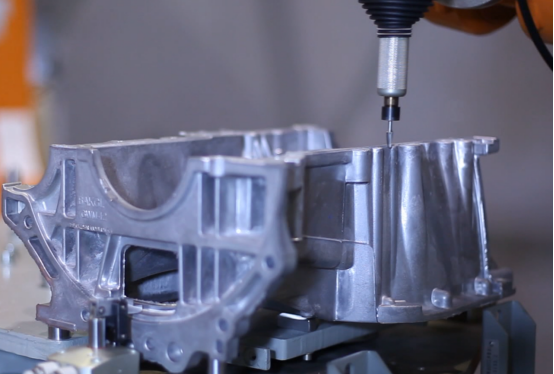
The landscape of deburring technologies is vast, ranging from traditional manual scraping to advanced robotic integration. Manual deburring, while low in upfront cost, is notoriously inconsistent and prone to human error, making it unsuitable for high-volume, precision-critical production. On the other end of the spectrum, CNC-integrated deburring and robotic automation provide unprecedented repeatability. High-pressure water jet deburring is increasingly favored for its ability to clear internal passages without mechanical contact, preserving delicate surface textures. Thermal energy deburring, while highly efficient for specific types of burrs, requires careful process control to avoid altering the metallurgical properties of the base metal. Each technology carries its own set of trade-offs regarding energy consumption, consumable costs, and maintenance. Identifying the right fit requires a rigorous analysis of the production volume versus the precision threshold of the end-product.
The Strategic Shift Toward Automated and Integrated Finishing
Manufacturing excellence in the modern era is defined by the integration of finishing processes directly into the production line. Big Bird has observed that the most successful facilities are those that move away from standalone, offline finishing stations. Instead, they favor automated cleaning and deburring centers that provide real-time quality control. Robotic loaders and multi-axis cleaning modules allow for a seamless transition from machining to finishing, effectively eliminating the risk of damage during component transfer. This integrated approach does more than just enhance speed; it provides a level of data-driven process control that manual methods simply cannot match. By automating these tasks, companies remove the subjectivity of human inspection, ensuring that every single component—from the first in a batch to the last—meets the same rigorous standard.
Maximizing Business Value Through Process Optimization
While the technical effectiveness of a deburring method is paramount, the business case is equally important. Choosing the right method is fundamentally about maximizing the Return on Investment (ROI) across the entire product lifecycle. Excessive finishing costs can erode the profit margins of even the most efficient CNC production line. Furthermore, high scrap rates caused by poor deburring processes represent a significant waste of material, energy, and man-hours. By selecting a durable, reliable, and automated solution, companies can drastically lower their cost-per-part while simultaneously improving customer satisfaction through superior quality. Efficiency in finishing is a competitive differentiator in global markets, where reliability and consistency are the benchmarks by which long-term partnerships are forged.
Big Bird and the Future of Precision Deburring
Achieving the perfect balance between efficiency, safety, and precision is the ultimate goal of any manufacturing operation. Big Bird is committed to this vision, providing advanced equipment and supply chain support that simplifies the complex task of surface finishing. With a deep understanding of how to pair specific machining needs with the right automated solutions, Big Bird serves as a trusted partner for companies looking to optimize their production workflows. Whether dealing with challenging geometries or demanding material requirements, the focus remains on delivering technologies that ensure operational success and long-term value. By partnering with experts who prioritize technical excellence and reliability, manufacturers can navigate the complexities of modern machining with confidence, knowing their finishing processes are optimized for the future.