EN
EN



News
Why Is Parts Cleaning Essential for Automotive Assembly?
Avoiding Assembly Contamination and Failures
Even tiny contaminants like dust, metal shavings, and oil residues on automotive parts can create massive problems during assembly. Dirty parts can become contaminated when they are put together and become trapped in critical moving parts, such as bearings and gears. This can lead to damaging friction, premature component wear and, potentially, catastrophic failure. For instance, an engine valve with a metal chip could gouge the valve seat, leading to oil leaks and poorly oiled valved engines. This emphasizes the importance of keeping parts clean, ensuring that every component works as designed from the beginning.
Ensuring Strong and Reliable Bonds
Automotive assembly depends on bonds to hold parts together, whether they’re welding, gluing, or soldering. Bonds fail to properly form when part surfaces become contaminated. For instance, a layer of grease on two metal sheets will result in a weak, breakable weld. Exceptionally Clean parts will allow adhesives and welding materials to stick, forming a stable bond that can withstand the everyday vibrations, external pressure, and temperature fluctuations car encounters. This reliability is essential in ensuring the car is safe to use on the road.
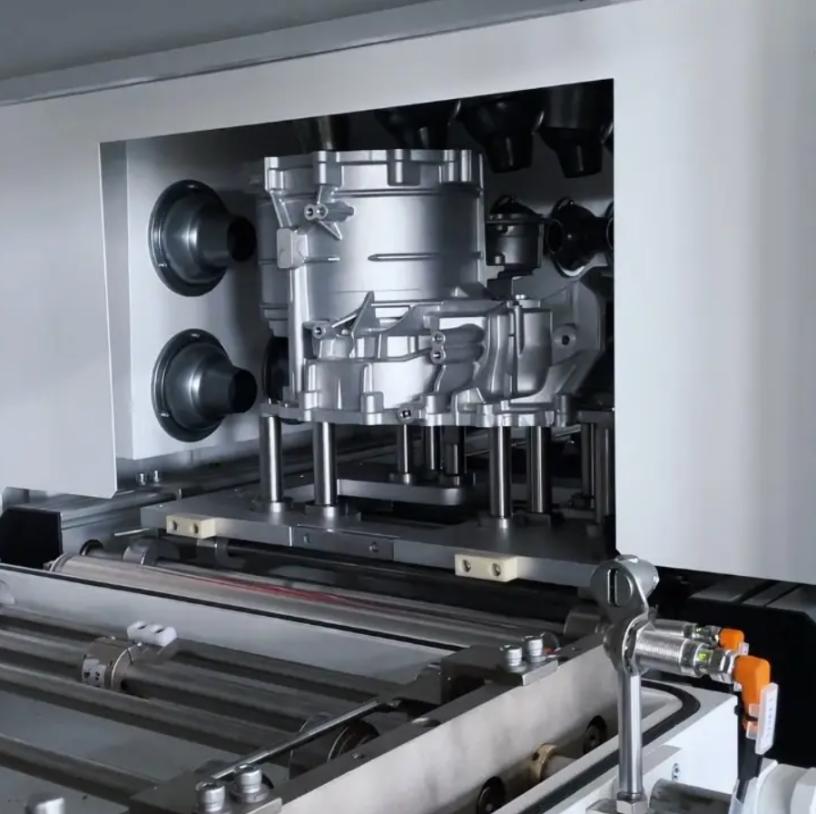
Meeting Strict Quality and Regulatory Standards
Automotive manufacturers must uphold quality and safety standards across the entire industry. Parts that have not been cleaned run the risk causing a car to fail these standards. For instance, a fuel system component that still has residue will risk violating mandated emissions standards. Clean parts will make sure that every car has its required safety and performance standards, thus protecting the reputation of the manufacturers and saving them the costs of recalls and fines. In addition, most parts of the world have their own particular standards, thus, consistent parts cleaning will allow automakers to sell their parts across the globe.
Improving Long Term Vehicle Durability
The lifespan of a vehicle is dependent, in part, on how clean the components are at the time of final assembly, as vehicle longevity is also a function of how clean the components are pre-assembly. In the vehicle assembly process, if metal parts, especially the ones that are prone to rust and exposed to moisture, are not cleaned well, they develop rust stains that can lead to premature rusting and replacement. Increased rusting and replacement of brake assemblies can increase costs and cause customer dissatisfaction. Minimizing the buildup of debris and rust on the exposed parts that are assembled during the vehicle assembly process reduces the maintenance costs.
Enhancing Efficiency in Assembly Processes
Dirty parts on an assembly line can cause workflow disruptions. For instance, if an assembled part is too dirty to connect to the other components of the vehicle, the assembly line will be put on hold as the dirty part will need to be cleaned manually, disrupting the workflow of the entire vehicle assembly line. Further, if the parts added to the vehicle assembly line are too contaminated, they will need to be thrown away. Giving a part too much time in the assembly process will need to be thrown away. To avoid waste of time, parts need to be cleaned well before assembly. Reducing waste empowers the ability to meet production targets.