EN
EN



News
Benefits of Automated Deburring Systems
The Strategic Advantages of Automated Deburring Systems in Modern Manufacturing
In the demanding world of precision engineering, the removal of burrs—those microscopic metal remnants left behind after machining, milling, or stamping—is often the difference between a high-performance component and a catastrophic assembly failure. For decades, deburring was relegated to the realm of manual labor, relying on the steady hands and experienced eyes of skilled technicians. However, as global manufacturing standards push toward micron-level tolerances and near-zero defect rates, the reliance on manual processes has become a significant bottleneck. Today, automated deburring systems have emerged as the definitive solution for facilities aiming to harmonize high throughput with uncompromising quality. Based on years of observation across high-end industrial sectors, it is clear that the most successful enterprises are those that treat deburring as a fully integrated, automated stage of production rather than a final, isolated hurdle to overcome.
Transcending the Inconsistency of Manual Deburring Methods
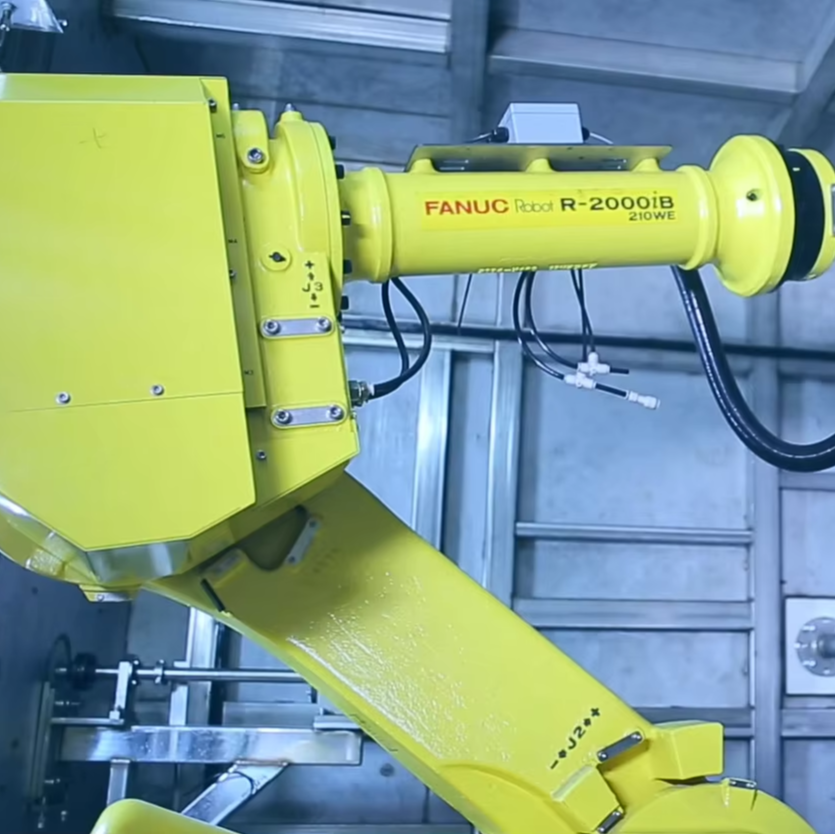
Manual deburring is fundamentally limited by the inescapable reality of human variability. Even the most skilled operator cannot achieve the exact same pressure, angle, and duration of material removal on every single component throughout an eight-hour shift. This lack of uniformity is a hidden danger in high-stakes industries like automotive braking systems, aerospace propulsion, or medical-grade hardware. When components are finished manually, the microscopic variations in edge finish can lead to stress concentration points, compromising the structural integrity of the part. Automated deburring systems, by contrast, utilize robotic precision to replicate the exact same cycle, force, and trajectory every single time. This consistency transforms the manufacturing process from a variable-dependent chore into a predictable, high-precision science. By removing the element of human fatigue, manufacturers ensure that every part leaving the production line is a perfect clone of the master design.
Optimizing Downstream Reliability Through Superior Edge Control
The impact of an automated deburring system extends far beyond the deburring station itself; it is a vital catalyst for the entire manufacturing workflow. When edges are deburred with mathematical precision, downstream processes like coating, painting, sealing, or complex sub-assembly become significantly more reliable. Inaccurate or incomplete manual deburring often leaves jagged edges or metal fines that prevent proper gaskets seals or interfere with precision coatings, leading to costly failures in the field. Automated systems excel at reaching deep, complex internal geometries and blind channels that are often physically inaccessible to a human operator. By ensuring that every edge is clean, uniform, and geometrically correct, automated deburring acts as a quality insurance policy. This level of meticulous preparation prevents the "rework loops" that frequently plague modern production floors, allowing components to move through the assembly line with unprecedented speed and confidence.
Quantifying the Commercial Value of Operational Scalability
Transitioning to automated deburring is more than a technical upgrade—it is a strategic commercial decision that redefines the cost-structure of the business. While the initial capital expenditure for a robotic deburring cell may seem significant, the return on investment is realized rapidly through several avenues. First and foremost, the total reduction in scrap rates and rework labor is substantial. In environments where high-value alloys are used, a single mishandled part due to an aggressive manual deburring error can cost thousands in lost material and processing time. Automated systems essentially eliminate this risk. Furthermore, the operational scalability provided by these systems allows manufacturers to meet spikes in demand without the massive overhead of hiring and training additional manual labor. The ability to maintain a consistent output quality regardless of volume is a powerful competitive advantage that allows companies to secure larger, more prestigious contracts with global clients who demand unwavering reliability.
Leveraging Advanced Integration to Redefine Manufacturing Standards
The true future of surface finishing lies in the integration of automated, closed-loop systems that unify cleaning, handling, and quality verification into a single, cohesive cell. Big Bird has observed that the most resilient and efficient manufacturing facilities are those that move toward fully enclosed, robotic-driven production cells. These advanced cells are designed to eliminate the variables associated with human touch, utilizing high-precision feedback loops that verify the deburring process in real-time. By integrating automated cleaning and material handling modules, these cells operate with "lights-out" consistency, pushing the boundaries of what is possible in modern manufacturing. This technical sophistication allows for the monitoring of quality trends, enabling facilities to make predictive adjustments before any non-compliance occurs. The integration of high-performance deburring technologies within these automated cells ensures that components are ready for immediate, high-fidelity assembly, effectively raising the productivity of the entire manufacturing ecosystem.
Big Bird as Your Partner in Manufacturing Excellence
Achieving the pinnacle of quality compliance requires a seamless, expertly designed combination of advanced surface engineering, precision-engineered hardware, and deep, years-honed industry expertise. Big Bird stands at the absolute forefront of this technological shift, providing the highly reliable equipment and comprehensive, end-to-end support that industrial partners need to succeed in the demanding, modern manufacturing era. By integrating advanced deburring and cleaning technology directly into the core production workflow, Big Bird ensures that industrial enterprises can consistently achieve perfect surface purity, maximize operational efficiency, and maintain the highest standards of safety and compliance. Partnering with a specialist who truly understands the complex, subtle nuances of surface finishing and robotic integration is the single most important, strategic step toward maintaining an unshakable, high-level competitive advantage in today's rapidly evolving global marketplace.