EN
EN


News
Top Uses of Cleaning Machine in Manufacturing
Precision cleaning in Automotive
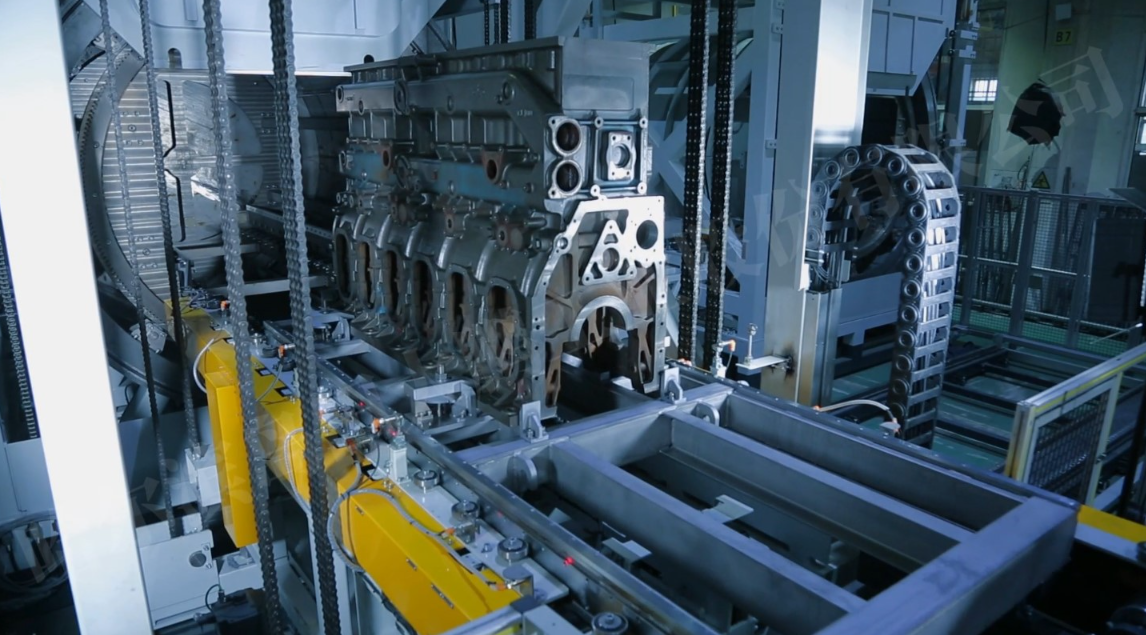
In the manufacturing of automobiles and crucial automotive parts, cleaning machines are of significant use. Automotive parts, like cylinder heads and transmission housings, contain many complex internal features. Such structures may sometimes trap machining residues, oil, and metal particles. Advanced cleaning machines use robotic guided technologies and high pressure jets, which ensure the removal of the contaminants that are in hard to reach areas, while also maintaining the integrity of the delicate surfaces.
Automotive parts are made to meet customer's expectations, and in order to achieve this, cleaning machines have to be used. For example, in the manufacturing of diesel engines, when cylinder heads are cleaned, the friction between the two parts of the head is reduced. High performance engines can also be subjected to mechanical and leak failures, which are caused by the use of microscopic debris, and in order to avoid this, major automobile manufacturers have to use cleaning machines.
Adhering to the Global Industry Cleanliness Standards
Virtually every manufacturing sector has their own strict regulations, and their use of cleaning machines has to be designed to meet these regulations. Cleaning machines provide consistent results that are verified, while the results of manual cleaning, though more heterogeneous, are less guaranteed.
These machines come with built in quality control features that create a record for compliance besides documenting each cleaning cycle. For manufacturers cleaning machines are vital because they are exporting products to Europe, Asia, and North America and need to meet the compliance requirements for each of those areas.
Increased Efficiency and Lower Costs
Automated cleaning machines streamline manufacturing processes by reducing labor time and errors. These systems, unlike manual cleaning which is labor heavy and inconsistent, take minimal supervision and can run for hours cleaning hundreds of parts. Best of all, they offer a consistent level of cleaning.
Operational data over a period of time reveals positive and significant cost savings to an organization. The machines are designed for longevity, which means less maintenance costs. Manufacturers are also able to lower scrap rates and save from costly reworks by avoiding the damage that can be caused by improper cleaning. For medium to large scale production facilities, these efficiency gains translate to faster time to market and higher profit margins.
The Process of Quality Inspection cuts costs and improves efficiency in production
The thorough inspection of the parts must involve cleaning that ensures parts are free of debris and ready for inspection. Parts that have debris or dirt are prone to errors or faulty checks that inevitably cost the manufacturer in the long run.
New cleaning technology can now be integrated with inspection technology to flag and clean to the micron. This can be helpful to manufacturers to ensure defects are screened out during the inspection to ensure the only qualified parts are sent on to the next assembly step. This technology ensures contaminated defects are not screened out, and improves the assembly done in the next phase, and the overall satisfaction of qualified assemblies sent to customers.
Offered Customized Solutions for Changing Needs
Cleaning machine manufacturers have the flexibility to adapt their designs in almost all manufacturing methods. Wire mesh belts, spray washers, and manually adjustable stampers can adapt to almost any size and any amount of cleaning requirements. All systems have specialized nozzles, cleaning agents, and adjustable cycle times to suit their needs, whether it be a small electronic component or a large engine block.
Custom cleaning machines are especially beneficial when a manufacturer runs several product lines. For instance, one machine can be set to clean aluminum alloy parts and, by merely altering the pressure and changing the detergent, can switch to clean steel components. This capability means that a manufacturer will not have to invest in multiple specialty systems, and will save space on the factory floor. This flexibility means that cleaning machines can be effectively utilized in a variety of manufacturing settings.