EN
EN



МЭДЭЭЛЭЛ
Металл хэсгүүдийн цацрагт хөндлөн орших хүртэлхүүдийг яагаад арилгах шаардлагатай?
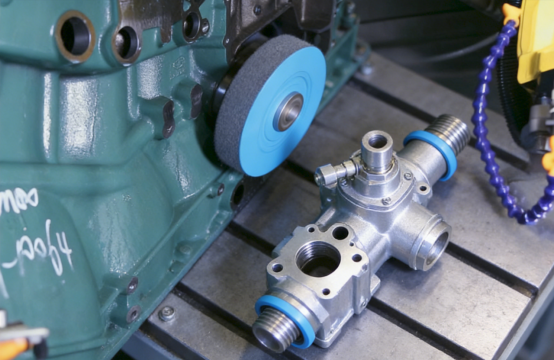
Товчтой үйлдвэрлэл бол үүргийн амжилт, бүтэн алдааны ялгааг хэдхэн микронд хэмжихэд тохиромжтой хатуу дутагдалтай тоглоом юм. Нөхөн боловсруулах, өндөр хурдны мөргөлдөх, хүнд зориулалтын зуух гэх мэт цогц металлын бүрэлдэхүүн хэсгийг ямар нэгэн хэлбэрээр боловсруулж байх үед процесс нь үргэлж жижигхэн, хүсээгүй хатуу хязгаар, металлын талх, эсвэл "буур" гэж нэрлэгддэг Үйлдвэрлэлийн салбарт шинээр орж ирсэн олон хүн эдгээр жижиг, микроскопийн дутагдалтай байдлыг хөнгөн харагдах гоо сайхны асуудал гэж буруугаар үзэж болох юм. Гэхдээ орчин үеийн үйлдвэрлэлийн өндөр эрсдэлтэй ертөнцөд мэргэжлийн бутлуурыг цэвэрлэх зайлшгүй шаардлагатай гэдгийг үл тоомсорлох нь маш чухал, үнэтэй хяналт тавих явдал юм. Олон жилийн турш үйлдвэрлэлийн салбарт шууд ажиглалт хийж, эдгээр микроскопийн эд өлгийн зүйлс нь системд нөлөөлөх аюултай хүчин зүйл болдог нь тодорхой. Тэд зөвхөн гадаргуу, гоо сайхны алдаа биш, харин хамгийн бат бөх системүүдийн бүтцийн бүтцийг гүнзгийрүүлэх үйл ажиллагааны нууц аюул юм. Товчхон цэвэрлэх хэрэгцээг ойлгох нь өнөөгийн эрэлт хэрэгцээтэй дэлхийн нийлүүлэлтийн зангилааны шаардлагад нийцсэн шилдэг түвшинг хангахын тулд чухал эхний алхам юм.
Холбогдмуйн гладкий явц ба механик үйл ажиллагааны бүтэн бүрдэлтийг хангах
Мэргэжлийн бутлуурын хамгийн гол, маргаангүй техникийн үндэслэл нь төгс хувилбар, нарийвчлалтай, удаан хугацаагаар ажиллах зах зээлийн эрэлт хэрэгцээг хангасан байдаг. Товчтой эд анги нь инженерүүдээс хүссэн тодорхой хэмжээгээр нийцэхгүй бол механикийн систем бүр хохирч эхэлдэг. Микроскопийн хатуу хяналттай цогцолборт нь хатуу тэвчээртэй цогцолборт ажээ. Анх бүрдүүлэх үе шатаас гадна эдгээр хатуу хязгаар нь системийн дотроо чухал шилжилтийн динамик болон мэдрэмтгий механик харилцан үйлчлэлэд саад учруулдаг. Өндөр даралтын гидравлик хөдөлгөөнт хөдөлгөөнт системүүд буюу авианы түлшний түлшний түлшний түлшний нэгжүүд зэрэг цогцолбор шилжилт хөдөлгөөнт системд нэг л үлдсэн, илрээгүй буудлага нь хүчтэй турбуленц эсвэл до Энэ нь дотооддоо ихээхэн халдвар, даралтын давхаргын тогтворгүй байдал, эцэст нь систем мөд унах шалтгаан болдог. Аж үйлдвэрийн эрх баригчид болон томоохон дизайнерүүд нь батлагдсан, хатуу хатуужуулалтын дутагдалтай эд ангиуд орчин үеийн чанар стандартын шаардлагад нийцэхгүй гэдгийг байнга онцолдог. Тиймээс нэг хэвтэй, нягт гадаргууны төгсгөлд хүрэх нь зөвхөн гоо сайхны илтгэл биш, энэ нь хүчтэй ажиллуулах ачаалалтай үед хэсгээс яг тодорхойлсон байдлаар ажиллахыг баталгаажуулдаг үүрэг гүйцэтгэх үйл ажиллагааны шаардлагын нэг юм.
Аюулгүй байдлын рискуудыг багасгах ба хэсэгтүүдийн урьдчилан дуусахаас саатуулах
Орчин үеийн аж үйлдвэрийн орчинд аюулгүй байдал нь хэлэлцэхүйц бөгөөд цэвэрлэгээгүй, хатуу жижигхэн хажууд нь байнга, маш ихээр зайлсхийж болох аюултай. Урд талын, хатуу металлын хажууд нь мэргэжлийн монтаж техникийн ажилтан болон эцсийн хэрэглэгчдийн аюулгүй байдалд шууд, тодорхой аюул учруулж, ихэвчлэн гар аргаар хандах эсвэл талбайд засвар хийх үед өвдөлттэй хажууд, гүнзгий ялгарал, эсвэл ноцтой хажу Үүнээс гадна эрсдэл нь гадаргуугаас хол хамааралтай. Машин, хурдны шидэлтийн хайрцаг, эсвэл нарийн тоног төхөөрөмж ашиглах үед эвдэрдэг буудлууд нь бүтэн системийг хурдан хордуулж, эргэлтэд ордог бохирдол болж болно. Энэ металлын материал нь механизмыг дамжин хөдөлж, хялбар, өндөр нарийвчлалтай холбогдох гадаргуудад хурдацтай, хатуу хувцаслалт үүсгэдэг. Энэ үйл явц нь шууд хэсгийн мөчөөс өмнө бүтэлгүйтэх, бүхэл бүтэн машины ашиглах хугацааг ихээхэн богино болгодог. Тодорхой, стандартын дагуух өндөр нарийвчлалтай бутлуурын процессыг нэгтгэн үйлдвэрлэгчид нь багаж хэрэгслийнхээ урт хугацааны найдвартай байдал, эрүүл мэндэд хөрөнгө оруулалт хийж, багаж хэрэгслийг талбайд ашиглах үед оношлох нь их хэцүү, үнэтэй болдог гамшгийн, урьдчилан таамагла
Тогтвортой чанарын дагуу үйл ажиллагааны давуу талыг хөгжүүлэх
Өнөдөр үеийн хэт төвөгтэй үйлдвэрлэлийн орчинд тогтвортой чанар нь үнэнхүү зах зээлд удирдагч бүрдүүлэх үндсэн, тодорхой ялгаатай шинж юм. Микроскопик буррсгүй, цэвэр, полированный өндөр чанарын деталь хүртэл хүртүүлэх нь мэдээллийн хүчтүүлэгч хүртүүлэлт үзүүлдэг — професиональ дисциплин, жижиг дэлгэрэнгүй хүртүүлэлт, техникийн надёжность. Харин тогтвортой буррсгүйжүүлэлт нь үйлдвэрлэлийн урсгалын дагуу хяналт үл хадгалагдаж буй гүнзгий шинжийг илтгэдэг, үүнээс үүдэн худалдан авагчдын итгэл хүртүүлэлт нь хурдан сүйднүүрдэг, араваас илүү хүртүүлэлт нь нийлүүлэгчдийн чанарын менеджмент системд гүнзгий шинжилгээ хийх шаардлагыг үүсгэдэг. Өндөр технологийн, өгөгдлүүд дагуу удаан, автоматжуулсан буррсгүйжүүлэлтийн протоколуудыг хүлээн авагчид үйлдвэрлэлийн хүртүүлэлт нь их бөлгөн, хаягдмуйн хувь нь бүхнээс бага, үйлдвэрлэлийн дараах дахин бүтээх ажил нь цаг хөнгөвчлүүрдэг. Энэ шилбүүр нь "хүртүүлэлт хоосон бол цэвэрлэ" гэсэн урьдчилан санамсаргүй хандлагаас, урьдчилан санамсаргүй, интеграцилан хүртүүлэлт рүү шилбүүр нь шууд ашигт нөлөөлдэг. Түүнээс үүдэн үйлдвэрлэгчид глобал худалдан авагчдын тогтвортой чанарын хүртүүлэлт, онцгой автотранспорт, медицин, агаарын транспорт салбаруудын хүртүүлэлт нь урт хугацааны хамтран ажиллах ганц шаардлага гэж тооцож буй.
Орчин үеийн нарийн бүтээлд хамгийн үр дүнтэй шийдэл
Гар ажилд суурилдсан бүртгэл системээс өндөр түвшний автомата системүүд рүү шилжих нь орчин үеийн үйлдвэрлэлийн үйлдвэрт хүртэлх үнэнхүү хүрэлцэт үе шат. Тодорхой зориулалттай роботын хөврүүлэлт, өндөр нарийн түвшний даралтанд урсгагч шингэн ажиллагаа, ЦНК-т интеграцилан холбогдсон цахилгаан-химийн гадаргуугийн бүтээл — бүх эдгээр дөрвөлжин технологиуд нь хүний хүч ажиллагаагаар физик хувьд хүртэлх боломжгүй, бүртгэлд хамаарах, хурд, үр дүнтэй бүтээмжийн шинэ түвшнийг санал болгож буй. Биг Бёрд компани «Бүтээмжийн бүх процессыг нь интеграцилан холбогдсон технологиудыг хүлээн авах» гэдэг нь хамгийн төвөгтэй, амжилттай нийлүүлэлтийн газрын гол онцлог гэдгийг ажиглаж буй. Өндөр нарийн түвшний цэвэрлэлттүүдийн хамт автоматжуулж, баталж бүтээмжийн бүх процессыг нь холбогдсон системүүдийг ашиглан үйлдвэрлэлийн газрууд нь хүний алдааны аюулгүйгээр бүх деталд нь нууц, аюултай дутагдалд нь илрүүлж, ариутгаж чадуй. Техник хувьд ийнхүү өндөр түвшний бүтээмжийн шинж нь орчин үеийн үйлдвэрлэлийн гайхамшгийн шинж тэмдэг, компанийн үйл ажиллагааг масштаблахын хамт дэлхийн чанарын стандартын тавьж буй тавилангаа үргэлжлүүлж өргөтгөж чадуй. Ийнхүү арга барил сонгох нь нарийн түвшний, найдвартай, урт хугацааны бүтээмжийн баталгаа.
Том шувууны үйлдвэрлэлийн дадлагыг хөдөлмөрлүүлэх төлөөлөл
Тодорхойлолтын үүрд хүртэл хүрэх нь зөвхөн гайхалтай инженерийн техник хангамжийг шаардаж үлдэхгүй, мөн үйлдвэрлэлийн цэвэрлэх, гадаргууг төлөөлүүлэх ба нийт үйл ажиллагааны үр дүнгийн хоорондын нарийн, чухал хамаарлыг бүрэн ойлгож, урт хугацааны стратегийн хамтран ажиллах хувьсагчид шаардаж. Big Bird нь дэлхийн хүрээдүүр үйлдвэрлэлийн галавт чухал холбоос юм; тэр үйлдвэрлэгчдийн хамгийн хүнд гадаргуугийн бүтэн бүтэлд хүртэлх сорилтуудыг давахад тусламж үзүүлдэг өндөр түвшний төхөөрөмж ба гүнзгий техник мэдлэг үзүүлдэг. Оюун ухааны автоматжуулалт ба бат, урт хугацааны ажиллах системд төвлөрсөн Big Bird нь дэлхийн үйлдвэрлэлийн бүх үйлдвэрлэлийн үйл ажиллагааг глобал үр дүнгийн хүлээлтүүдийг тогтмол давахад хүч үзүүлдэг. Цэвэрлэх ба ирмүүлүүлэх үйлдлийг стандарт үйлдвэрлэлийн ажиллагааны нэгдүүр, чухал үе шат болгож нэгтгэх замаар аюултай гараар хийгдэх үйлдлийн хэрэгцээг бүрэн арилгаж, найдвартай, өндөр үр дүнтэй үйлдвэрлэлийн замыг бүхд нь хадгалж үлдээдэг. Дэлхийн үйлдвэрлэлийн ирээдүй нь үйлдвэрлэлийн бүх үе шатуудыг — түүнд хасагч үе шатуудыг тусгайлан — үйлчлүүлэгчдийн итгэлцүүрт гүнзгий суурь тавих, дэлхийн зах зээлд тааруулшгүй, урт хугацааны үнэ цэнэ үзүүлэх чухал боломж гэж үзэдэг урьдчилан харах удирдлагачидын гарт бүхд нь хүртэлх.